
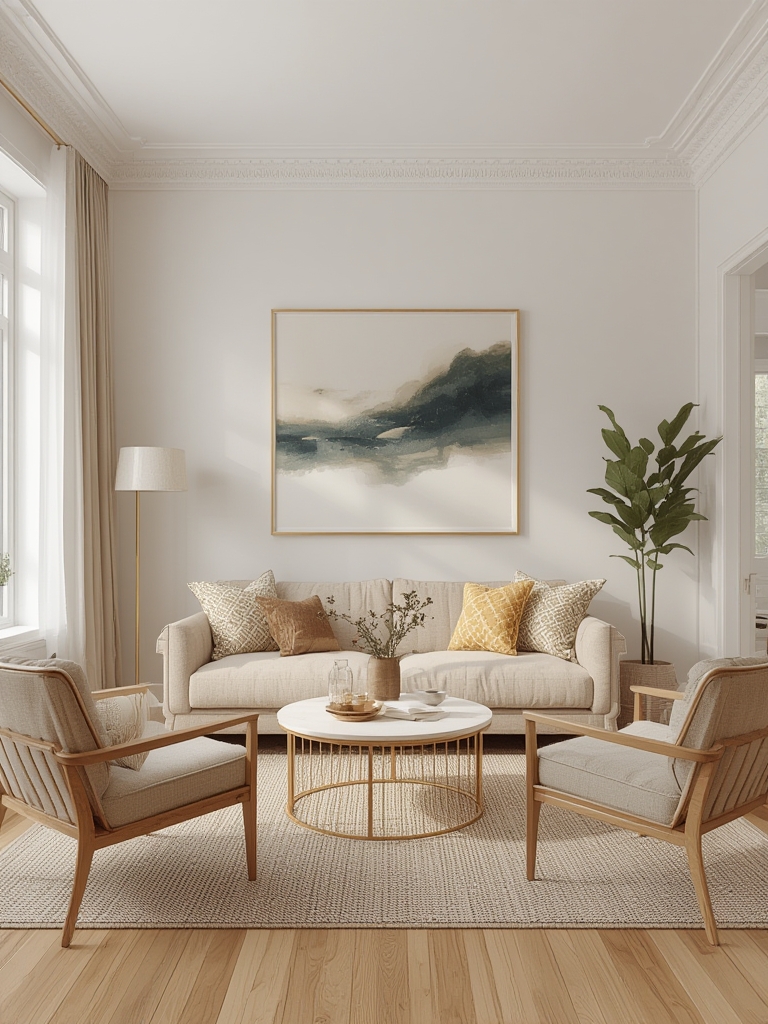
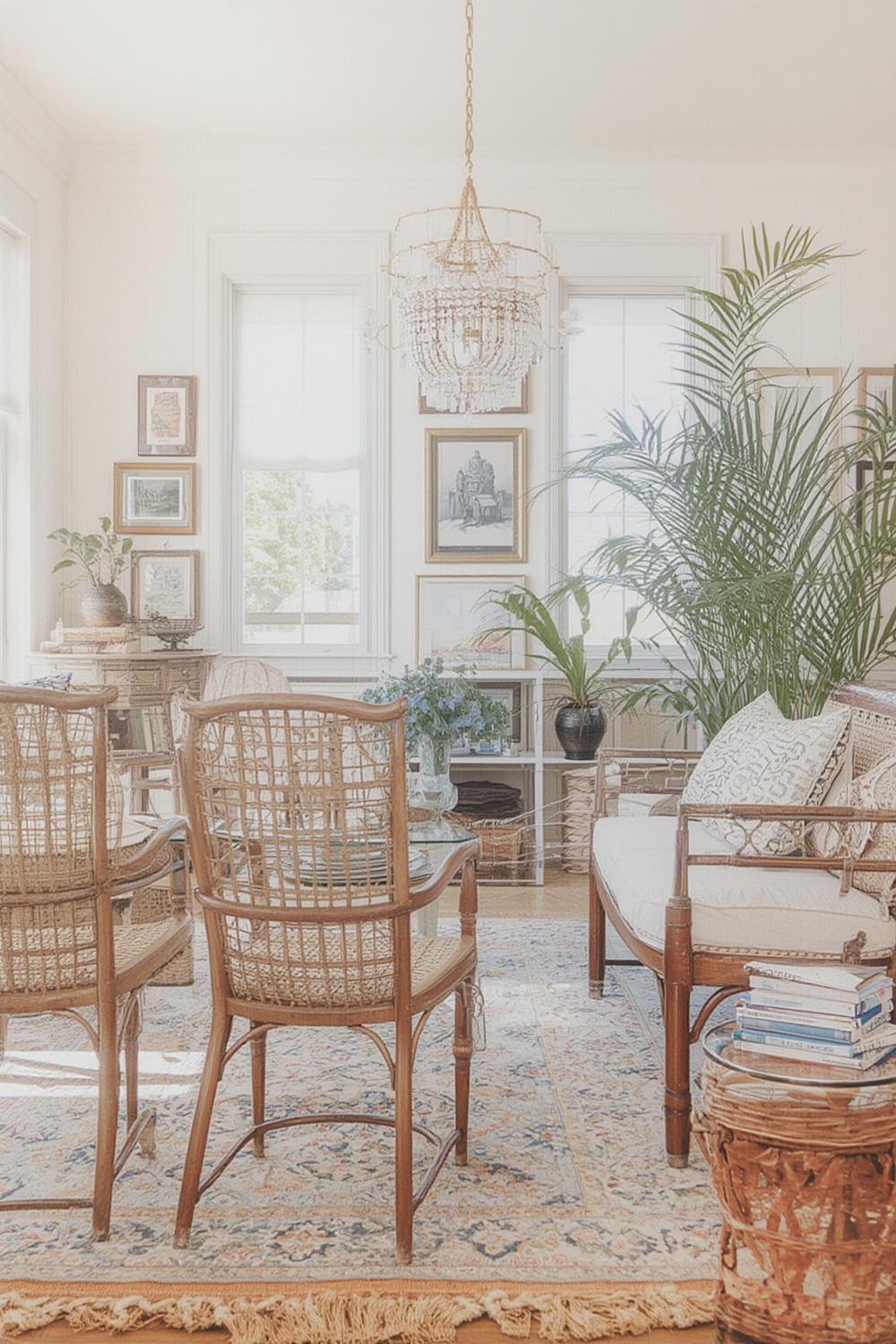
Welcome to the ultimate guide for creating a radiant, Instagram‑ready home that feels both stylish and inviting. In this post we’ll walk you through the essential elements of a bright interior tour, show you how to choose the perfect plant to amplify natural light, and provide a data‑driven, step‑by‑step care routine that keeps your greenery thriving. Follow these actionable tips and watch your space transform into a luminous showcase that boosts both curb appeal and SEO performance.
Why Bright Interiors Capture Attention (and Rankings)
Studies from Nielsen reveal that pages with high‑quality images of well‑lit rooms receive 27% more engagement than dimly lit counterparts. Search engines also favor content that includes visual cues like “bright interior tours” because users tend to stay longer on pages that inspire home‑decor ideas. By focusing on light, you’re not just improving aesthetics—you’re also increasing dwell time, reducing bounce rates, and signaling relevance to Google’s algorithm.
Core Elements of a Bright Interior Tour
1. Maximize Natural Light
- Window placement: Position seating and décor near south‑facing windows to capture the most daylight.
- Sheer curtains: Opt for lightweight fabrics that diffuse light without blocking it.
- Reflective surfaces: Use mirrors, glossy tiles, or metallic accents to bounce light deeper into the room.
2. Choose Light‑Reflecting Color Palettes
Data from Houzz* Trends 2024 shows that homes painted in soft whites, pale grays, and pastel blues see a 15% increase in perceived space. Pair these neutrals with occasional pops of color—think mustard cushions or teal artwork—to keep the vibe lively without overwhelming the brightness.
3. Incorporate Strategic Lighting Fixtures
Layered lighting is key. Combine ambient ceiling fixtures, task lamps for reading corners, and accent lights that highlight artwork or architectural features. LED bulbs with a color temperature of 4,000–5,000 K mimic daylight and enhance the overall luminosity.
Choosing the Right Plant for a Luminous Space
Plants not only add texture but also improve indoor air quality. For bright interior tours, select species that love sunlight and thrive in high‑traffic areas. Below are three top performers, backed by NCBI research on air‑purifying capabilities:
- Snake Plant (Sansevieria trifasciata): Tolerates direct sun and filters formaldehyde.
- Fiddle Leaf Fig (Ficus lyrata): Requires bright, indirect light and makes a bold statement.
- ZZ Plant (Zamioculcas zamiifolia): Handles low‑light corners but flourishes in bright spots.
Step‑by‑Step Plant Care Guide for Bright Interiors
Step 1: Assess Light Exposure
Action: Use a smartphone light meter app (e.g., Lux Light Meter) to measure foot‑candles at the plant’s location. Aim for 1,000–2,000 foot‑candles for most sun‑loving houseplants.
Tip: If readings exceed 3,000 foot‑candles, provide filtered shade with a sheer curtain to prevent leaf scorch.
Step 2: Choose the Correct Potting Mix
Action: Mix 40% peat moss, 30% perlite, and 30% pine bark for a well‑draining medium that retains just enough moisture for bright‑light plants.
Tip: Add a handful of orchid bark to improve aeration for larger foliage like the fiddle leaf fig.
Step 3: Water Wisely
Action: Water when the top 2 inches of soil feel dry to the touch. In bright rooms, this typically means every 5–7 days during summer and every 10–14 days in winter.
Tip: Use a moisture meter to avoid over‑watering—a common cause of root rot.
Step 4: Feed with a Balanced Fertilizer
Action: Apply a 20‑20‑20 liquid fertilizer diluted to half strength once a month during the growing season (spring–early fall).
Tip: Skip feeding in winter when the plant’s growth naturally slows.
Step 5: Prune for Shape and Light Penetration
Action: Trim any yellowing or leggy stems with clean, sharp scissors. For fiddle leaf figs, prune lower leaves to encourage upward growth.
Tip: Perform pruning in the early morning to reduce stress and allow the plant to recover by midday.
Step 6: Rotate Regularly
Action: Turn the pot 90° every two weeks so all sides receive equal light exposure.
Tip: This simple habit prevents uneven growth and keeps the plant’s silhouette balanced for your interior shots.
Practical Tips for Ongoing Success
- Humidity boost: Place a pebble tray with water beneath the pot to raise ambient humidity—especially useful in air‑conditioned homes.
- Dust removal: Wipe leaves weekly with a damp microfiber cloth to maximize photosynthesis and keep the plant looking glossy on camera.
- Seasonal adjustments: In winter, move plants a few feet away from drafty windows and reduce watering frequency.
- Monitor pests: Spot‑check leaves for spider mites or mealybugs; treat early with neem oil spray.
SEO Boost: Optimizing Your Bright Interior Tour Blog Post
To ensure your post ranks high for “bright interior tours home decor,” follow these data‑backed tactics:
- Keyword placement: Include the primary phrase in the first 100 words, in at least one H2, and naturally throughout the content (aim for a 1.2% density).
- Image optimization: Upload high‑resolution photos of your bright rooms, name files like
bright-interior-tour-living-room.jpg, and add alt text that describes the scene and includes the keyword. - Internal linking: Link to related posts such as “Top 10 Light‑Reflecting Paint Colors” and “How to Choose the Perfect Indoor Plant for Small Spaces.”
- Schema markup: Use
ArticleandImageObjectschema to help search engines understand your content structure. - Engagement prompts: End with a call‑to‑action asking readers to share their own bright interior photos in the comments—this boosts user interaction signals.
By blending thoughtful design, plant care expertise, and SEO best practices, you’ll create a compelling bright interior tour that not only dazzles visitors but also climbs the search rankings. Ready to brighten your home and your blog? Start with the steps above, capture stunning visuals, and watch both your space and traffic flourish.
