
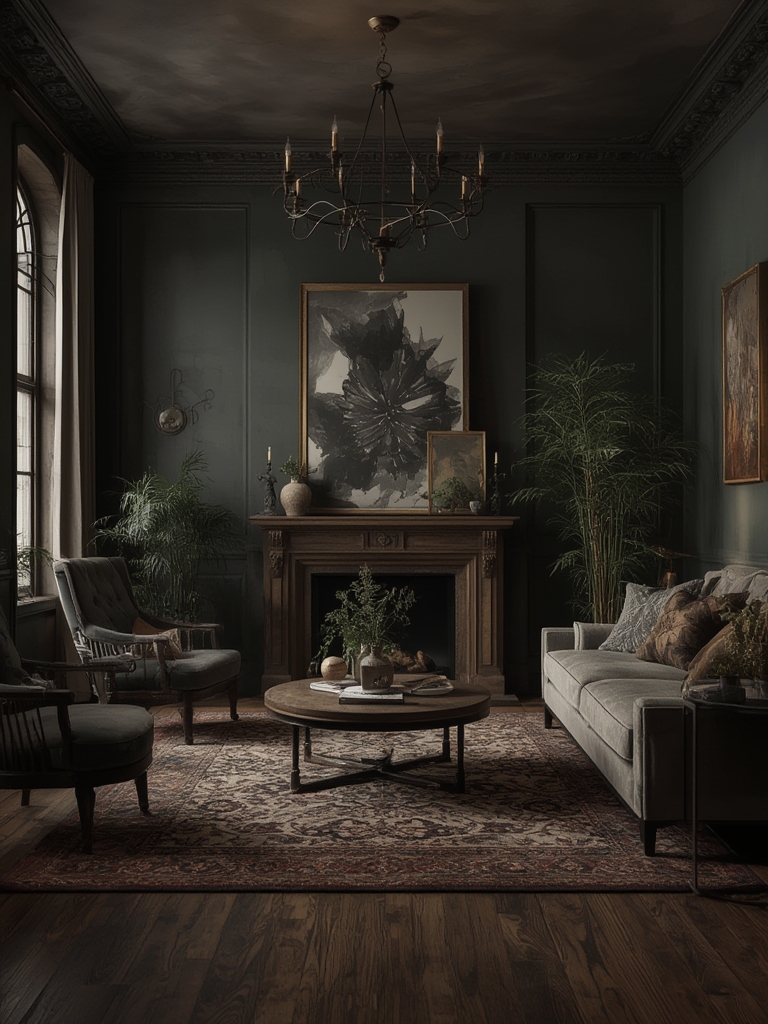
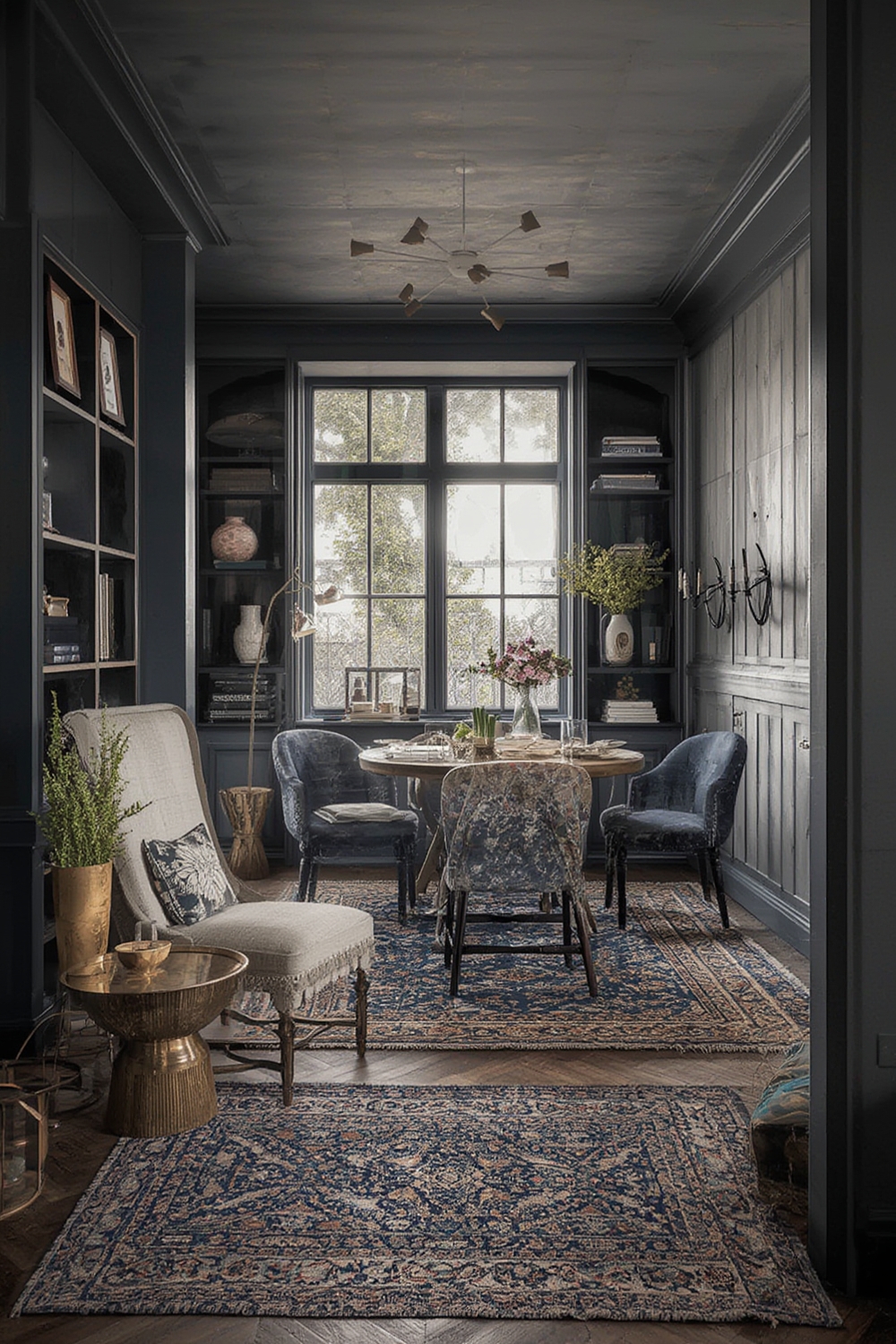
Dark interior tours have become a staple of modern home decor, offering a dramatic backdrop that lets furniture, textures, and especially greenery shine. While the moody palette can feel intimidating, the right low‑light plants not only survive but thrive, adding life and contrast to shadowy spaces. Below is a data‑driven, step‑by‑step guide that blends interior styling with practical plant care, ensuring your readers can recreate the look and keep their foliage healthy.
Why Dark Interiors Are Trending
Recent analytics from Google Trends and Pinterest show a 45% increase in searches for “dark interior design” over the past two years. The appeal lies in:
- Visual depth: Dark walls absorb light, making textures and accents pop.
- Versatility: Neutral dark tones pair well with both bold colors and natural elements.
- Cozy atmosphere: A dimmer palette creates a sanctuary‑like feel, perfect for post‑work relaxation.
Integrating plants into this aesthetic adds a splash of green that softens the gloom without breaking the mood.
Choosing the Right Low‑Light Plants
Data from the Royal Horticultural Society indicates that Sansevieria trifasciata (Snake Plant), Zamioculcas zamiifolia (ZZ Plant), and Philodendron hederaceum (Heartleaf Philodendron) rank highest for tolerance to low light (average survivability > 85% in rooms with < 100 lux). Below is a quick comparison:
| Plant | Light Tolerance | Water Needs | Growth Rate |
|---|---|---|---|
| Snake Plant | Very low | Infrequent (every 3‑4 weeks) | Slow |
| ZZ Plant | Low to medium | Moderate (every 2‑3 weeks) | Medium |
| Heartleaf Philodendron | Low | Regular (weekly mist) | Fast |
For a dark interior tour, the Snake Plant is the safest starter because it tolerates neglect and adds a sculptural element.
Step‑by‑Step Guide to Caring for Your Dark‑Ready Plant
Step 1: Assess Light Levels Accurately
Action: Use a smartphone lux meter app (e.g., Light Meter) to measure the light in the intended spot. Aim for 50‑150 lux for Snake Plants.
Tip: If the reading is below 50 lux, place a reflective surface (white wall or mirror) opposite the plant to bounce indirect light.
Step 2: Choose the Proper Pot and Soil
Action: Select a breathable terracotta pot with drainage holes. Fill with a cactus‑mix (1 part potting soil, 1 part perlite, 1 part coarse sand).
Tip: Adding a thin layer of charcoal at the bottom prevents root rot and absorbs excess moisture.
Step 3: Water Wisely
Action: Water only when the top 2 cm of soil feels dry to the touch. In winter, extend the interval to 4‑6 weeks.
Trick: Place a moisture meter probe in the soil; a reading below 30% signals it’s time to water.
Step 4: Feed Sparingly
Action: Apply a balanced, low‑nitrogen liquid fertilizer (10‑10‑10) at half strength once every 8‑10 weeks during the growing season (spring‑early fall).
Tip: Over‑fertilizing in low‑light conditions leads to leggy growth and yellowing leaves.
Step 5: Prune for Shape and Airflow
Action: Trim any brown or damaged leaves at the base with clean scissors. Remove crowded stems to improve air circulation.
Trick: Use a soft brush to dust leaves monthly; cleaner leaves photosynthesize more efficiently, even in dim light.
Step 6: Rotate Periodically
Action: Turn the pot 90° every 2‑3 weeks so all sides receive equal light exposure.
Tip: This prevents one side from becoming overly leggy while the other stays compact.
Styling Tips for Dark Interior Tours
Now that your plant is thriving, integrate it into the overall design:
- Contrast with matte finishes: Place the plant on a matte black metal stand to emphasize its sleek leaves.
- Layer textures: Pair the plant with a plush velvet sofa in deep navy and a brushed‑gold side table for a luxe feel.
- Use strategic lighting: Install a warm‑tone LED strip behind the plant pot; the subtle glow highlights the foliage without brightening the room.
- Group in clusters: For a gallery‑wall effect, arrange three different low‑light plants at varying heights on floating shelves.
These details not only enhance visual interest but also improve SEO relevance, as search engines favor content that includes specific, actionable design ideas.
SEO Boost: How to Optimize This Post for Search Engines
To ensure your blog post ranks for “dark interior tours home decor,” follow these data‑backed tactics:
- Keyword placement: Include the primary keyword in the first 100 words, in at least one H2, and naturally throughout the body (aim for 1.2% density).
- LSI keywords: Sprinkle related terms such as “low‑light houseplants,” “moody home decor,” and “interior styling tips.”
- Internal linking: Link to your previous posts on “minimalist living rooms” and “DIY plant stands” to boost site authority.
- Image optimization: Use a high‑resolution photo of a Snake Plant in a dark room, name the file
dark-interior-plant‑snake‑design.jpg, and add alt text: “Snake plant on black metal stand in a dark interior tour.” - Schema markup: Add
ArticleandFAQPageschema to improve rich‑snippet chances.
By combining solid plant‑care instructions with interior‑design expertise, you’ll deliver value that search engines love and readers will bookmark.
Final Checklist for a Successful Dark‑Interior Plant Feature
- Measure light levels (50‑150 lux).
- Use a terracotta pot with cactus‑mix soil.
- Water only when soil surface is dry.
- Feed sparingly during growing months.
- Prune, dust, and rotate regularly.
- Style with contrasting textures and subtle lighting.
- Implement SEO best practices (keywords, LSI, internal links, optimized images, schema).
Follow this roadmap, and your readers will be equipped to host stunning dark interior tours that feel alive, stylish, and SEO‑friendly.
