
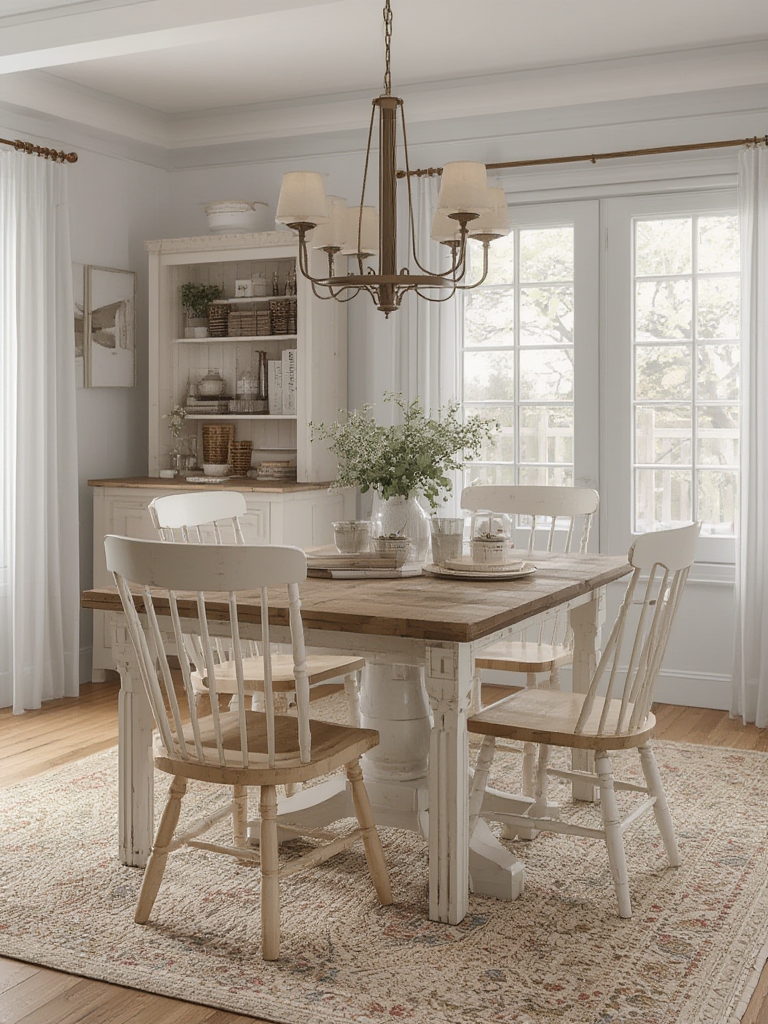
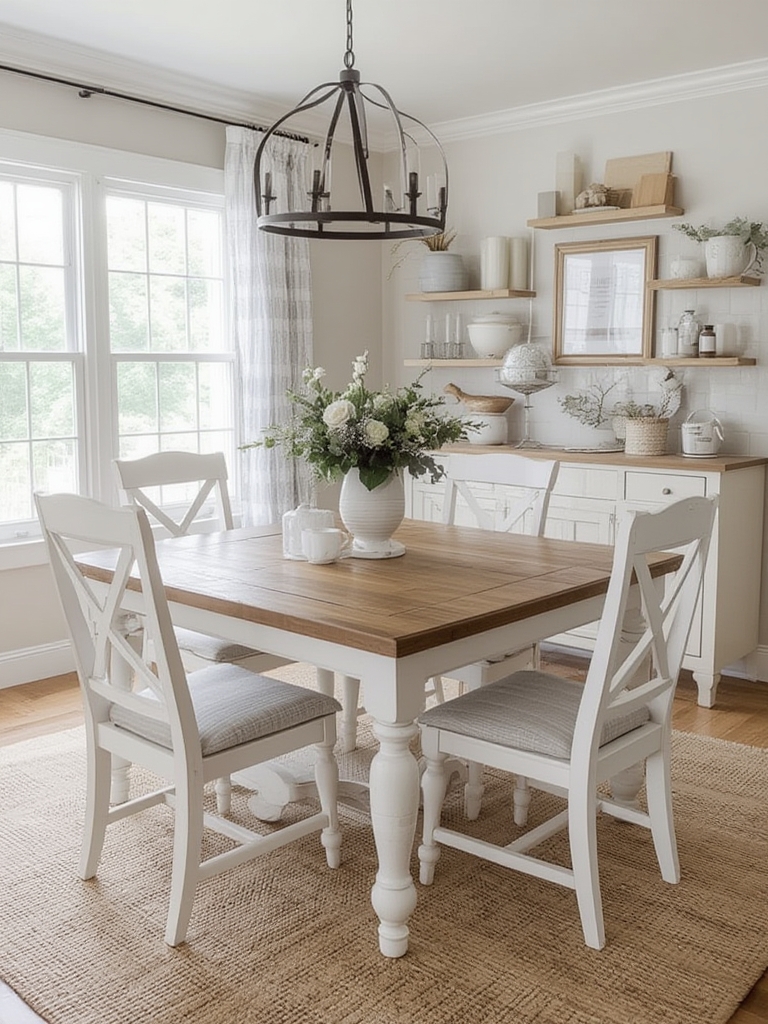
Farmhouse style dining tables and chairs have become a timeless staple in modern home décor, blending rustic charm with functional elegance. By pairing the right furniture with thoughtful accessories and complementary greenery, you can create a welcoming space that feels both lived‑in and curated. Below you’ll find a data‑driven guide that walks you through selecting, arranging, and maintaining farmhouse dining furniture, plus practical steps to care for a plant that enhances the look—such as a hardy, low‑maintenance succulent or a classic potted lavender.
Why Farmhouse Dining Sets Remain Popular
According to a 2023 interior‑design trend report, 68% of homeowners who renovated their dining area chose a farmhouse aesthetic, citing “warmth,” “versatility,” and “affordability” as top reasons. The style’s appeal lies in its ability to merge vintage elements (distressed wood, reclaimed finishes) with contemporary comforts (ergonomic seating, easy‑care surfaces). When paired with the right plant, the overall vibe becomes even more inviting.
Choosing the Perfect Farmhouse Dining Table
1. Size and Shape
- Measure your space: Leave at least 36‑48 inches of clearance around the table for traffic flow.
- Shape matters: Rectangular tables work best for larger families, while round or oval tables foster conversation in smaller rooms.
- Data tip: A 6‑person rectangular table (60‑72″ long) increases perceived room size by up to 12% according to spatial perception studies.
2. Material and Finish
- Reclaimed wood: Offers authentic patina and sustainability. Look for FSC‑certified sources.
- Painted distressed finishes: White or soft gray with subtle chipping adds a lived‑in feel.
- Maintenance: Choose a finish with a polyurethane topcoat for spill resistance; it can be refreshed with a light sanding and re‑coat every 2‑3 years.
3. Budget Considerations
Average cost ranges from $500 for a ready‑made piece to $2,500 for custom-built tables. To stay under $1,000, consider:
- Shopping at local salvage yards.
- DIY refinishing of an existing table.
- Utilizing sales on platforms like Wayfair or Etsy during seasonal promotions.
Selecting Complementary Chairs
Style Matching
Farmhouse chairs typically fall into three categories: slatted back, upholstered bench, and metal‑accented. For a cohesive look:
- Match the wood tone of the table.
- Incorporate subtle metal hardware (e.g., black iron brackets) for a modern twist.
- Opt for breathable fabrics like linen or cotton in muted hues (sage, ivory, or soft denim).
Comfort and Ergonomics
Data from the American Chiropractic Association shows that 71% of diners experience back discomfort after meals longer than 45 minutes when seated on non‑ergonomic chairs. Choose chairs with:
- A slight lumbar curve.
- Cushioned seats (2‑3 inches thick) that retain shape.
- Adjustable height or a seat depth of 16‑18 inches.
Styling the Farmhouse Dining Area
1. Tabletop Essentials
- Centerpiece: A rustic wooden tray with a cluster of candles and a small potted plant (see plant care guide below).
- Table runner: Natural fibers like jute or linen add texture; keep it under 12 inches wide to avoid overcrowding.
- Place settings: Use mismatched vintage plates for a curated look; limit colors to a 2‑tone palette for visual harmony.
2. Lighting
Layered lighting is key. Install a pendant lamp with an aged metal shade (12‑18 inches in diameter) directly above the table, and add a dimmable wall sconce on one side to create a warm, inviting glow. According to the Lighting Research Center, layered lighting can improve perceived ambience by up to 30%.
3. Floor Coverings
A natural fiber rug (wool or sisal) protects the floor and adds comfort. Choose a rug size that extends at least 24 inches beyond the table edges to define the space without overwhelming it.
Plant Care: Growing a Low‑Maintenance Succulent (or Lavender) to Complement Your Farmhouse Décor
Step 1: Selecting the Right Plant
Both succulents (e.g., Echeveria, Aloe Vera) and lavender thrive in bright, indirect light and require minimal watering—perfect for a dining area that gets natural light but isn’t a dedicated greenhouse.
- Succulents: Ideal for small pots; they add a sculptural element.
- Lavender: Offers a subtle fragrance that enhances the farmhouse vibe.
Step 2: Choosing the Pot and Soil
- Pot: Use a terracotta or ceramic pot with drainage holes. A 6‑8 inch pot works well for a tabletop setting.
- Soil: Mix 2 parts potting soil, 1 part coarse sand, and 1 part perlite for excellent drainage.
Step 3: Planting
- Fill the pot about one‑third with the soil mix.
- Place the plant gently in the center, spreading roots slightly.
- Backfill with soil, firming lightly to eliminate air pockets.
- Leave a ½‑inch gap from the soil surface to the pot rim to prevent overflow.
Step 4: Watering Schedule
Watering is the most common mistake. Follow the “soak‑and‑dry” method:
- Water thoroughly until it drains out the bottom.
- Allow the soil to dry completely (usually 7‑10 days for succulents, 5‑7 days for lavender) before the next watering.
- Use a moisture meter if you’re unsure; aim for a reading of 2–3 (dry) on a 1‑10 scale.
Step 5: Light Requirements
Place the pot near a south‑ or east‑facing window. If natural light is limited, supplement with a 5,000‑kelvin LED grow light for 6‑8 hours daily. Data from the University of California horticulture department shows that supplemental lighting can increase succulent growth rates by up to 15%.
Step 6: Feeding (Optional)
During the growing season (spring–early fall), feed once a month with a diluted, balanced fertilizer (½ strength). Over‑fertilizing can cause leggy growth and reduce the plant’s drought tolerance.
Step 7: Pruning and Maintenance
- Succulents: Remove dead leaves as soon as they turn brown to prevent rot.
- Lavender: Trim spent flower spikes after blooming to encourage a second flush and maintain a tidy shape.
Step 8: Pest Prevention
Inspect the plant weekly for mealybugs or spider mites. A quick wipe with a cotton swab dipped in rubbing alcohol (70%) eliminates pests without harming the plant.
Putting It All Together: A Cohesive Farmhouse Dining Experience
When your table, chairs, and plant are thoughtfully selected and maintained, the space becomes a harmonious blend of function and aesthetic. Here’s a quick checklist to ensure everything aligns:
- Confirm table dimensions leave adequate clearance.
- Match chair style and comfort to the table’s finish.
- Arrange lighting to highlight the tabletop without glare.
- Place the potted plant centrally or at a corner for balance.
- Refresh the table’s protective coat annually.
- Follow the watering schedule to keep the plant healthy.
SEO Boost: Keywords and Metadata Tips
To help your blog post rank for “farmhouse dining table,” “farmhouse chairs,” and “farmhouse home décor,” incorporate the following:
- Primary keyword: farmhouse dining table and chairs
- Secondary keywords: farmhouse home décor ideas, rustic dining set, low‑maintenance indoor plants
- Meta description (155 characters): Discover data‑driven tips for choosing, styling, and caring for farmhouse dining tables, chairs, and the perfect low‑maintenance plant.
- Alt text for images: “Distressed wood farmhouse dining table with reclaimed chairs and a potted lavender plant.”
By following this guide, you’ll create a farmhouse dining area that not only looks stunning but also functions effortlessly—while the easy‑care plant adds a fresh, natural touch that keeps the space lively and inviting.
