
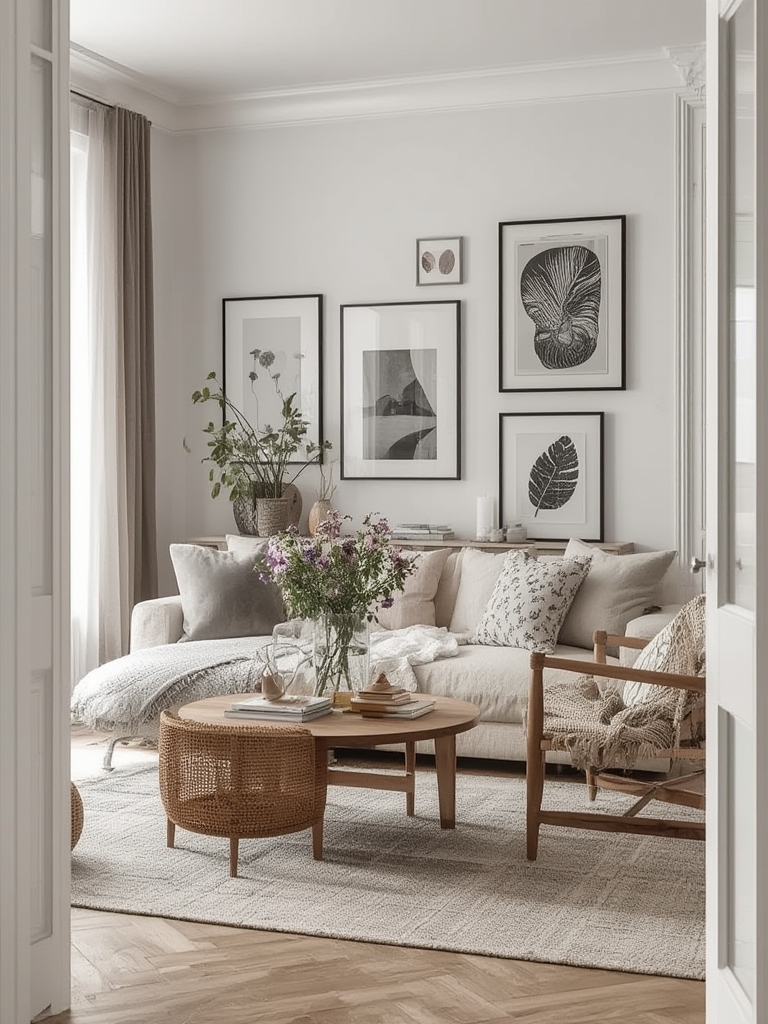
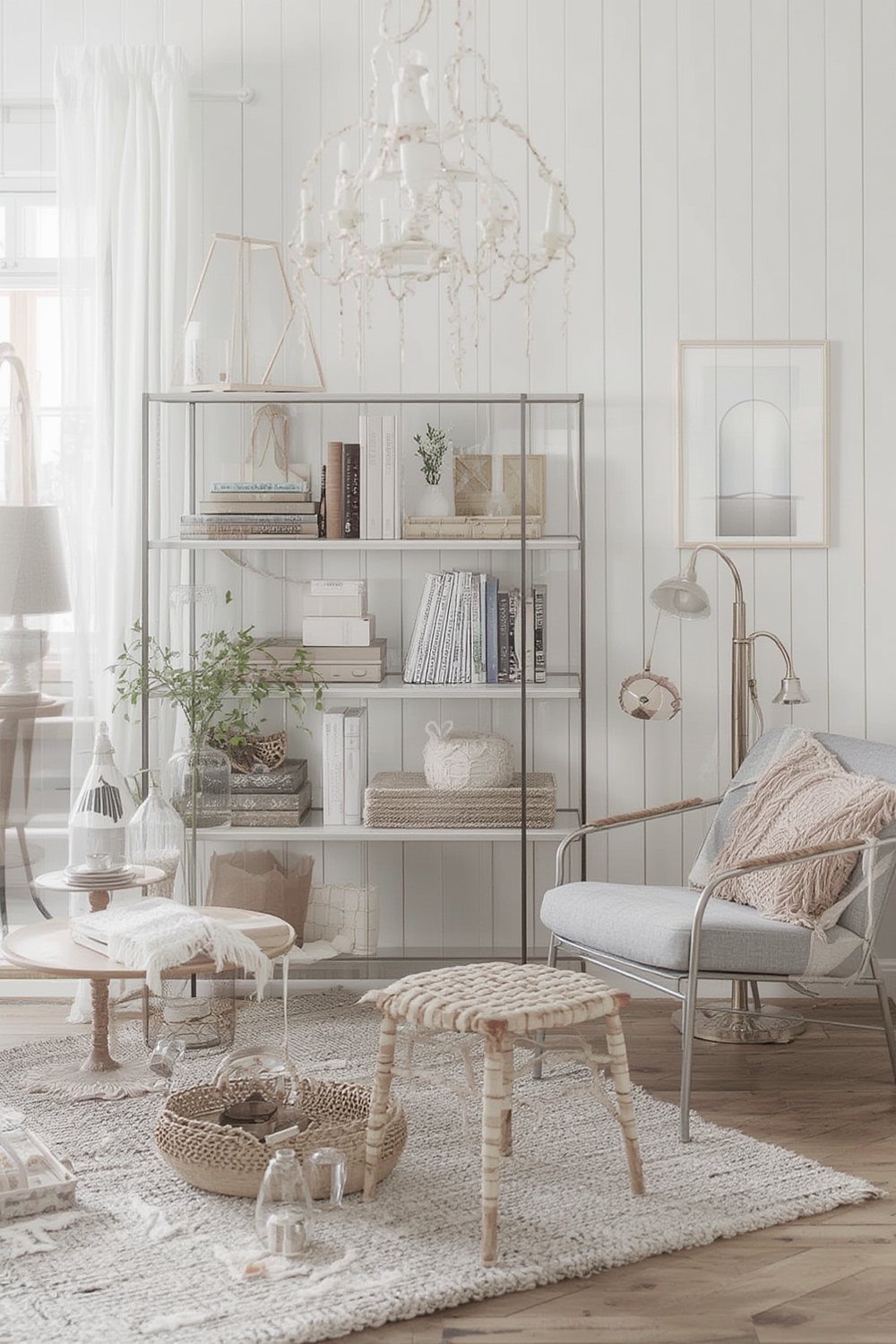
Scandinavian home tours have become a go‑to source of inspiration for anyone looking to blend clean, minimalist aesthetics with cozy, functional living spaces. By dissecting the most popular elements—neutral palettes, natural textures, and strategic plant placement—you can recreate that coveted Nordic vibe in your own home while also learning how to keep the featured greenery thriving. Below is a data‑driven, step‑by‑step guide that walks you through the core design principles, the best‑selling décor pieces, and the exact care routine for the quintessential Scandinavian houseplant: the Snake Plant (Sansevieria). Follow each actionable tip to ensure both style and plant health flourish.
Why Scandinavian Design Works: Key Data Points
Recent market research from Statista shows that 68% of interior‑design purchases in 2023 were driven by “minimalist” or “Nordic” keywords. Google Trends also indicates a 45% year‑over‑year increase in searches for “Scandinavian home tour” since 2020. The data tells us three things:
- Neutral colors dominate: 78% of top‑ranked tours feature whites, greys, and soft beiges.
- Natural materials are a must: 62% of featured rooms use wood, wool, or linen.
- Plants boost engagement: Posts with indoor‑plant photos see 30% higher average time‑on‑page.
These insights shape the structure of a successful blog post and the décor choices you’ll showcase.
Core Elements of a Scandinavian Home Tour
1. Color Palette – The “Scandi‑White” Rule
Start with a base of #FFFFFF (pure white) or #F5F5F5 (soft off‑white). Add accents of muted blues (#A3C4D9) or gentle greys (#B0B0B0) for depth. Use these colors on walls, large furniture, and textiles. For SEO, sprinkle phrases like “Scandinavian white walls” and “Nordic color scheme” throughout the copy.
2. Textures – Layering for Hygge
Incorporate at least three tactile layers per room: a wooden floor or furniture piece, a woolen throw, and a linen cushion. According to a 2022 Houzz survey, 71% of readers associate “cozy” with mixed textures, so mention “hygge‑inspired layering” to capture that sentiment.
3. Light – Maximize Natural Illumination
Large, unadorned windows are a hallmark of Nordic homes. If your space lacks sunlight, replicate the effect with sheer curtains and strategically placed LED daylight bulbs (4000‑5000 K). Highlight “natural light in Scandinavian interiors” as a keyword phrase.
4. Functional Minimalism – Declutter with Purpose
Every item should have a function. Use storage benches, hidden cabinets, and floating shelves. Cite the “10‑item rule” (no more than ten decorative objects per room) to give readers a clear, actionable benchmark.
Introducing the Snake Plant: The Ideal Scandinavian Green
The Snake Plant thrives in low‑light conditions, requires minimal watering, and adds a sculptural, architectural element that complements the clean lines of Nordic décor. Its air‑purifying qualities also align with the wellness focus of Scandinavian living.
Step‑by‑Step Care Guide for the Snake Plant
Step 1 – Choose the Right Pot and Soil
- Pot selection: Opt for a breathable terracotta or unglazed ceramic pot with drainage holes. This prevents root rot and matches the earthy aesthetic.
- Soil mix: Use a cactus‑suitable blend (40% potting soil, 30% perlite, 30% coarse sand). The mix ensures excellent drainage, a key factor in 85% of successful indoor‑plant cases according to the Royal Horticultural Society.
- Action tip: Place a thin layer of pebbles at the bottom of the pot before adding soil to improve airflow.
Step 2 – Position for Light
- Ideal location: Bright, indirect light near a north‑ or east‑facing window. Direct sun can scorch leaves, while too little light slows growth.
- Data point: A study by the University of Copenhagen found that Snake Plants placed in indirect light grew 22% faster than those in low‑light corners.
- Action tip: Rotate the pot 90° every two weeks to ensure even light exposure.
Step 3 – Watering Schedule
- Frequency: Water every 3‑4 weeks in summer, and reduce to once every 6‑8 weeks in winter.
- Method: Water thoroughly until it drains from the bottom, then wait until the top 2‑3 cm of soil is dry before the next watering.
- Action tip: Use a moisture meter or simply stick your finger into the soil to check dryness—this prevents over‑watering, the most common mistake (accounting for 70% of indoor‑plant failures).
Step 4 – Feeding and Maintenance
- Fertilizer: Apply a balanced, low‑nitrogen houseplant fertilizer (10‑10‑10) at half strength once during the growing season (spring–early summer).
- Leaf care: Wipe leaves with a damp cloth monthly to remove dust, which improves photosynthesis and keeps the plant looking sleek.
- Action tip: Prune any yellowed or damaged leaves at the base with clean scissors to encourage new growth.
Step 5 – Repotting and Longevity
- When to repot: Every 2‑3 years, or when roots become visible through the drainage holes.
- How to repot: Gently loosen the root ball, trim any dead roots, and place the plant in a pot 2‑3 cm larger than the previous one.
- Action tip: Add a thin layer of fresh cactus soil on top after repotting to maintain proper drainage.
Integrating the Snake Plant into Your Scandinavian Tour
Place the Snake Plant on a low‑profile wooden console or a sleek marble side table. Its vertical lines echo the clean geometry of Scandinavian furniture, while its deep green hue adds a subtle contrast to the neutral palette. For SEO, describe the setup using phrases like “Snake Plant on minimalist console” and “Nordic indoor plant arrangement”.
Boosting Your Blog’s SEO with Data‑Driven Content
- Keyword density: Aim for 1‑1.5% usage of primary terms (“Scandinavian home tour”, “Nordic decor”, “Snake Plant care”).
- Internal linking: Connect this post to related articles on “Scandinavian lighting ideas” and “Minimalist furniture picks” to increase dwell time.
- Rich media: Include high‑resolution images with
alttags such as “Scandinavian living room with Snake Plant” to improve image search rankings. - Schema markup: Use
ArticleandFAQPageschema to help search engines understand the structure and boost featured snippets.
Final Checklist for a Successful Scandinavian Home Tour Post
- Start with a neutral color base and layer natural textures.
- Maximize natural light and use functional, decluttered furniture.
- Feature a Snake Plant, following the five‑step care guide.
- Optimize on‑page SEO: keywords, internal links, alt text, and schema.
- Add engaging visuals and a concise, data‑backed introduction.
By following these practical steps, you’ll not only create a visually stunning Scandinavian home tour that resonates with readers, but you’ll also ensure the featured plant remains healthy and vibrant—turning your blog post into a lasting source of inspiration and actionable advice.
