
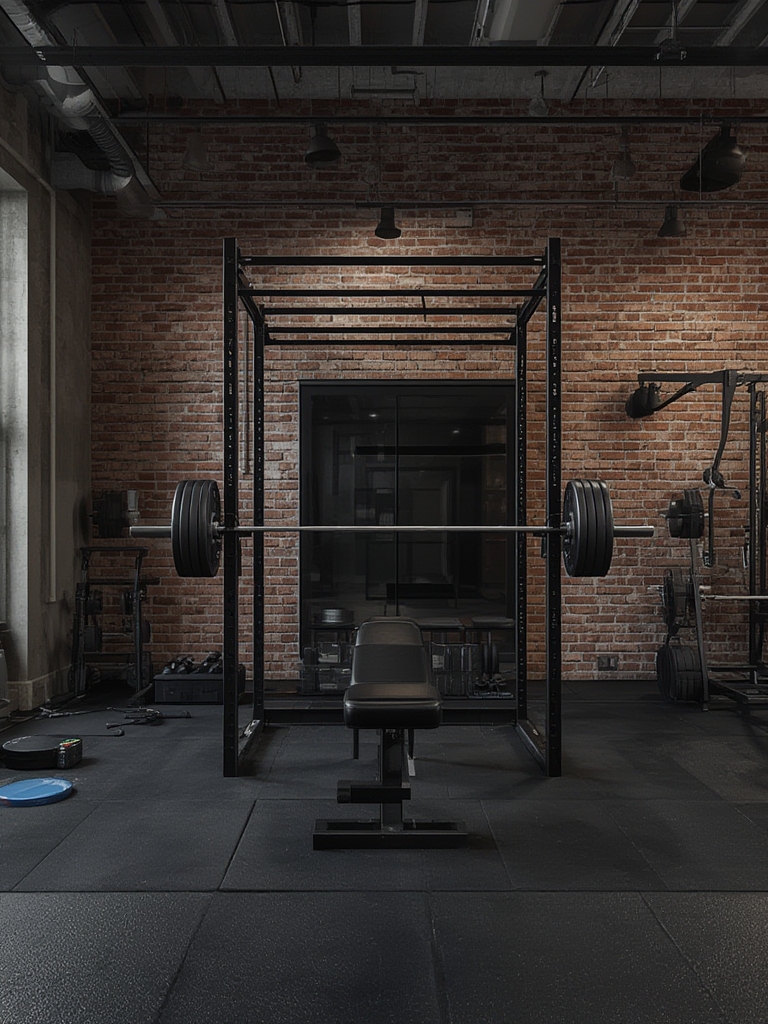
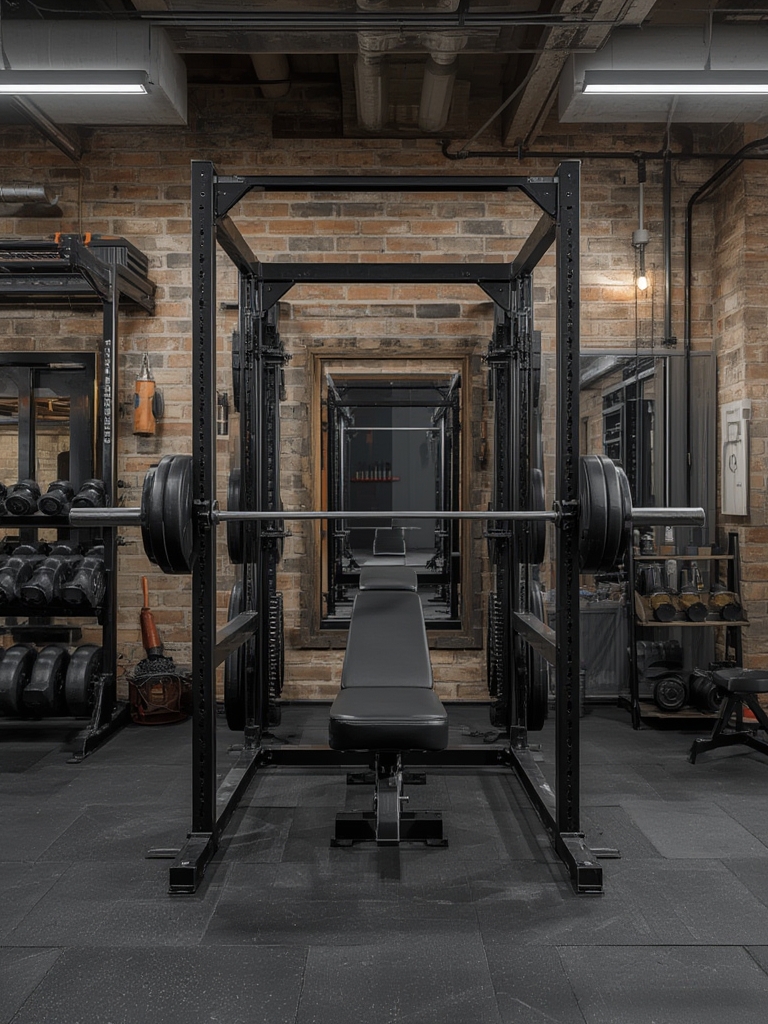
Designing an industrial‑style home gym combines the raw power of commercial fitness spaces with the comfort and convenience of a personal workout zone. By leveraging durable materials, functional layouts, and smart technology, you can create a motivating environment that boosts performance and adds a sleek, modern aesthetic to your home. Below is a data‑driven, step‑by‑step guide that walks you through every phase—from planning and budgeting to equipment selection and finishing touches—so you can build a high‑impact gym that lasts.
1. Assess Space, Budget, and Goals
Measure and Map the Area
- Use a laser measure or a tape measure to record length, width, and ceiling height.
- Sketch a floor plan on graph paper (1 sq ft = 1 square) or use a free online tool like Floorplanner.
- Identify structural elements (load‑bearing walls, windows, doors) that cannot be moved.
Set a Realistic Budget
According to a 2023 HomeGym Survey, the average spend for a mid‑range industrial home gym is $7,500–$12,000. Allocate funds as follows:
- Structural & Flooring (30 %): Reinforced concrete slab or rubber interlocking tiles.
- Equipment (40 %): Multi‑stations, power racks, free weights, and cardio machines.
- Lighting & Tech (15 %): LED fixtures, smart speakers, and wall‑mounted displays.
- Finishes & Decor (15 %): Exposed brick, metal accents, and branding graphics.
Define Primary Use Cases
Decide whether the space will focus on strength training, functional conditioning, cardio, or a mix. This decision drives equipment choices and layout density. For example, a strength‑focused gym needs a larger footprint for a power rack (minimum 4 × 4 ft clearance), while a functional‑training zone benefits from open floor space for kettlebells and battle ropes.
2. Choose Industrial‑Style Materials
Flooring
Industrial gyms demand durability and shock absorption. Options:
- Heavy‑Duty Rubber Tiles: 3/8‑inch thickness absorbs impact and protects floors; ideal for weightlifting zones.
- Polished Concrete: Offers a sleek look; apply a sealant to prevent dust and add a slip‑resistant coating.
- Interlocking EPDM Mats: Easy to install and replace; great for high‑traffic cardio areas.
Tip: Install a 2‑inch rubber border around the perimeter to protect walls from accidental impacts.
Walls and Surfaces
- Exposed Brick or Faux Brick Panels: Adds texture; use moisture‑resistant paint if the gym is in a basement.
- Metal Sheet Cladding: Corrugated steel or brushed aluminum provides an authentic industrial vibe and is easy to clean.
- Blackboard Paint: Turn a wall into a writable training board for workout plans and progress tracking.
Lighting
Industrial lighting is both functional and atmospheric. Combine:
- LED Track Lights: Adjustable, energy‑efficient, and can be dimmed for mood lighting.
- Pendant Metal Fixtures: Hang over weight stations for a factory‑floor feel.
- Natural Light: If windows are present, use blackout shades for privacy and glare control during video workouts.
3. Layout Planning – Optimize Flow and Safety
Zone the Space
- Strength Zone: Place the power rack, bench, and squat platform against a sturdy wall. Keep a minimum of 4 ft clearance on all sides.
- Functional Zone: Allocate an open 8 × 10 ft area for kettlebells, medicine balls, and plyometric work.
- Cardio Zone: Position treadmills or rowing machines near a wall with a power outlet; ensure a 2‑ft clearance for safety.
- Recovery Zone: Add a foam‑roller mat, stretching strap rack, and a small bench for cool‑down.
Safety Pathways
Mark 3‑ft wide walkways with contrasting floor tape. This reduces collision risk and complies with OSHA’s recommended clearance for gym equipment.
4. Select and Install Equipment
Core Strength Pieces
- Power Rack with Pull‑Up Bar: Look for a 48 in. width model with a 2‑inch steel tube for durability.
- Adjustable Bench: Choose a bench with a 10‑inch backrest angle range for incline/decline work.
- Plate Storage: Install wall‑mounted steel plate trees; each 45‑lb plate adds ~2 lb to the rack’s load.
Functional & Cardio Gear
- Kettlebell Set (8–48 lb): Store on a magnetic rack to keep the floor clear.
- Battle Rope (1.5 in. × 30 ft): Anchor to a reinforced beam; use a swivel hook to prevent rope wear.
- Rowing Machine: Opt for a magnetic resistance model for quieter operation.
Technology Integration
Install a wall‑mounted 55‑inch smart TV or a projector for streaming classes. Pair with a Bluetooth speaker system and a Wi‑Fi‑enabled thermostat to keep the space comfortable year‑round.
5. Finishing Touches and Maintenance
Acoustic Treatment
Industrial gyms can be noisy. Add acoustic panels (12 × 12 in.) on the ceiling or behind cardio machines to reduce echo and protect neighbors.
Branding and Motivation
- Apply vinyl wall decals with motivational quotes in bold, industrial fonts.
- Use a chalkboard wall for daily workout goals and progress tracking.
- Install a small fridge stocked with water and electrolyte drinks for convenience.
Routine Upkeep
- Weekly Floor Clean: Sweep debris, then mop with a pH‑neutral cleaner to preserve rubber integrity.
- Monthly Equipment Check: Tighten bolts on racks, lubricate moving parts on cardio machines, and inspect cables for wear.
- Quarterly Deep Clean: Wipe down metal surfaces with a light oil spray to prevent rust; clean brick walls with a soft brush and mild detergent.
6. Track Performance and Iterate
Data‑Driven Adjustments
Use a simple spreadsheet or a fitness app to log usage frequency for each zone. If a piece of equipment is under‑utilized (e.g., less than 2 hours/week), consider swapping it for a more popular item like a cable machine or an additional squat platform.
Feedback Loop
Invite family members or workout partners to complete a short survey after the first month. Ask about comfort, accessibility, and aesthetic appeal. Use their input to fine‑tune lighting levels, add extra storage, or adjust the layout.
By following these data‑backed steps, you’ll transform an ordinary room into an industrial‑style home gym that not only looks powerful but also supports consistent, safe training. The result is a high‑performance space that reflects your personal brand, maximizes your investment, and keeps you motivated day after day.
