
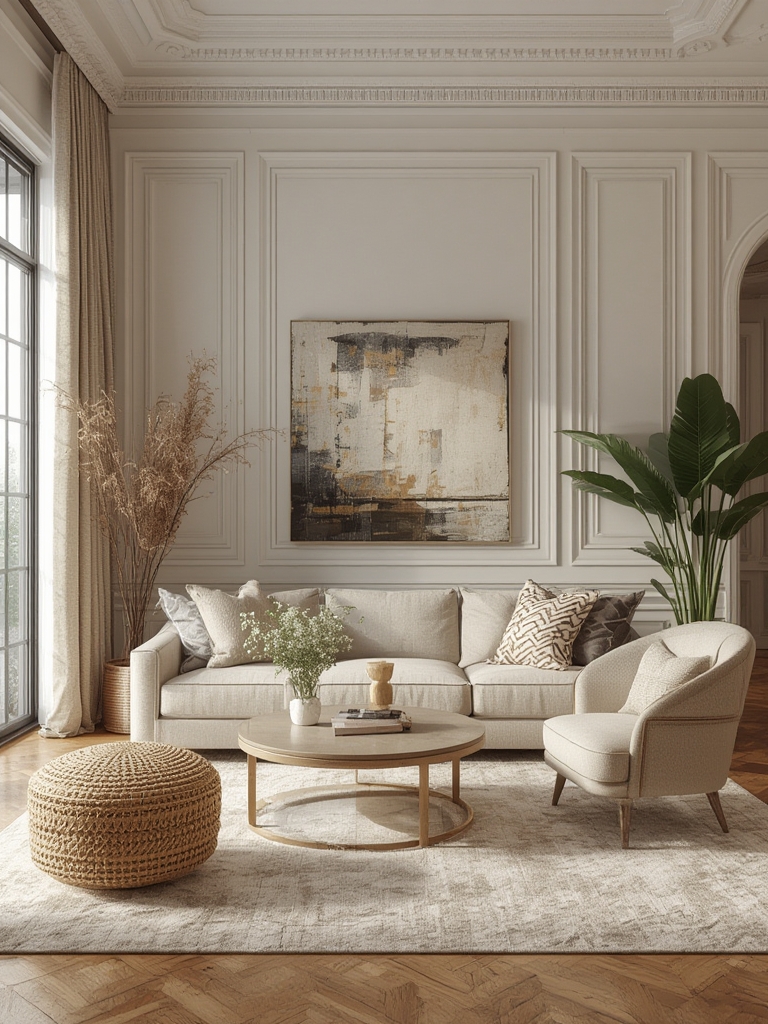
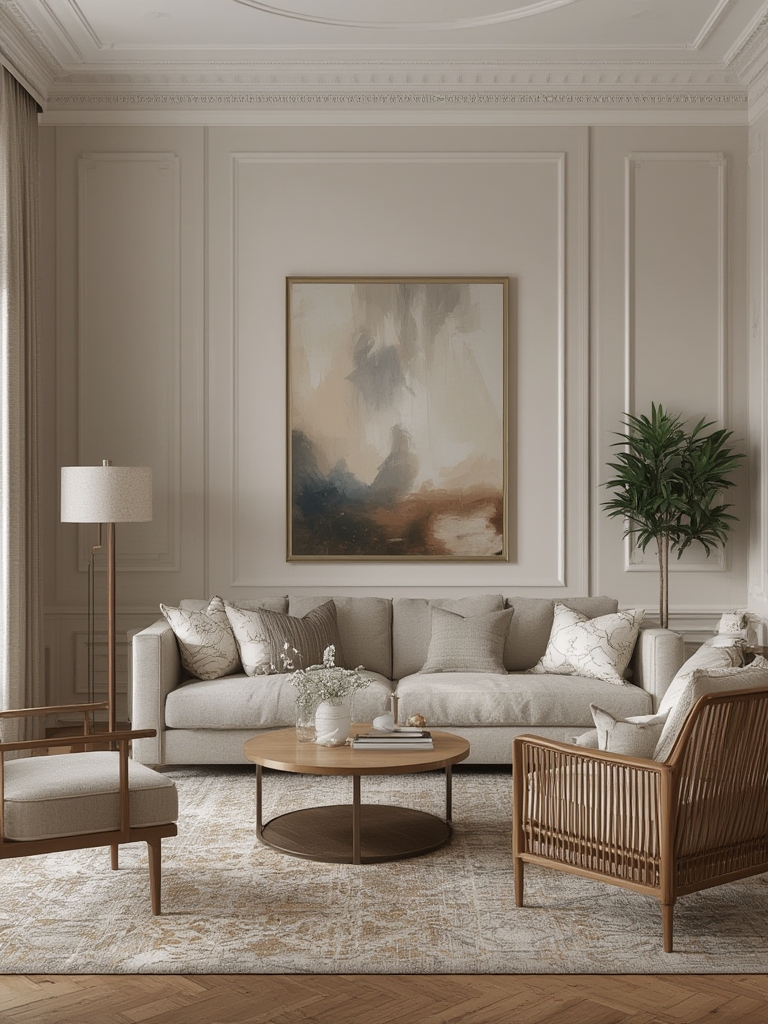
Quiet luxury is the art of creating a sophisticated, serene space where elegance whispers rather than shouts. In home décor, this style leans on high‑quality materials, muted color palettes, and thoughtfully curated pieces that exude understated opulence. When paired with the right greenery, a quiet‑luxury interior can feel both timeless and alive. Below you’ll discover how to design a quiet‑luxury living area and how to care for a signature plant—such as the Monstera deliciosa or Fiddle Leaf Fig—that complements this aesthetic.
Understanding Quiet Luxury in Home Furnishings
Core Principles
- Neutral Foundations: Soft whites, warm greys, and earthy taupes create a calm canvas.
- Premium Textures: Think natural linen, velvet, silk, and hand‑woven wool. These fabrics add depth without overwhelming the eye.
- Minimalist Silhouettes: Clean lines and streamlined shapes keep the space feeling airy.
- Subtle Accents: Gold‑tone hardware, marble surfaces, or brushed brass fixtures provide a touch of glamour without being flashy.
Choosing Furniture That Speaks Softly
Invest in a few statement pieces rather than filling the room with mass‑produced items. A plush, low‑profile sofa in a muted linen, a solid‑wood coffee table with a matte finish, and a pair of sleek armchairs upholstered in velvet can instantly elevate the vibe. Look for:
- Solid wood frames (oak, walnut, or teak) with natural grain visible.
- Upholstery in natural fibers that age gracefully.
- Integrated storage solutions that keep clutter hidden.
Integrating Greenery: The Perfect Plant for Quiet Luxury
Plants add life, improve air quality, and reinforce the organic feel of quiet luxury. The Monstera deliciosa and the Fiddle Leaf Fig are popular choices because of their bold foliage and sculptural presence. Below is a step‑by‑step guide to ensure your plant thrives while enhancing your décor.
Step‑by‑Step Plant Care Guide
Step 1: Selecting the Right Pot
Actionable tip: Choose a pot made from natural materials—ceramic, stone, or woven rattan—in a neutral shade that matches your room’s palette. Ensure the pot has drainage holes to prevent waterlogging.
Step 2: Positioning for Light
Actionable tip: Place the plant near a bright, indirect light source. East‑facing windows provide gentle morning sun, which is ideal for most luxury‑style foliage. If natural light is limited, supplement with a full‑spectrum LED grow light set on a timer (12‑14 hours daily).
Step 3: Watering Routine
Actionable tip: Water only when the top 2‑3 cm of soil feels dry to the touch. Use a moisture meter for precision. In winter, reduce watering frequency by 30‑40% as the plant’s growth slows.
Step 4: Feeding and Soil Maintenance
Actionable tip: Use a balanced, slow‑release fertilizer (10‑10‑10) once every 6‑8 weeks during the growing season (spring‑early fall). Repot every 2‑3 years with a high‑quality, well‑draining potting mix containing peat, perlite, and pine bark.
Step 5: Pruning and Shaping
Actionable tip: Trim any yellowed or damaged leaves with clean, sharp scissors. For a tidy silhouette, prune back overly long stems and remove lower leaves that touch the pot’s rim. This encourages upward growth and maintains the plant’s sculptural appeal.
Step 6: Managing Pests
Actionable tip: Inspect leaves weekly for spider mites, mealybugs, or scale. If detected, wipe leaves with a damp cloth and treat with an organic neem oil spray (mix 1 teaspoon neem oil with 1 cup water). Repeat every 7‑10 days until the infestation clears.
Styling Tips to Fuse Plant and Quiet Luxury
Layer Textures
Place the plant on a woven rattan tray or a marble slab to add contrast. Pair it with a linen throw or a plush rug in a complementary neutral tone.
Balance Scale
Position larger foliage plants opposite a low, sleek sofa to create visual equilibrium. Use smaller succulents or a trailing pothos on side tables for secondary interest.
Highlight with Subtle Lighting
Install dimmable wall sconces or a soft LED floor lamp that casts a warm glow on the plant’s leaves in the evening. This accentuates the natural texture without overpowering the space.
SEO‑Friendly Content Structure for WordPress
To ensure this post ranks well, follow these quick SEO steps:
- Keyword Placement: Use “quiet luxury home furnishings,” “quiet luxury décor,” and “low‑maintenance luxury plants” in the first 100 words, H2 headings, and the meta description.
- Internal Links: Link to related articles on “minimalist living rooms” and “best indoor plants for low light” to boost site authority.
- Image Optimization: Include high‑resolution images of a neutral sofa, marble coffee table, and the featured plant. Add descriptive ALT tags like “Monstera deliciosa in a neutral ceramic pot for quiet luxury décor.”
- Readability: Keep sentences under 20 words, use bullet points, and break up text with H3 subheadings for easy scanning.
- Schema Markup: Apply
Articleschema withauthor,datePublished, andimagefields to help search engines understand the content.
Final Thoughts
Quiet luxury is about curating an environment where each element—furniture, texture, lighting, and greenery—works in harmony to create a serene, high‑end experience. By selecting premium, timeless pieces and caring for a statement plant with the steps outlined above, you’ll achieve a space that feels both effortlessly elegant and organically alive. Remember, the key is restraint: let each component breathe, and the overall design will speak volumes without ever raising its voice.
