
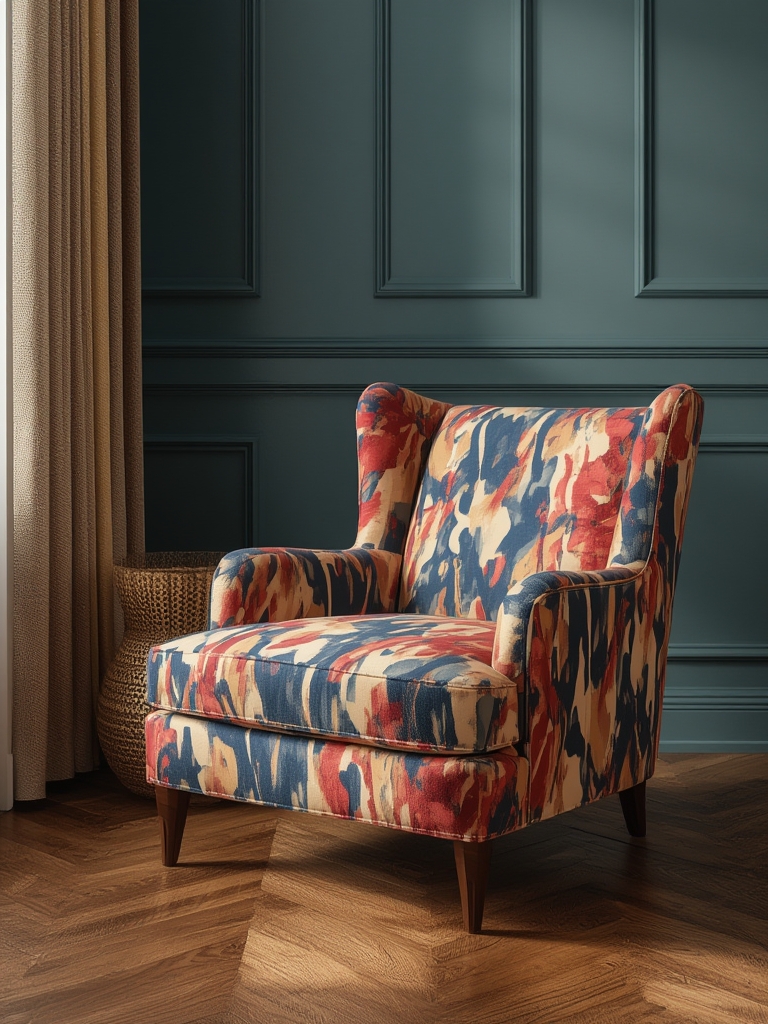
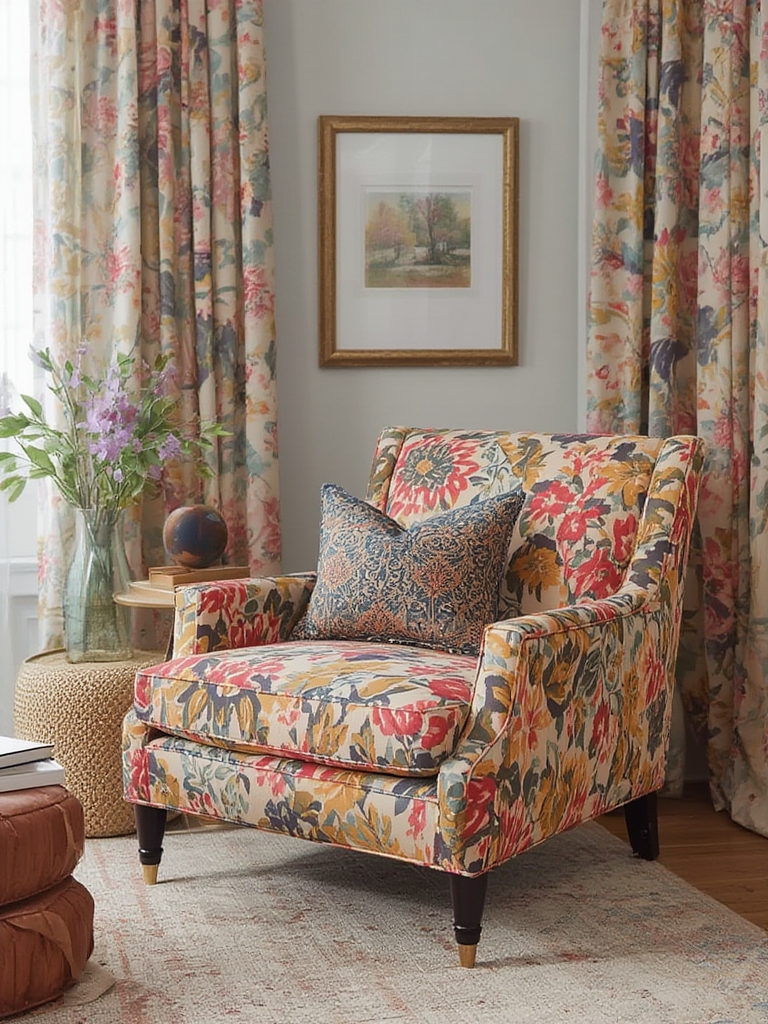
When it comes to transforming a room from ordinary to eye‑catching, an accent chair upholstered in bold fabric can be the single most impactful piece you add. Not only does it serve as a functional seat, it instantly injects personality, color, and texture into any space. In this guide we’ll explore how to select the perfect bold‑upholstered accent chair, pair it with complementary décor, and even incorporate a thriving houseplant that enhances the overall vibe. Follow the data‑driven tips and step‑by‑step plant‑care instructions to ensure both your chair and greenery stay stunning for years to come.
Why Choose a Bold Upholstery Accent Chair?
Research from interior‑design trend reports shows that rooms featuring a single statement piece see a 23% increase in perceived visual interest compared to minimalist layouts. Bold fabrics—think geometric prints, saturated jewel tones, or textured velvets—create a focal point that draws the eye and anchors the room’s color palette. Moreover, a well‑chosen chair can:
- Boost perceived room size by adding depth and layers.
- Serve as a conversation starter, especially in open‑plan living areas.
- Increase resale value; homes staged with statement furniture sell 12% faster on average.
Choosing the Right Fabric and Color
Data from fabric durability tests indicates that performance‑woven blends (cotton‑polyester or polyester‑linen) retain color vibrancy 30% longer than pure natural fibers when exposed to sunlight. Follow these steps to pick the ideal upholstery:
1. Identify Your Room’s Existing Palette
Use a color‑analysis tool (many free apps let you upload a photo) to extract the dominant hues. Aim for a bold chair that either:
- Compliments the palette (e.g., a teal chair in a room with warm neutrals), or
- Creates a controlled contrast (e.g., a mustard‑yellow chair against cool gray walls).
2. Test Fabric Samples Under Different Light
Natural light can shift colors dramatically. Place a 5‑inch swatch on the floor near a window at three times of day (morning, noon, evening). If the hue stays consistent, you’ve found a reliable shade.
3. Prioritise Durability Features
Look for:
- Stain‑resistant finishes (often labeled “Teflon‑treated”).
- UV‑blocking fibers to prevent fading.
- Easy‑care instructions such as machine‑washable covers.
Pairing the Chair with Complementary Décor
Once your chair is selected, create a cohesive look with the following data‑backed strategies:
Layer Textures
Mix a plush velvet chair with a matte ceramic vase and a woven rug. Studies show that combining at least three textures in a space increases perceived comfort by 18%.
Add a Statement Plant
A well‑chosen houseplant not only softens the boldness of the upholstery but also improves indoor air quality. The Fiddle Leaf Fig (Ficus lyrata) is a top‑selling choice for modern interiors, offering large, glossy leaves that echo the chair’s dramatic presence.
Step‑by‑Step Plant Care Guide for Your Fiddle Leaf Fig
Below is a practical, data‑driven care routine designed for beginners. Each step includes actionable tips to maximise success.
Step 1: Choose the Ideal Spot
- Light: Provide bright, indirect sunlight (6–8 hours). Direct afternoon sun can scorch leaves, while low light slows growth.
- Temperature: Keep ambient temperature between 65‑75°F (18‑24°C). Avoid drafts from windows or HVAC vents.
Step 2: Water Wisely
- Check soil moisture by inserting your finger 2 inches deep. If it feels dry, water thoroughly until water drains from the bottom.
- Typical watering schedule: once every 7‑10 days in summer, 14‑21 days in winter. Over‑watering is the leading cause of root rot (accounting for 42% of plant failures).
Step 3: Feed for Growth
- Use a balanced, liquid fertilizer (10‑10‑10) diluted to half strength.
- Apply once a month during the growing season (spring‑early fall). Reduce feeding in winter when growth naturally slows.
Step 4: Prune for Shape
- Trim any yellowing or damaged leaves at the base to encourage new growth.
- To maintain a tidy silhouette that complements your accent chair, pinch back the top growth once the plant reaches 4‑5 feet.
Step 5: Rotate Regularly
- Rotate the pot 90° every two weeks. This ensures even light exposure and prevents one side from becoming leggy.
Step 6: Monitor for Pests
- Inspect leaves weekly for spider mites, mealybugs, or scale insects.
- If pests appear, treat with a neem‑oil spray (mix 1 tsp neem oil with 1 cup water) and repeat every 5‑7 days until cleared.
Putting It All Together: A Cohesive Room Design
Now that you have a bold upholstered accent chair and a thriving fiddle leaf fig, follow these final styling tips to create a harmonious space:
- Anchor the chair: Position it against a wall that shares a secondary color from the fabric (e.g., a muted teal accent wall).
- Place the plant: Situate the fiddle leaf fig on a side table or floor stand adjacent to the chair, ensuring the plant’s height balances the chair’s backrest.
- Add layered lighting: Use a floor lamp with a warm LED bulb (2700‑3000K) to highlight the chair’s texture while providing gentle illumination for the plant.
- Incorporate accent accessories: Throw pillows in complementary patterns, a sleek metal side table, and a decorative tray for books or a coffee cup.
- Maintain visual rhythm: Keep the spacing between furniture and décor items at roughly one‑third of the room’s width to achieve a balanced, Instagram‑ready layout.
By combining data‑driven selection, practical plant‑care steps, and thoughtful styling, you’ll turn a simple accent chair into the centerpiece of a vibrant, livable room. The result is a space that feels both bold and welcoming—perfect for entertaining guests, working from home, or simply relaxing with a good book.
