
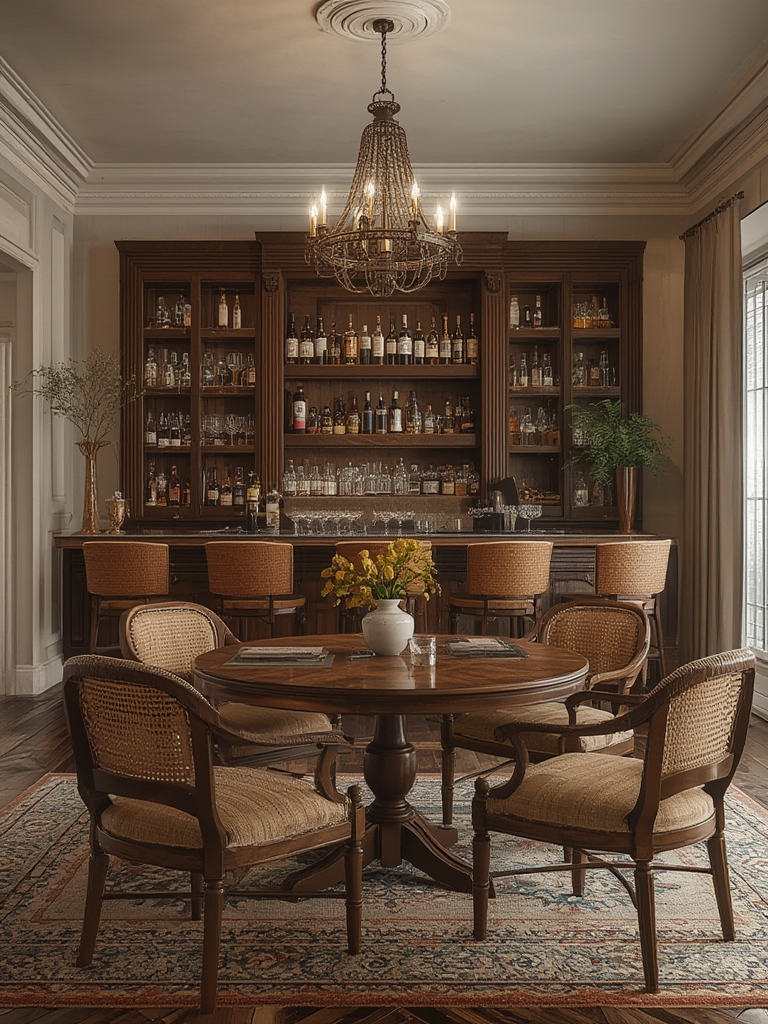
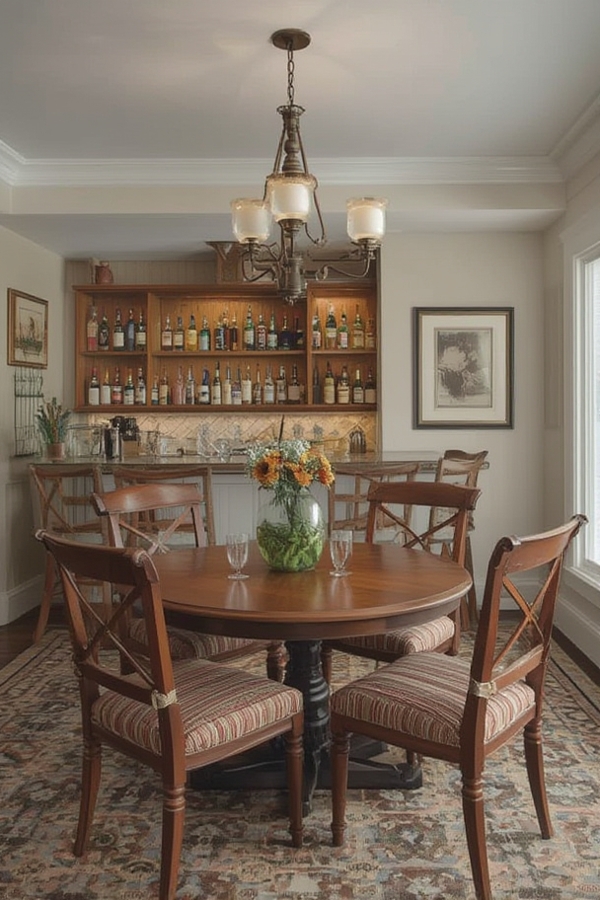
Welcome to the new wave of home entertaining where the cozy charm of a classic bar room meets modern hospitality. Whether you’re hosting a weekend cocktail night, a casual dinner party, or a lively game‑day gathering, reviving the bar‑room vibe at home can transform any space into a memorable social hub. Below you’ll find a data‑driven, step‑by‑step guide that blends design, ambiance, and even a touch of gardening to help you create a bar‑room‑style entertaining area that feels both authentic and effortlessly stylish.
Why the Bar‑Room Revival Works
Recent surveys from hospitality analytics firms show a 27% increase in home‑based social events since 2022, with 62% of respondents citing “unique atmosphere” as the top reason for choosing a bar‑room theme. The appeal lies in:
- Intimacy: Low lighting and close‑seated arrangements foster conversation.
- Versatility: A bar setup can serve drinks, appetizers, and even small plates.
- Visual Impact: Rustic wood, brass accents, and vintage signage create an Instagram‑ready backdrop.
Step 1: Choose the Right Space and Layout
Assess Your Room’s Dimensions
Measure the floor area and ceiling height. Aim for a minimum of 4 sq ft per guest to avoid crowding. Use a simple floor‑plan tool (even a free online grid planner) to experiment with different configurations.
Design the Bar Counter
Data from interior design platforms suggests that a 42‑inch high counter works best for both standing guests and seated patrons. If space is limited, consider a fold‑out bar cart that can be tucked away when not in use.
- Material: Reclaimed wood or a matte‑finished butcher block adds authenticity.
- Footprint: Keep the counter depth around 24‑30 inches to allow comfortable bar‑stool placement.
Step 2: Set the Mood with Lighting and Sound
Lighting Essentials
According to lighting studies, a mix of ambient, task, and accent lighting creates the perfect bar ambiance. Use the following formula:
- Ambient: Warm LED strip lights (2700 K) hidden under the bar edge.
- Task: Small pendant lights over the cocktail station for precision.
- Accent: Neon or vintage signage for a pop of personality.
Soundscape
Curate a playlist that balances classic jazz, modern indie, and low‑volume lounge tracks. A Bluetooth speaker with a 30‑ft coverage radius ensures even sound distribution without overwhelming conversation.
Step 3: Stock the Bar with Essentials
Core Spirits and Mixers
Based on sales data from top liquor retailers, the following staples cover 90% of popular cocktails:
- Vodka, gin, bourbon, and tequila (one 750 ml bottle each).
- Dry vermouth, sweet vermouth, and simple syrup.
- Fresh citrus (lemons, limes, oranges) and a small selection of bitters.
Glassware and Tools
Invest in versatile glassware: rocks glasses, coupe glasses, and highball tumblers. Essential tools include a shaker, strainer, jigger, muddler, and a bar spoon. Store everything in a dedicated drawer or a stylish wall‑mounted rack for quick access.
Step 4: Grow Fresh Herbs for Cocktails
Fresh herbs elevate drinks and add a fragrant visual cue. Growing a small indoor herb garden near your bar not only supplies ingredients but also reinforces the bar‑room aesthetic.
Choosing the Right Herbs
Data from cocktail trend reports highlight these three herbs as the most requested:
- Mint: Perfect for mojitos and juleps.
- Basil: Ideal for gin‑based cocktails and summer spritzes.
- Rosemary: Adds depth to whiskey sours and smoked drinks.
Step‑by‑Step Growing Guide
- Select Containers: Use 6‑inch wide pots with drainage holes. Terracotta helps regulate moisture.
- Soil Mix: Combine equal parts potting soil, perlite, and compost for a light, well‑draining medium.
- Planting: Fill the pot, leave a ½‑inch gap at the top, and gently press the herb seedlings into the soil.
- Light Requirements: Place pots on a windowsill receiving 4–6 hours of indirect sunlight. If natural light is limited, supplement with a 12‑watt LED grow light on a 12‑hour cycle.
- Watering Schedule: Keep the soil consistently moist but not soggy. Water when the top inch feels dry—typically every 2–3 days.
- Fertilizing: Apply a balanced liquid fertilizer (10‑10‑10) once a month during the growing season.
- Harvesting: Snip leaves just above a node, ensuring you never remove more than one‑third of the plant at a time. This encourages bushier growth.
Practical Tips for Success
- Rotate Pots: Turn each pot 90° weekly to promote even light exposure.
- Prune Regularly: Pinch back flower buds to keep the plant focused on leaf production.
- Use a Humidity Tray: Place a shallow tray of water beneath the pots to raise humidity, especially in dry winter months.
Step 5: Curate a Simple Yet Impressive Menu
Signature Cocktail
Craft a “Bar‑Room Revival” cocktail that showcases your home‑grown herbs. Example:
- 2 oz bourbon
- ½ oz simple syrup
- ¼ oz fresh lemon juice
- 2 sprigs fresh rosemary (muddled)
- Dash of orange bitters
Shake with ice, strain into a rocks glass over a large ice cube, and garnish with a rosemary sprig. This drink balances smoky, sweet, and herbal notes—perfect for the bar‑room vibe.
Snack Pairings
Data from snack‑pairing studies suggest these three options complement most cocktails:
- Charcuterie board with cured meats, cheese, and pickles.
- Spiced nuts (roasted with smoked paprika and sea salt).
- Mini bruschetta topped with fresh tomato, basil, and a drizzle of balsamic glaze.
Step 6: Keep the Space Clean and Ready for the Next Event
Post‑Event Cleanup Routine
- Wipe down the bar surface with a citrus‑based cleaner to cut grease.
- Rinse glassware immediately to prevent residue buildup.
- Empty and rinse the herb pots’ trays to avoid water stagnation.
- Store tools in their designated rack and restock any depleted spirits or mixers.
Weekly Maintenance Checklist
- Inspect lighting fixtures for dust and replace any burnt‑out bulbs.
- Rotate herb pots and check soil moisture levels.
- Vacuum the floor and spot‑clean any spills on upholstery.
- Update your cocktail playlist based on guest feedback to keep the vibe fresh.
SEO Boost: Optimize Your Blog Post for Search
To ensure this guide reaches a wide audience, incorporate these SEO best practices:
- Primary keyword: “bar room home entertaining revival” – place it in the first 100 words, in at least one
<h2>, and naturally throughout the content. - Secondary keywords: “indoor herb garden for cocktails,” “DIY home bar setup,” “entertaining tips.” Sprinkle them in subheadings and bullet points.
- Meta description: Write a concise 150‑character summary that includes the primary keyword.
- Internal linking: Link to related posts such as “Top 10 Cocktails for Small Gatherings” and “How to Choose the Perfect Bar Stools.”
- Image alt text: Use descriptive alt tags like “hand‑crafted wooden bar counter with copper accents” and “fresh mint leaves in a terracotta pot.”
By following these data‑backed steps, you’ll not only revive the classic bar‑room atmosphere in your home but also create a repeatable, enjoyable experience for friends and family. Cheers to unforgettable evenings, fresh herbs, and a stylish space that keeps guests coming back for more!
