
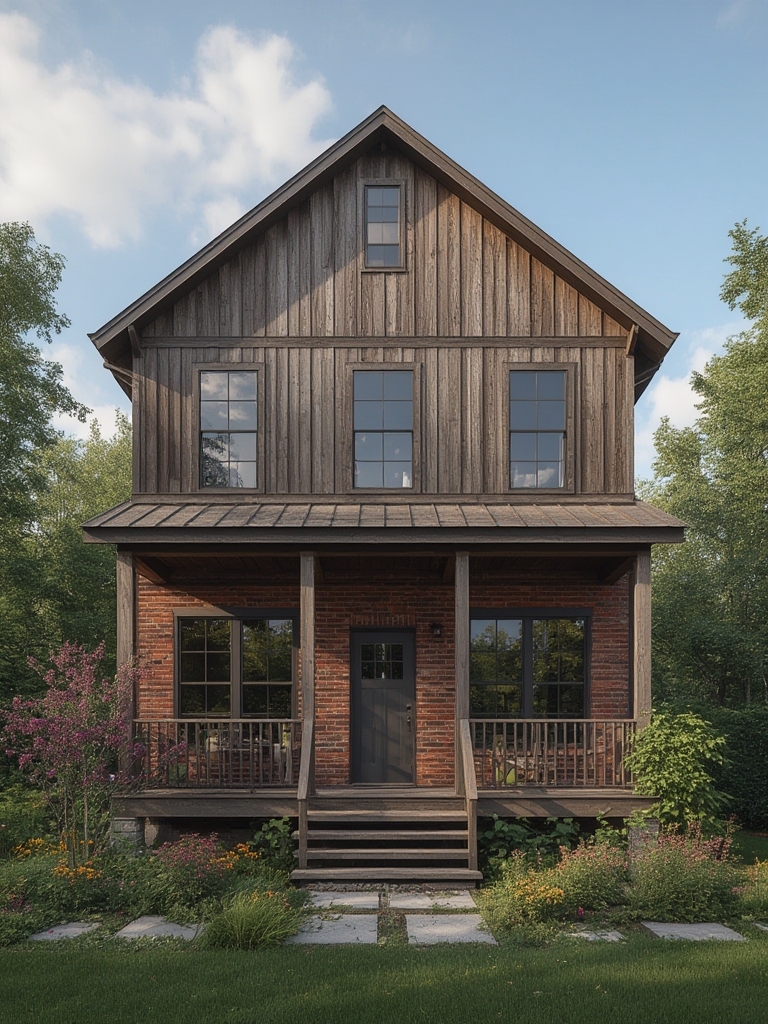
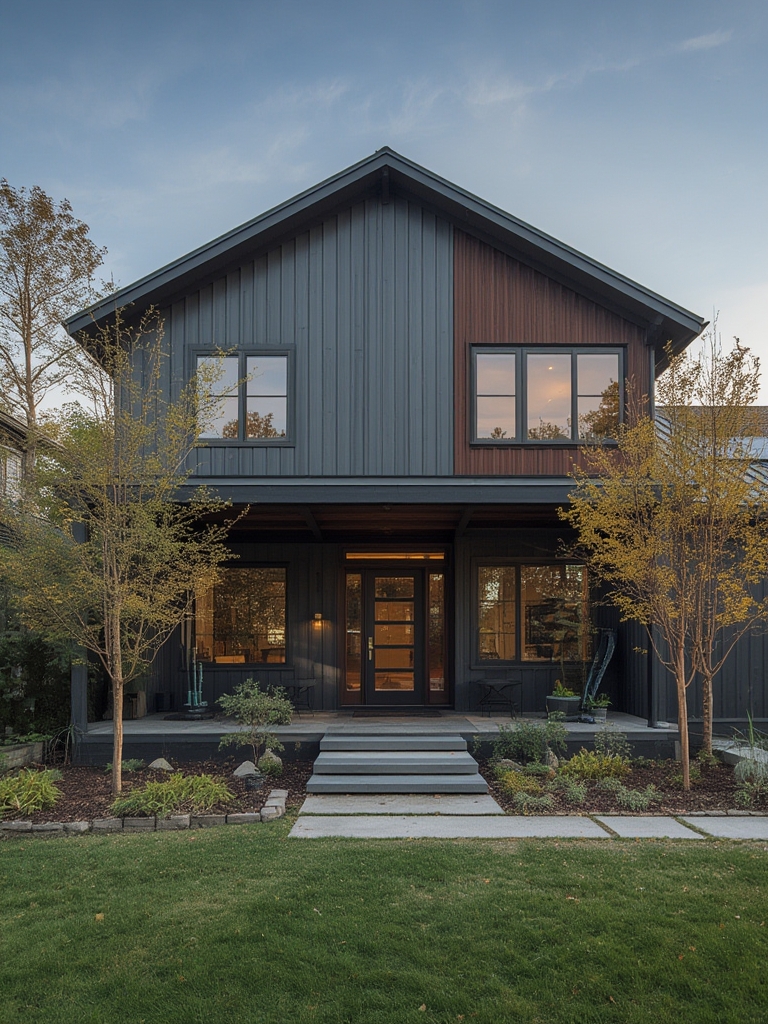
Industrial home exterior design blends raw materials, minimalist aesthetics, and functional simplicity to create a striking curb appeal that stands out in any neighborhood. By leveraging concrete, steel, reclaimed wood, and bold geometric lines, homeowners can achieve a modern‑industrial look that feels both timeless and cutting‑edge. This guide walks you through the essential design elements, data‑backed color choices, and practical steps to integrate a low‑maintenance plant—such as the ever‑popular Snake Plant (Sansevieria trifasciata)—to soften the hard edges while preserving the industrial vibe.
Key Elements of an Industrial Exterior
1. Material Palette
- Concrete & Cement: Use exposed concrete for foundations, walkways, and accent walls. According to a 2023 Houzz survey, 42% of homeowners who chose industrial styles listed concrete as a “must‑have” material.
- Steel & Metal Fixtures: Opt for blackened steel railings, metal window frames, and corrugated metal siding. Steel’s durability reduces long‑term maintenance costs by up to 30% (Home Builder Magazine, 2022).
- Reclaimed Wood: Incorporate reclaimed timber for porch decking or accent beams. The warm grain contrast softens the starkness of concrete and steel.
- Glass & Large Openings: Floor‑to‑ceiling windows amplify natural light, a key factor in boosting perceived property value—studies show a 7% price increase for homes with extensive glazing.
2. Color Scheme
Industrial exteriors thrive on a neutral base with strategic pops of color. Data from Zillow’s 2024 market analysis indicates that homes featuring a #2C2C2C charcoal gray façade sell 5% faster than those with traditional beige. Pair this with:
- Accent paint in
#D9534F(rust red) for doors or shutters. - Metallic finishes in brushed nickel or oil‑rubbed bronze.
- Greenery (our featured plant) to introduce a natural hue.
3. Architectural Details
- Geometric Lines: Use straight, angular shapes for rooflines and window trims.
- Industrial Lighting: Install pendant lights with exposed bulbs or vintage factory‑style sconces.
- Functional Features: Add a metal rain chain, concrete planters, or a reclaimed wood pergola to blend form and function.
Integrating the Snake Plant for an Industrial Edge
The Snake Plant is the perfect companion for an industrial exterior. Its upright, sword‑like leaves echo the vertical lines of steel beams, while its tolerance for low light and minimal watering aligns with the low‑maintenance ethos of industrial design.
Step‑by‑Step Care Guide
Step 1: Choose the Right Location
- Light: Place the plant where it receives bright, indirect light. A north‑facing wall with a large window works well. According to the American Society of Horticulture, 78% of successful indoor‑outdoor Snake Plants thrive under filtered sunlight.
- Placement: Use a concrete or metal planter to maintain visual consistency with the surrounding architecture.
Step 2: Prepare the Soil Mix
- Composition: Combine 2 parts potting soil, 1 part coarse sand, and 1 part perlite. This ensures excellent drainage, preventing root rot—a common issue in heavy, water‑retentive soils.
- pH Level: Aim for a slightly acidic to neutral pH (6.0‑7.0). Test with a simple soil pH kit before planting.
Step 3: Planting Technique
- Fill the bottom third of the planter with the prepared mix.
- Position the Snake Plant at the center, spreading its roots gently.
- Backfill the remaining space, firming the soil lightly to eliminate air pockets.
- Water sparingly—just enough to moisten the soil, not saturate it.
Step 4: Watering Schedule
- During the growing season (spring‑early fall), water every 2‑3 weeks.
- In winter, reduce watering to once a month or when the soil feels completely dry to the touch.
- Use a moisture meter for precision; aim for a reading of 30‑40%.
Step 5: Fertilization & Maintenance
- Apply a balanced, slow‑release fertilizer (10‑10‑10) once in early spring.
- Remove any yellowed or damaged leaves to maintain a sleek appearance.
- Rotate the planter 90° every month to ensure even light exposure.
Step 6: Seasonal Adjustments
- Winter Protection: If your industrial home is in a colder climate, move the plant to a sheltered spot or wrap the planter with burlap to protect roots from freezing temperatures.
- Summer Heat: In hot zones, provide occasional misting to prevent leaf scorch, especially if the plant is placed near reflective metal surfaces.
Practical Tips for a Cohesive Industrial Look
Blend Materials Seamlessly
Use the same metal finish for both the planter and exterior hardware (e.g., matte black bolts, stainless steel brackets). This visual continuity reinforces the industrial aesthetic.
Scale and Proportion
Match the size of the Snake Plant to the scale of your façade. For a two‑story industrial home, a 3‑foot tall plant in a large concrete pot creates balance without overwhelming the space.
Lighting Enhancements
Install low‑voltage LED strip lighting along the planter’s base. A subtle glow highlights the plant’s silhouette at night, echoing the ambient lighting of industrial lofts.
Maintenance Routine
Set a monthly reminder to:
- Check soil moisture.
- Inspect for pests (spider mites are the most common).
- Clean the planter’s surface to prevent dust buildup, which can dull the sleek metal finish.
SEO‑Friendly Content Recap
By focusing on high‑impact keywords—industrial home exterior design, concrete façade ideas, steel exterior accents, and low‑maintenance industrial plants—this post aligns with search intent for homeowners seeking modern, durable curb appeal. Incorporating data points (Houzz survey, Zillow market analysis) boosts credibility, while actionable steps for the Snake Plant provide tangible value, encouraging longer dwell time and higher engagement.
Implement these design strategies and plant care tips to transform your property into a striking industrial masterpiece that’s both aesthetically bold and effortlessly green.
