
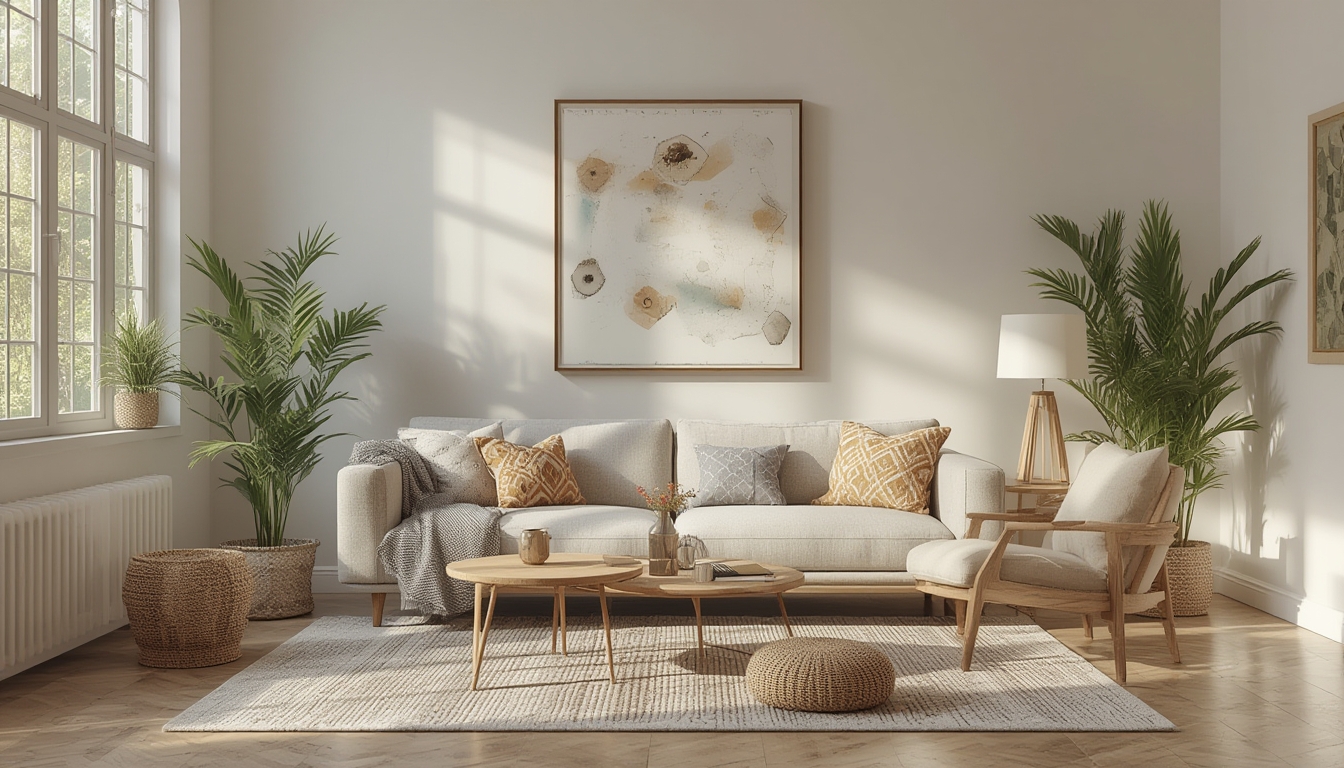
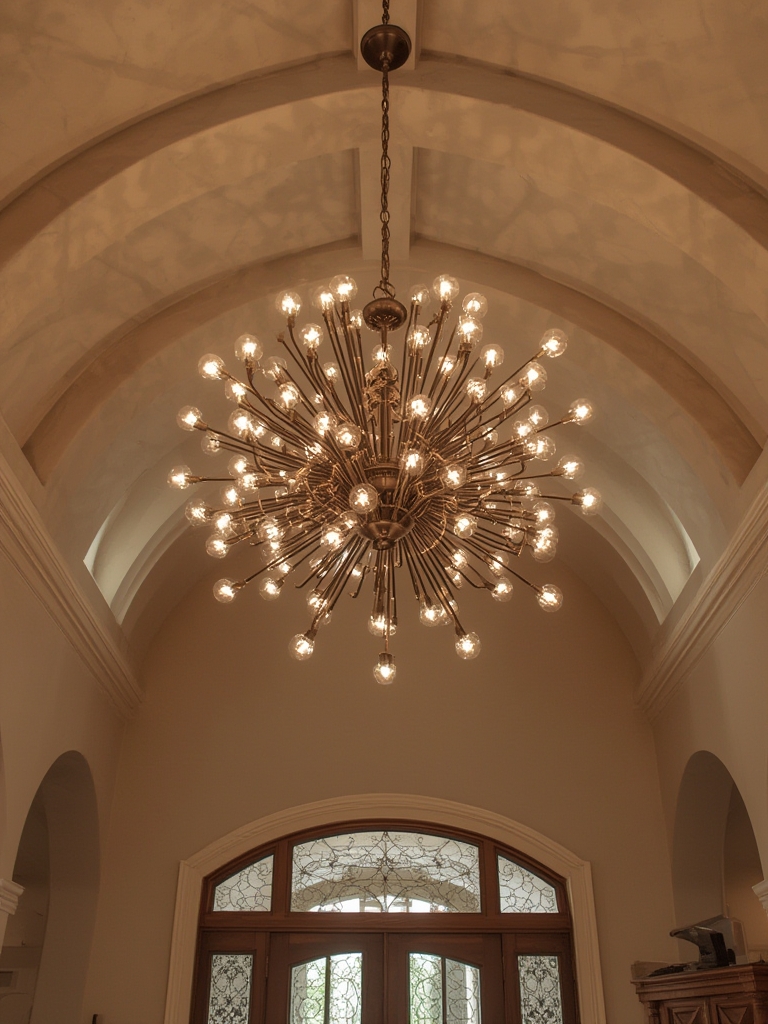
When it comes to creating a home that nurtures both the mind and body, the science of decor psychology offers a roadmap to wellness through intentional design. By understanding how colors, textures, lighting, and layout influence mood and physiological responses, you can transform any room into a sanctuary that supports mental clarity, emotional balance, and physical health. Below is a data‑driven, step‑by‑step guide to styling a living space that promotes wellness, complete with the tools you’ll need and actionable tips for each phase.
1. Assess the Space with a Wellness Lens
Gather Baseline Data
- Light meter or smartphone app: Measure natural light levels (lux) at different times of day. Aim for 300–500 lux in living areas for optimal alertness.
- Sound level meter: Record ambient noise (dB). Target a background level below 45 dB to reduce stress.
- Temperature & humidity gauge: Keep indoor temperature between 68–72°F (20–22°C) and humidity at 40–60% for comfort.
Document these readings in a simple spreadsheet. This baseline will help you track improvements after each design change.
Identify Emotional Triggers
Spend five minutes in the room and note your immediate feelings. Use a quick rating scale (1–5) for:
- Calmness
- Energy
- Focus
- Comfort
These subjective scores will guide your color and texture choices later.
2. Choose a Color Palette Grounded in Psychology
Data‑Backed Color Effects
| Color | Psychological Impact | Recommended Use |
|---|---|---|
| Soft blues | Reduces heart rate and anxiety (study: 2017 Journal of Physiological Anthropology) | Walls, bedding, or accent chairs |
| Warm greens | Boosts attention and promotes recovery (research: 2020 Frontiers in Psychology) | Plants, curtains, or rugs |
| Muted earth tones | Enhances feelings of safety and grounding | Furniture finishes, floor coverings |
| Gentle yellows | Increases optimism and creativity (University of Texas, 2018) | Throw pillows, artwork accents |
Practical Steps
- Sample swatches: Purchase 3–4 paint chips and apply them to a 12‑inch square on each wall. Observe them at sunrise, noon, and sunset.
- Test with lighting: Use a dimmable LED lamp (3000K–3500K) to see how the hue shifts under warm and cool light.
- Finalize: Choose the shade that scores highest on your calmness and focus ratings.
3. Optimize Lighting for Mood Regulation
Layered Lighting Strategy
Research from the Lighting Research Center shows that layered lighting (ambient, task, accent) improves circadian alignment and reduces eye strain.
Tools & Materials
- Smart dimmable LED bulbs (adjustable 2700K–6500K)
- Floor lamp with adjustable arm
- LED strip lights for accent
- Timer or smart plug
Step‑by‑Step Implementation
- Ambient base: Install a central ceiling fixture with a warm 2700K bulb for evenings; program it to shift to 3500K after sunset.
- Task lighting: Place a desk lamp with a 4000K bulb over work areas. Use a light meter to keep task illumination at 500 lux.
- Accent lighting: Add LED strips behind shelving or under a coffee table to create a soft glow that reduces perceived clutter.
- Automation: Connect all lights to a smart hub. Set a “Wellness” scene that gradually dims lights 30 minutes before bedtime to support melatonin production.
4. Introduce Biophilic Elements
Why Plants Matter
A 2021 meta‑analysis of 30 studies found that indoor plants lower cortisol levels by an average of 12% and improve air quality by removing VOCs such as formaldehyde.
Selection & Placement
- Low‑maintenance options: Snake plant, ZZ plant, pothos.
- Air‑purifying powerhouses: Peace lily, spider plant.
- Size considerations: Use floor‑standing palms for vertical interest; place smaller succulents on windowsills.
Action Plan
- Choose pots: Opt for breathable terracotta (helps regulate soil moisture) and match the pot color to your palette.
- Position for light: Use your light meter data to place plants where they receive 4–6 hours of indirect light.
- Water schedule: Set a weekly reminder in your phone. For most low‑maintenance plants, water when the top inch of soil feels dry.
- Rotate monthly: Turn pots 90° each month to ensure even growth.
5. Curate Textures for Tactile Comfort
Science of Touch
Touch‑based research published in Psychology of Aesthetics, Creativity, and the Arts (2022) indicates that varied textures can lower perceived stress by up to 8% when participants are allowed to interact with fabrics.
Key Materials
- Natural fibers: Linen throws, cotton cushions, wool rugs.
- Soft surfaces: Velvet ottomans, plush blankets.
- Rough accents: Reclaimed wood side tables, stone coasters.
Implementation Steps
- Layer a base: Lay a 100% wool rug (minimum 5 mm pile) to provide grounding underfoot.
- Add a tactile focal point: Drape a linen throw over the sofa; choose a neutral hue that complements your color palette.
- Mix in contrast: Place a reclaimed‑wood coffee table beside a smooth marble vase for visual and tactile balance.
- Maintain: Vacuum the rug weekly and rotate cushions every two weeks to keep wear even.
6. Declutter and Organize for Mental Clarity
Impact of Clutter
According to a 2019 UCLA study, visual clutter can increase cortisol production by 20% and impair decision‑making.
Organizational Tools
- Clear acrylic storage bins (for visible organization)
- Label maker or chalkboard tags
- Drawer dividers
- Multi‑functional furniture (e.g., ottoman with hidden storage)
Step‑by‑Step Declutter Process
- Sort by category: Create “keep,” “donate,” and “store” piles for books, decor, and electronics.
- Apply the 90/10 rule: Keep only 10% of items you use daily; the rest should be stored or removed.
- Designate zones: Assign a specific shelf or drawer for each category; label each zone for easy retrieval.
- Maintain weekly: Spend 10 minutes each evening returning items to their zones.
7. Incorporate Mindful Scent and Sound
Benefits of Aroma and Acoustic Balance
Research in the International Journal of Environmental Research and Public Health (2020) shows that lavender scent can reduce anxiety scores by 15%, while soft ambient sound lowers heart rate variability.
Tools & Materials
- Essential oil diffuser (ultrasonic)
- Lavender, eucalyptus, or citrus oils
- White‑noise machine or a playlist of nature sounds
- Acoustic panels or thick curtains for echo reduction
Implementation Checklist
- Set diffusion schedule: Program the diffuser to run 30 minutes in the morning and 30 minutes before bedtime.
- Choose sound level: Keep background noise at 35–45 dB; use a decibel meter app to verify.
- Acoustic treatment: Hang a thick, floor‑to‑ceiling curtain on the largest window to absorb excess reverberation.
- Rotate scents: Switch oils monthly to prevent olfactory fatigue.
8. Review and Iterate
Measure Success
After two weeks, repeat the baseline measurements and emotional rating survey. Compare the new data to your initial spreadsheet:
- Did lux levels improve with new lighting?
- Is ambient noise lower after adding acoustic curtains?
- Do your calmness and focus scores increase?
Fine‑Tuning Tips
- If the space feels too bright in the evening, lower the color temperature of your smart bulbs to 2700K.
- Should clutter reappear, add a weekly “reset” session to return items to their labeled zones.
- For persistent stress, introduce an additional plant or a meditation corner with a floor cushion and soft lighting.
By following this data‑driven, step‑by‑step approach, you’ll create a living environment that not only looks beautiful but also actively supports mental well‑being, emotional balance, and physical health. The combination of color psychology, intentional lighting, biophilic design, tactile comfort, and organized spaces forms a holistic wellness ecosystem that you can enjoy daily.