
Understanding the link between interior design and mental well‑being can transform any space from a simple room into a therapeutic sanctuary. Research shows that colors, textures, lighting, and layout directly affect stress levels, focus, and overall mood. This guide walks you through a data‑driven, step‑by‑step process to style your home using decor psychology principles that promote wellness. Follow each phase, gather the recommended tools, and apply the actionable tips to see measurable improvements in your daily life.
Phase 1: Assess Your Space with a Wellness Audit
Tools Needed
- Notebook or digital note‑taking app
- Measuring tape
- Smartphone camera
- Light meter app (optional)
Actionable Steps
- Measure and map. Record the dimensions of walls, windows, and furniture. Sketch a simple floor plan to visualize traffic flow.
- Capture baseline photos. Take wide‑angle shots of each room. These images will help you compare before and after results.
- Identify stress triggers. Note any clutter hotspots, harsh lighting, or noisy zones. Research from the University of Michigan links visual clutter to increased cortisol, a stress hormone.
- Set wellness goals. Decide whether you want to boost focus (home office), encourage relaxation (bedroom), or foster social connection (living area). Write one measurable goal per room, e.g., “Reduce perceived noise level by 30% in the living room.”
Phase 2: Choose a Color Palette Based on Psychological Impact
Data‑Backed Color Insights
- Blue (cool tones): Lowers heart rate and improves concentration. Ideal for workspaces.
- Green (nature hues): Reduces anxiety and promotes a sense of balance. Works well in bedrooms and meditation corners.
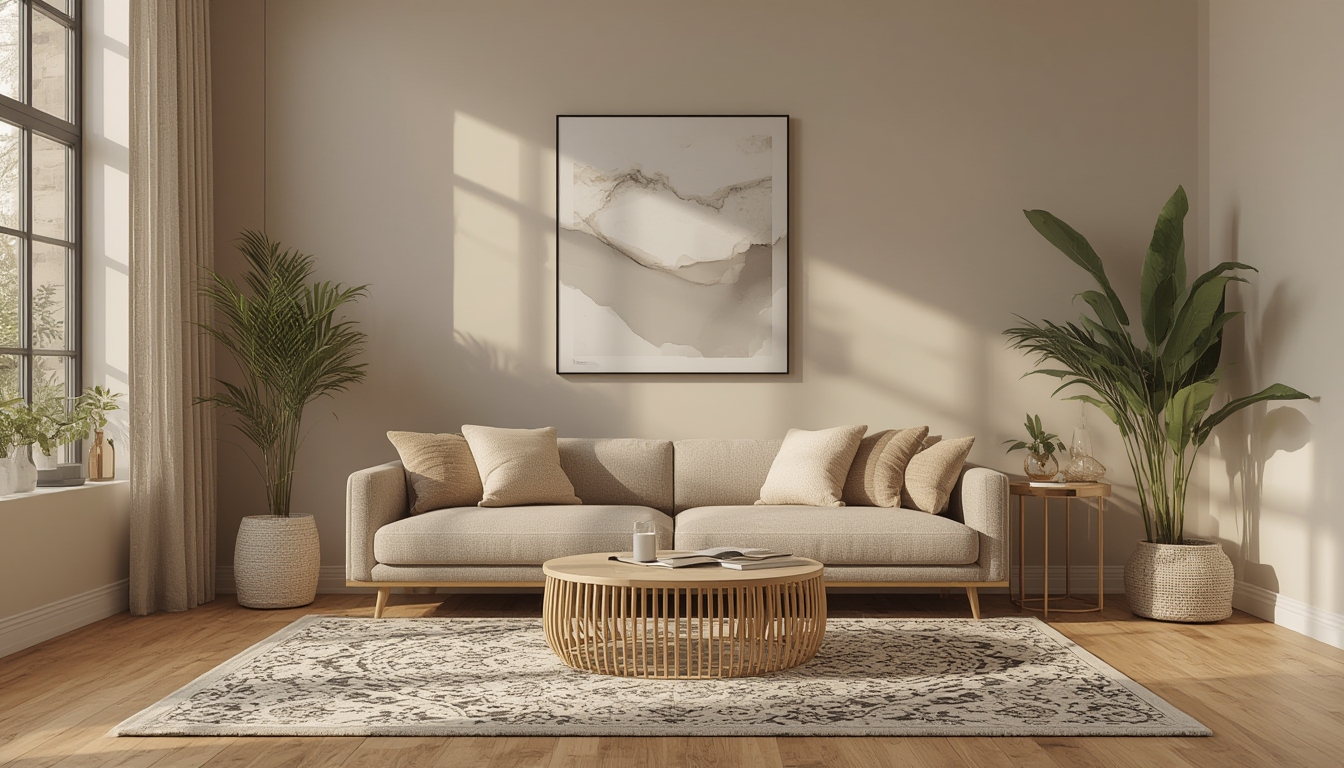
- Warm neutrals (beige, soft taupe): Provide comfort without overstimulation, perfect for living rooms.
- Accent reds or oranges: Stimulate energy but should be limited to <10% of the room to avoid agitation.
Tools Needed
- Color swatch samples or digital palette generator
- Painter’s tape
- Sample paint cans (2‑oz)
Actionable Steps
- Test small patches. Paint 2‑inch squares on three different walls using your chosen hues. Live with them for 48 hours to gauge emotional response.
- Measure light reflectance. Use a light meter app to ensure the chosen colors maintain a luminance level of 300–500 lux for optimal eye comfort.
- Finalize the palette. Select a dominant color (60%), a secondary color (30%), and an accent (10%). Record the exact paint codes for future reference.
Phase 3: Optimize Lighting for Mood Regulation
Scientific Lighting Guidelines
Studies from the Lighting Research Center indicate that blue‑enriched light during the morning boosts alertness, while warm amber light in the evening supports melatonin production and better sleep.
Tools Needed
- Smart LED bulbs (adjustable color temperature)
- Dimmer switches
- Floor lamp with a diffuser
- Light meter (optional)
Actionable Steps
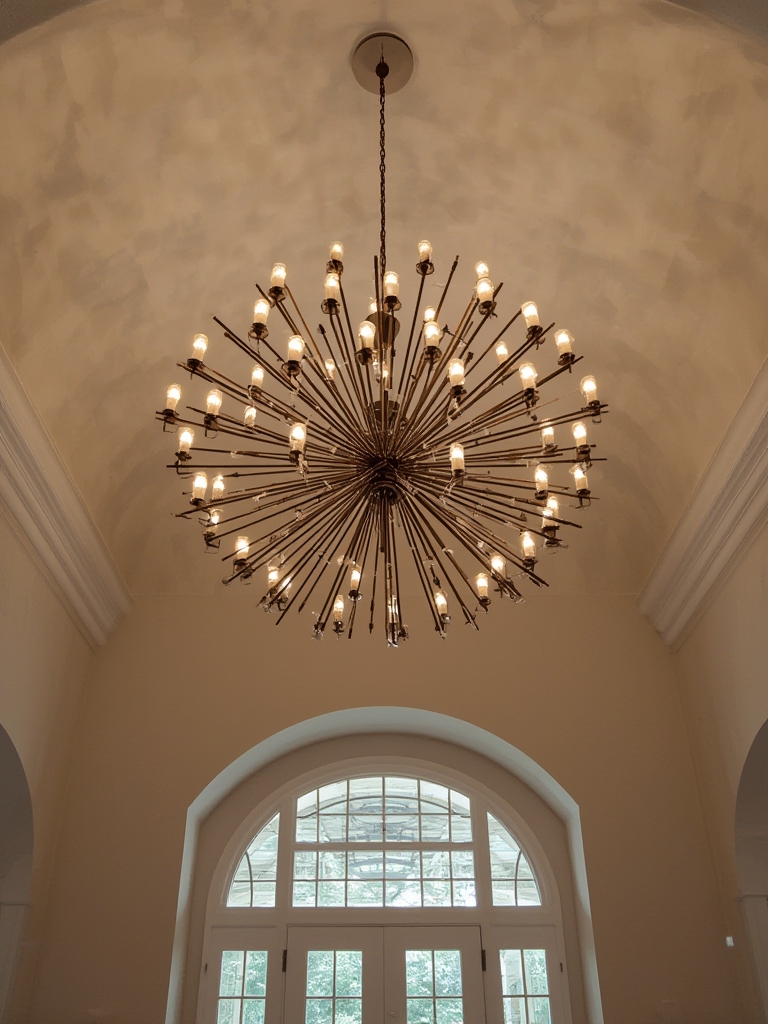
- Install smart bulbs. Replace existing fixtures in each room with programmable LEDs. Set a schedule: 5000 K (cool) from 7 am–9 am, 3000 K (neutral) from 9 am–6 pm, and 2700 K (warm) after 6 pm.
- Add task lighting. Place a desk lamp with a focused beam over work areas to reduce eye strain.
- Use dimmers. Install dimmer switches in living and bedroom spaces to gradually lower light intensity, signaling the brain to prepare for rest.
- Measure ambient levels. Aim for 300–500 lux in shared spaces and 150–200 lux in relaxation zones.
Phase 4: Introduce Biophilic Elements to Reduce Stress
Why Nature Matters
Biophilic design—integrating natural elements—has been shown to lower blood pressure by up to 7% (University of Queensland). Plants, natural wood, and water features create a restorative environment.
Tools Needed
- Potting soil and drainage trays
- Medium‑size indoor plants (e.g., snake plant, pothos, peace lily)
- Wall‑mounted planters or hanging macramé holders
- Wooden furniture or reclaimed timber accents
Actionable Steps
- Select low‑maintenance plants. Choose species that thrive in low light and require weekly watering.
- Position for visual access. Place a plant within 1–2 meters of eye level to maximize the calming effect.
- Incorporate natural textures. Add a reclaimed wood coffee table or a bamboo rug to reinforce the nature theme.
- Maintain health. Set a reminder to prune dead leaves and rotate pots every month for even growth.
Phase 5: Arrange Furniture for Flow and Safety
Layout Principles
According to the “F‑shape” traffic pattern study, people naturally move in a clockwise loop around a room. Align furniture to support this flow, reducing collision risk and mental fatigue.
Tools Needed
- Furniture sliders or felt pads
- Measuring tape
- Level
Actionable Steps
- Map the traffic loop. Using your floor plan, draw a 1‑meter wide pathway that circles the room. Ensure no furniture blocks this route.
- Place anchor pieces. Position the largest item (sofa, bed) against the wall opposite the main entrance to create a visual focal point.
- Maintain clearance. Keep at least 60 cm between seating and coffee tables for easy movement.
- Level and secure. Use a level to ensure all pieces sit flat; add felt pads to prevent wobble and protect floors.
Phase 6: Add Personal Touches that Reinforce Positive Associations
Psychology of Personal Objects
Research from the Journal of Environmental Psychology indicates that displaying meaningful items (photos, artwork, souvenirs) can increase feelings of belonging and reduce loneliness by up to 15%.
Tools Needed
- Picture frames (various sizes)
- Wall‑mount hooks or adhesive strips
- Curated photo selection
Actionable Steps
- Select uplifting images. Choose photos that evoke joy—family gatherings, travel moments, or nature scenes.
- Arrange a gallery wall. Use a 60 cm grid layout to maintain visual harmony. Hang frames at eye level (approximately 150 cm from the floor).
- Rotate seasonally. Swap out a few pieces every three months to keep the environment fresh and aligned with changing moods.
Phase 7: Evaluate Results and Fine‑Tune
Metrics for Wellness Success
- Stress rating: Use a simple 1‑10 scale each morning for a week. Aim for a reduction of at least 2 points.
- Sleep quality: Track hours slept and wake‑up freshness using a sleep app. Look for a 15‑minute improvement in total sleep time.
- Productivity: Record the number of focused work sessions (≥25 minutes) per day. Target a 10% increase.
Tools Needed
- Journal or digital tracker
- Sleep tracking app
- Timer (e.g., Pomodoro timer)
Actionable Steps
- Collect baseline data. Record the three metrics for one week before any changes.
- Implement the design. Follow Phases 1‑6 fully.
- Re‑measure after two weeks. Compare the new data to baseline. Identify which elements contributed most to improvement.
- Adjust as needed. If stress remains high, consider adding more soft textiles or reducing visual clutter further.
By systematically applying decor psychology backed by scientific data, you can transform any room into a wellness‑focused haven. The steps above are designed to be repeatable, measurable, and adaptable to different living situations. Start with the audit, follow the sequence, and watch your environment—and your well‑being—elevate together.