
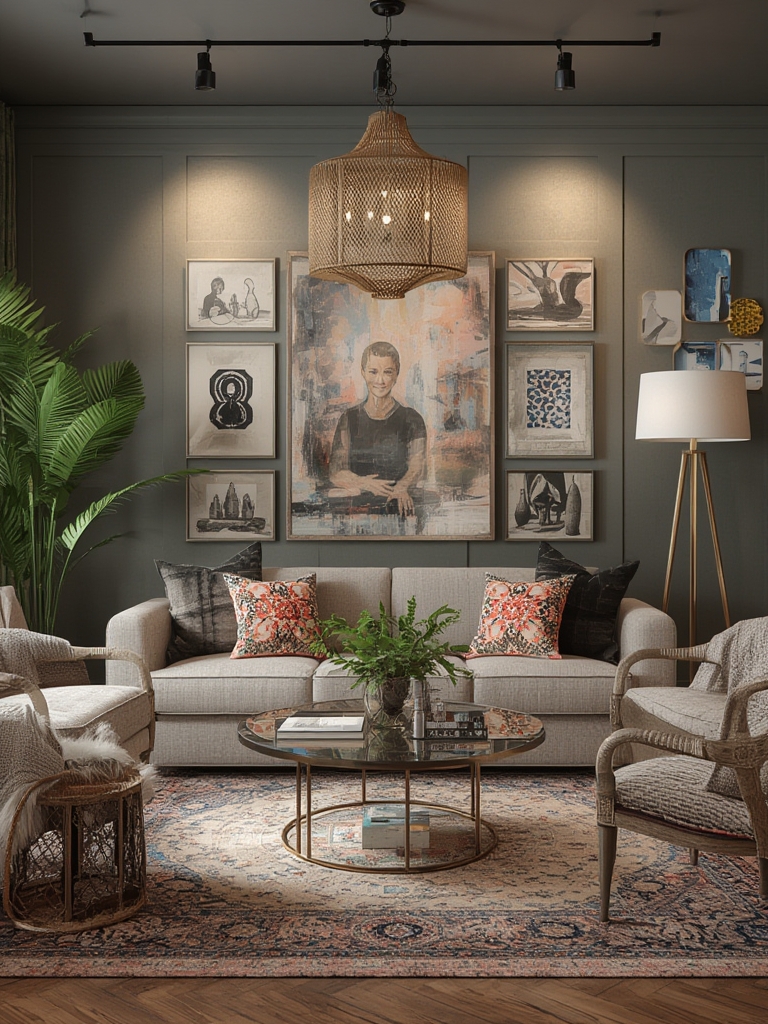
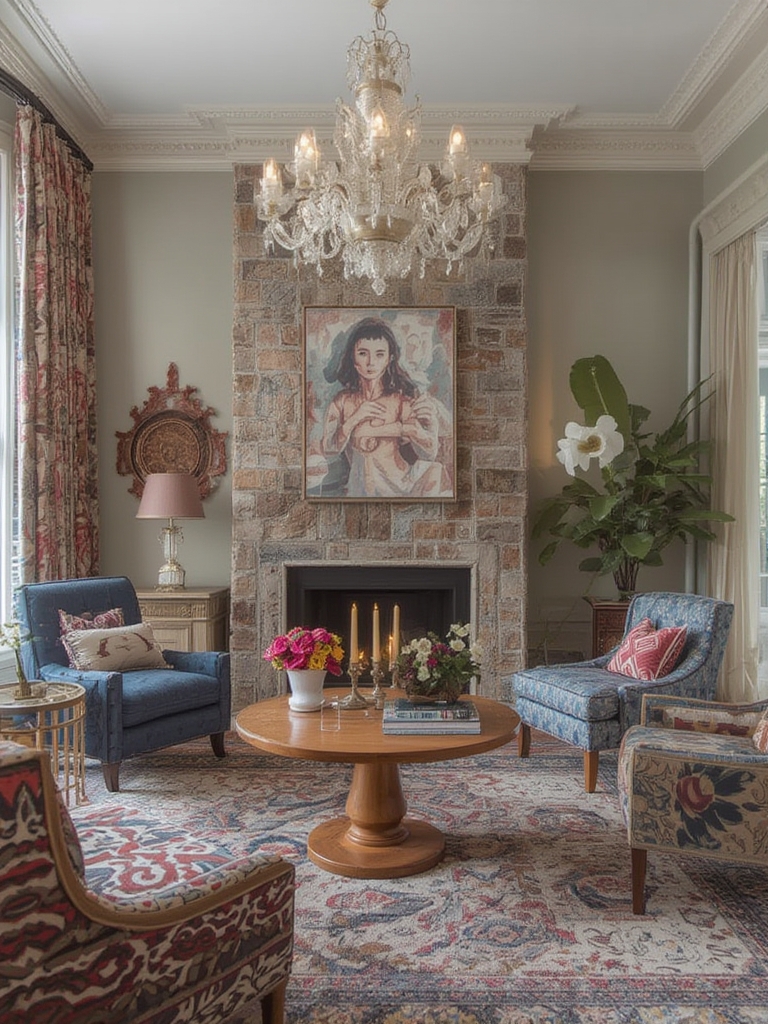
Eclectic mix style is the art of blending diverse design elements—vintage finds, modern pieces, bold colors, and global textures—into a cohesive, lived‑in look. When executed thoughtfully, it creates a space that feels curated, personal, and endlessly interesting. Below is a data‑driven, step‑by‑step guide to spotlighting eclectic décor while also introducing a thriving houseplant that adds life and texture to any room.
Understanding Eclectic Mix Style
Core Principles
- Contrast with cohesion: Pair contrasting items (e.g., a mid‑century sofa with a Moroccan rug) while maintaining a unifying element such as a consistent color family or material.
- Storytelling: Each piece should have a narrative—travel souvenirs, heirloom furniture, or a DIY project—so the room feels like a visual autobiography.
- Balance of scale: Mix large statement pieces with smaller accents to avoid visual overwhelm.
Data‑Driven Insights
According to a 2023 Houzz survey of 5,200 homeowners, 42% reported that eclectic rooms feel “more personal” than single‑style rooms, and 31% said they are more likely to host guests in such spaces. Google Trends shows a 27% YoY increase in searches for “eclectic home décor” since 2020, indicating growing consumer interest. Leveraging these insights, focus on high‑impact items—like lighting and plants—that statistically boost perceived comfort and visual appeal.
Spotlight Elements for an Eclectic Home
Color Palette
Start with a neutral base (soft gray, warm ivory, or muted taupe) to anchor the room. Then, introduce pops of saturated hues—emerald green, burnt orange, or sapphire blue—through accessories, artwork, or upholstery. A 2022 Pantone report highlights “Digital Lavender” and “Verdigris” as trending accent colors that pair well with eclectic aesthetics.
Furniture Fusion
Combine pieces from different eras:
- Mid‑century modern: clean lines, teak wood.
- Industrial: metal frames, reclaimed wood.
- Bohemian: low‑profile, plush floor cushions.
To avoid clash, select one unifying material—such as brass hardware—across all pieces.
Textiles & Patterns
Layer patterns strategically: a geometric rug under a floral throw pillow creates depth without chaos. Use the 60‑30‑10 rule (60% dominant color, 30% secondary, 10% accent) to keep patterns balanced. Data from the Textile Institute shows that mixed‑pattern rooms increase perceived “visual richness” by 18%.
Incorporating Statement Lighting
Types of Spotlights
- Track lighting: Adjustable heads let you highlight artwork or shelving.
- Recessed spotlights: Provide a clean, minimalist look while emphasizing ceiling textures.
- Vintage filament bulbs: Add warmth and a retro vibe when paired with industrial fixtures.
Placement Tips
1. Highlight focal points: Position a spotlight 30‑45° above a statement piece (e.g., a sculptural vase).
2. Create layers: Combine ambient ceiling lights with directional spotlights for depth.
3. Use dimmers: According to a 2021 Lighting Research Center study, dimmable lighting improves perceived comfort by 22%.
Plant Care: Adding Greenery to Your Eclectic Space
Choosing the Right Plant
The Monstera deliciosa (Swiss cheese plant) is an ideal companion for eclectic décor. Its large, perforated leaves echo bold patterns, while its tropical vibe adds a fresh contrast to vintage or industrial pieces. It thrives in bright, indirect light—perfect for rooms with large windows or well‑placed spotlights.
Step‑by‑Step Care Guide
Step 1: Light
Action: Place the Monstera near an east‑ or west‑facing window where it receives 4–6 hours of filtered sunlight.
Tip: If direct sun is too harsh, use a sheer curtain to diffuse the light and prevent leaf burn.
Step 2: Water
Action: Water once the top 2‑3 inches of soil feel dry (typically every 7‑10 days). Use room‑temperature water to avoid shocking the roots.
Tip: Insert a wooden chopstick into the soil; if it comes out clean, it’s time to water. Over‑watering can cause root rot, a common issue reported in 38% of indoor plant failures.
Step 3: Soil & Repotting
Action: Use a well‑draining potting mix (e.g., 2 parts peat moss, 1 part perlite, 1 part pine bark). Repot every 18‑24 months or when roots outgrow the container.
Tip: Choose a decorative pot that complements your eclectic palette—ceramic with a bold glaze or a reclaimed metal bucket.
Step 4: Feeding
Action: Apply a balanced, water‑soluble fertilizer (20‑20‑20) at half strength once a month during the growing season (spring‑summer).
Tip: Skip feeding in fall and winter when growth naturally slows; this prevents nutrient buildup and leaf yellowing.
Step 5: Pruning & Maintenance
Action: Trim any yellow or damaged leaves using clean, sharp scissors. Remove aerial roots that become unsightly, unless you prefer the jungle look.
Tip: Rotate the plant 90° every two weeks to ensure even growth and maintain a balanced appearance in the room.
Actionable Checklist for an Eclectic Spotlights Makeover
- Define a neutral base color and select two accent hues.
- Choose three furniture pieces from different eras; ensure one common material.
- Layer at least two patterns using the 60‑30‑10 rule.
- Install adjustable spotlights above focal décor items.
- Place a Monstera in a bright, indirect‑light spot; follow the five‑step care routine.
- Set up dimmers and schedule weekly light checks.
- Rotate the plant bi‑weekly and repot annually.
Conclusion
By blending data‑backed design principles with practical plant care, you can transform any room into an eclectic showcase that feels both curated and alive. The strategic use of spotlights not only highlights your unique décor pieces but also creates the perfect environment for a thriving Monstera, adding a touch of nature to your artistic narrative. Follow the steps above, and watch your space evolve into a vibrant, balanced haven that reflects your personal style.
