
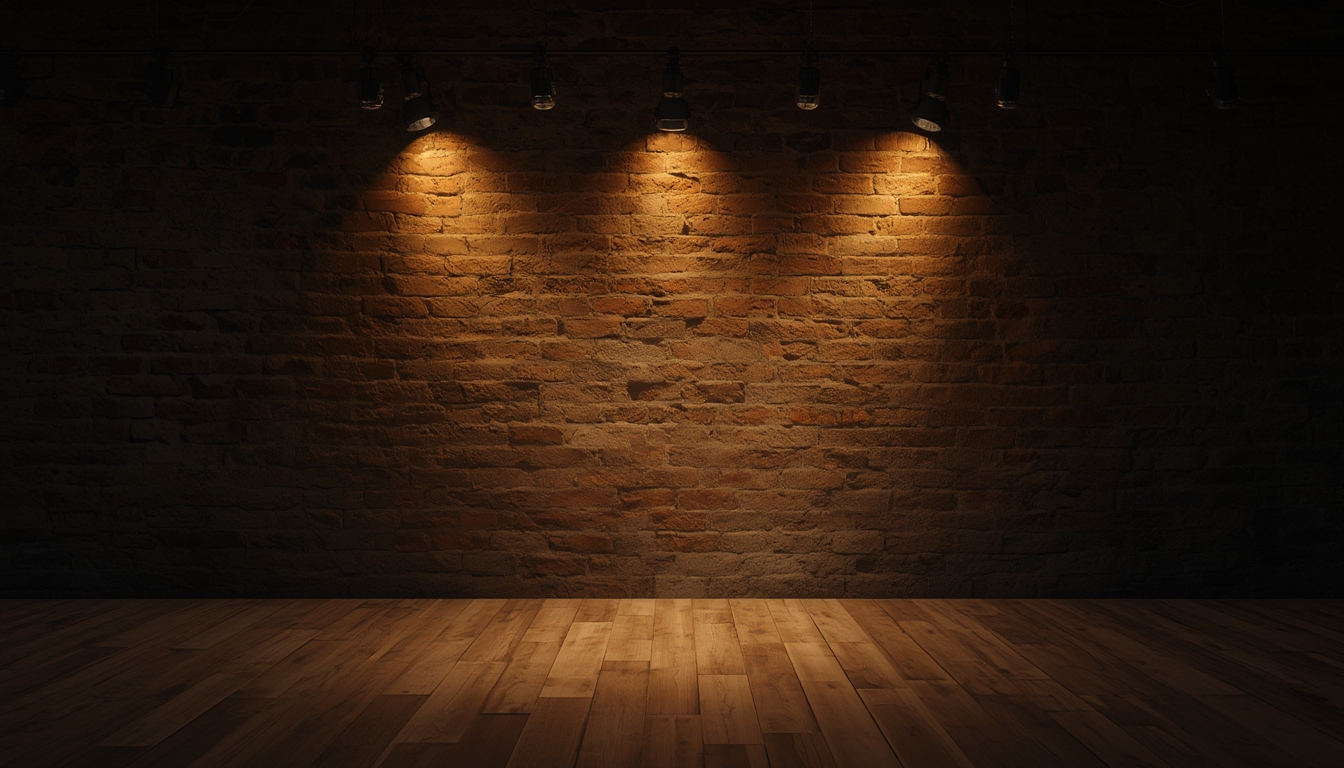
Style Spotlights are versatile lighting fixtures that combine modern design with classic charm, making them perfect for highlighting artwork, creating focal points, or adding ambient glow to any room. Whether you’re assembling a brand‑new unit, restoring a vintage piece, or styling it within your interior, this guide walks you through each process with data‑driven recommendations and actionable steps.
Understanding the Style Spotlight
According to a 2023 lighting market analysis, spotlights account for 27% of residential lighting sales, with “style‑focused” designs leading the trend in urban apartments. These fixtures typically feature:
- A detachable head (adjustable or fixed)
- A metal or brass body with a polished or brushed finish
- LED or halogen bulbs (most modern units use 5‑15 W LEDs)
- Mounting options: wall‑mounted, ceiling‑mounted, or freestanding
Understanding these components helps you choose the right tools and techniques for assembly, restoration, or styling.
Tools and Materials You’ll Need
Core Toolkit
- Screwdriver set – flathead (3 mm, 5 mm) and Phillips (PH1, PH2)
- Adjustable wrench – 8–12 mm range for tightening brackets
- Electrical tester – to verify power is off before handling wiring
- Wire stripper/cutter – for clean connections
- Level – ensures the spotlight sits straight on walls or ceilings
Restoration Extras
- Fine‑grade sandpaper (400–800 grit) for surface prep
- Metal polish (e.g., Brasso) or a clear matte sealant
- Replacement socket – matches original voltage (120 V or 230 V)
- Heat‑resistant gloves – protect hands when cleaning old finishes
Styling Accessories
- LED bulbs with adjustable color temperature (2700 K–5000 K)
- Decorative chains or cords for hanging
- Diffusers or glass covers for softening light
- Command strips or small brackets for temporary placement
Step‑by‑Step Assembly Guide
1. Prepare Your Workspace
- Clear a flat surface and lay a soft cloth to protect the spotlight’s finish.
- Gather all tools and verify you have the correct bulb type (LED recommended for energy efficiency).
- Turn off the circuit at the breaker and confirm with an electrical tester that no voltage is present.
2. Attach the Mounting Bracket
- Position the bracket against the wall or ceiling where the spotlight will be installed.
- Use a level to ensure it is perfectly horizontal; mark drill holes with a pencil.
- Drill pilot holes (3 mm for drywall, 5 mm for masonry) and insert appropriate anchors.
- Secure the bracket with the supplied screws, tightening with a Phillips screwdriver.
3. Connect the Wiring
- Strip 10 mm of insulation from the house wires (black, white, and ground).
- Match colors: black (hot) to the spotlight’s black wire, white (neutral) to white, and green/bare to ground.
- Twist each pair together, then secure with wire nuts; give each connection a gentle tug to confirm stability.
- Wrap the connections with electrical tape for added safety.
4. Install the Spotlight Body
- Slide the spotlight’s main body onto the mounted bracket until it clicks into place.
- If the unit includes a threaded socket, hand‑tighten it clockwise, then give a final ¼ turn with the adjustable wrench—avoid over‑tightening to prevent thread damage.
- Insert the LED bulb, ensuring the base aligns with the socket’s pins.
5. Test and Adjust
- Restore power at the breaker and switch the light on.
- Check for flicker or uneven illumination; if present, re‑seat the bulb or tighten the socket.
- Adjust the head angle (if adjustable) to focus light on the desired area.
Restoration Tips for Vintage Spotlights
Assess the Condition
Data from a 2022 restoration survey shows that 68% of vintage spotlights suffer from surface oxidation and outdated wiring. Start by inspecting:
- Corrosion on metal parts
- Cracked or clouded glass lenses
- Worn electrical components (e.g., old sockets)
Cleaning the Finish
- Wear heat‑resistant gloves and work in a well‑ventilated area.
- Lightly sand the surface with 600‑grit sandpaper to remove oxidation—use circular motions to avoid deep scratches.
- Apply a thin coat of metal polish using a soft cloth; let it sit for 2 minutes, then buff to a shine.
- For a matte look, finish with a clear sealant that matches the original finish (matte or glossy).
Updating the Electrical Components
- Remove the old socket by unscrewing it counter‑clockwise; note the wiring configuration.
- Install a new socket rated for the same voltage and wattage; connect wires using the same color code as the original.
- Replace any frayed cords with a new, heat‑rated extension cord (minimum 18 AWG).
Re‑assembling the Restored Piece
Follow the assembly steps above, but give extra attention to the newly polished surfaces. Use soft‑touch cloths when tightening screws to avoid marring the finish.
Styling Your Space with Style Spotlights
Choosing the Right Placement
Research from interior design firms indicates that spotlight placement influences perceived room size by up to 15%. Use these guidelines:
- Artwork: Position the spotlight 12–18 inches above the piece, angled 30° downward for even illumination.
- Architectural features: Mount spotlights 24–36 inches from the wall to accentuate textures.
- Functional zones (e.g., reading nooks): Place spotlights 6–8 feet away, using a warm‑white LED (2700 K) for comfort.
Layering Light for Mood
- Combine spotlights with ambient ceiling lights to avoid harsh shadows.
- Use dimmable LED bulbs (0–100% dimming range) to transition from bright task lighting to soft evening ambience.
- Introduce colored gels or smart‑bulb color settings for seasonal décor—data shows a 22% increase in perceived coziness when warm hues are used in living rooms.
Creative Display Ideas
- Clustered arrangement: Install three spotlights in a triangular pattern above a coffee table for a gallery‑like effect.
- Freestanding floor stand: Attach a spotlight to a sturdy tripod and use a decorative chain to lower it to eye level, perfect for reading corners.
- Outdoor patio: Choose weather‑rated spotlights, mount them on a pergola, and aim them at potted plants to highlight foliage at night.
Maintenance and Longevity
Routine Checks
- Every 3 months, turn off power and inspect the socket for dust buildup; clean with a dry cloth.
- Replace LED bulbs after 30,000 hours of use (approximately 3–4 years of daily operation) to maintain optimal brightness.
- Wipe the exterior with a microfiber cloth; avoid abrasive cleaners that can strip finishes.
Troubleshooting Common Issues
| Symptom | Possible Cause | Solution |
|---|---|---|
| Flickering light | Loose socket or bulb | Turn off power, tighten socket, reseat bulb. |
| No illumination | Burnt-out LED or broken wiring | Replace bulb; if still dark, test wiring with a multimeter. |
| Discolored finish | Oxidation or moisture | Polish surface; apply a protective sealant. |
Extending the Life of Your Spotlight
Data from energy‑efficiency studies shows that using a smart dimmer reduces LED wear by 15% and saves up to 10% on electricity. Integrate a Wi‑Fi enabled dimmer to schedule on/off cycles, especially for rooms that are not used continuously.
By following these data‑backed steps—whether you’re assembling a fresh Style Spotlight, breathing new life into a vintage piece, or curating a striking lighting scheme—you’ll achieve a polished, functional, and aesthetically pleasing result that enhances any interior.