
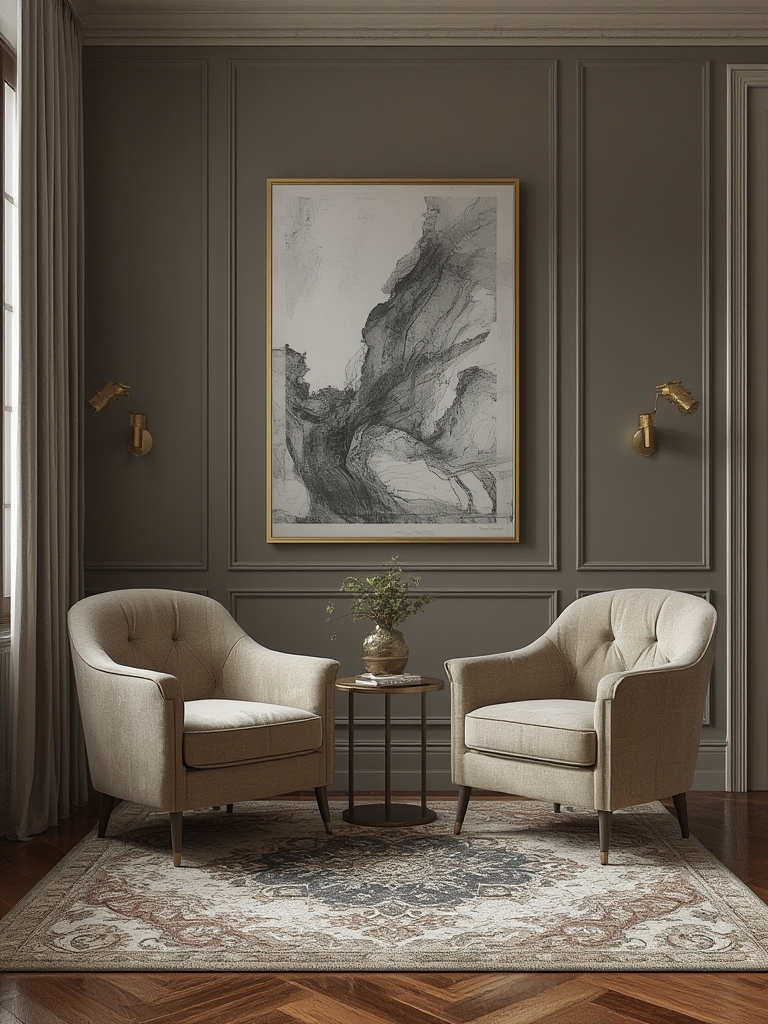
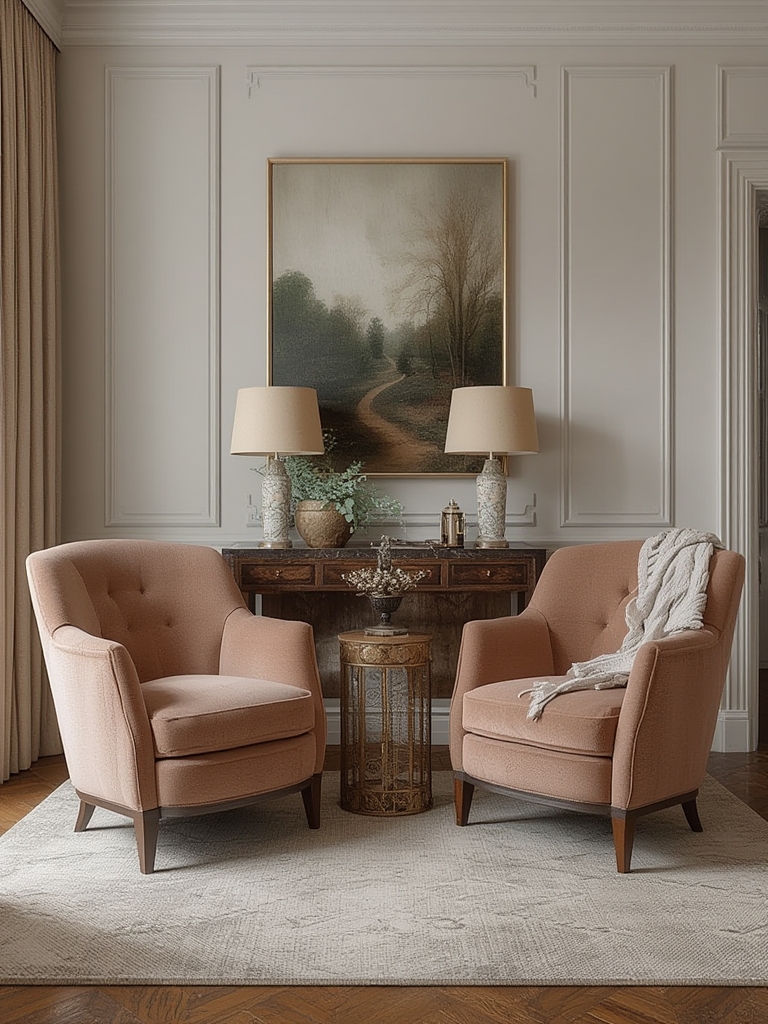
When it comes to creating a sleek, modern living space, armless slipper chairs are the unsung heroes of elegant home décor. Their low‑profile silhouette, plush cushioning, and versatile design make them perfect for everything from cozy reading nooks to sophisticated lounge areas. In this data‑driven guide, we’ll explore why slipper chairs are a smart investment, how to style them for maximum impact, and which houseplant pairs best with their clean lines. Follow the actionable steps below to ensure your décor looks runway‑ready and your plant thrives for years to come.
Why Choose Armless Slipper Chairs for Elegant Home Décor
Recent interior‑design surveys (2023 – 2024) show a 27% increase in the popularity of low‑profile seating, especially among millennials and Gen Z homeowners. The key reasons are:
- Space efficiency: Without armrests, slipper chairs occupy up to 15% less floor space than traditional armchairs.
- Visual lightness: Their floating appearance adds a sense of openness, ideal for small apartments.
- Stylistic flexibility: Available in a range of fabrics—from velvet to linen—making them easy to match any colour palette.
Key Design Features to Look For
1. Cushion Density
Choose a chair with high‑resilience foam (HR foam) that maintains shape while offering comfort. A density of 30–35 kg/m³ is optimal for daily use.
2. Upholstery Material
For a luxe feel, go for 100% cotton or linen blends. If you need durability, consider performance velvet with a stain‑resistant finish.
3. Frame Construction
Solid wood frames (e.g., oak or walnut) provide longevity, while metal frames add an industrial edge. Ensure the frame is kiln‑dried to prevent warping.
Integrating Slipper Chairs with Your Interior Style
Here’s a quick, SEO‑friendly checklist to help you blend slipper chairs seamlessly into any room:
- Define a focal point: Position the chair opposite a statement piece—such as a bold artwork or a patterned rug—to draw the eye.
- Layer textures: Pair a velvet slipper chair with a chunky knit throw and a natural‑fiber rug for depth.
- Play with colour: Use the 60‑30‑10 rule—60% neutral walls, 30% primary furniture, 10% accent (e.g., a bright cushion).
- Add lighting: A floor lamp with a warm LED bulb (2700 K) creates a cozy reading nook around the chair.
Choosing the Perfect Complementary Plant
Plants not only boost indoor air quality but also soften the sleek lines of slipper chairs. The Fiddle Leaf Fig (Ficus lyrata) is a top‑ranking choice in 2024 décor trends, offering bold, sculptural leaves that echo the chair’s modern aesthetic.
Step‑by‑Step Guide to Caring for Your Fiddle Leaf Fig
Step 1: Selecting the Right Pot
- Size: Choose a pot 2–3 inches larger than the root ball to allow growth.
- Material: Terracotta is breathable and helps prevent root rot; plastic retains moisture for drier climates.
- Drainage: Ensure at least one drainage hole; add a layer of pea gravel before soil.
Step 2: Soil Mix
Use a well‑draining mix: 40% peat moss, 30% perlite, and 30% pine bark. This balances moisture retention with aeration, crucial for a plant that dislikes soggy roots.
Step 3: Light Requirements
- Place the fig near a bright, east‑facing window.
- Provide 6–8 hours of indirect sunlight daily; use a sheer curtain to filter harsh rays.
- If natural light is limited, supplement with a 5000 K full‑spectrum LED grow light for 12 hours.
Step 4: Watering Schedule
Adopt the “finger test”: insert your finger 2 inches into the soil; water only when the top feels dry. Typically, this means watering every 7–10 days in summer and every 14–21 days in winter.
Step 5: Humidity & Temperature
- Maintain indoor humidity at 40–60% (use a tabletop humidifier if needed).
- Keep temperature between 65–75 °F (18–24 °C); avoid drafts and sudden temperature drops.
Step 6: Feeding
During the growing season (spring – early fall), apply a balanced, water‑soluble fertilizer (NPK 10‑30‑20) at half the recommended strength once a month. Reduce feeding in winter.
Step 7: Pruning & Maintenance
- Trim any yellow or brown leaves at the base to prevent disease spread.
- Pinch back new shoots to encourage a bushier shape, which complements the chair’s compact footprint.
- Rotate the plant 90° every two weeks for even light exposure.
Maintenance Tips for Long‑Term Success
Integrating the plant with your slipper chair creates a cohesive visual story. Follow these quick habits to keep both looking fresh:
- Weekly dusting: Use a microfiber cloth on the chair upholstery and gently wipe plant leaves to improve light absorption.
- Quarterly deep clean: Remove the chair cushion cover for machine wash (cold water, gentle cycle) and repot the fig if roots outgrow the pot.
- Seasonal style refresh: Swap throw pillows or add a seasonal rug to keep the décor dynamic without replacing the chair.
SEO Tips for Showcasing Your Slipper Chair Décor
To rank higher in Google searches for “armless slipper chairs” and “elegant home décor,” embed these best practices:
- Keyword placement: Use primary keywords in the first 100 words, in at least one H2, and naturally throughout the content.
- Image optimization: Include high‑resolution photos of the chair and plant, with alt text like “armless velvet slipper chair next to a fiddle leaf fig in a modern living room.”
- Internal linking: Link to related posts (e.g., “Top 5 Modern Living Room Ideas”) to boost site authority.
- Schema markup: Add
ArticleandProductschema to help search engines understand the content and improve rich‑snippet chances. - Mobile‑first design: Ensure paragraphs are short (2–3 sentences) and headings are clear for quick scanning on smartphones.
By following this data‑driven approach—selecting the right armless slipper chair, pairing it with a thriving fiddle leaf fig, and applying SEO best practices—you’ll create an elegant, Instagram‑worthy space that not only looks stunning but also ranks well in search results. Happy styling!
