
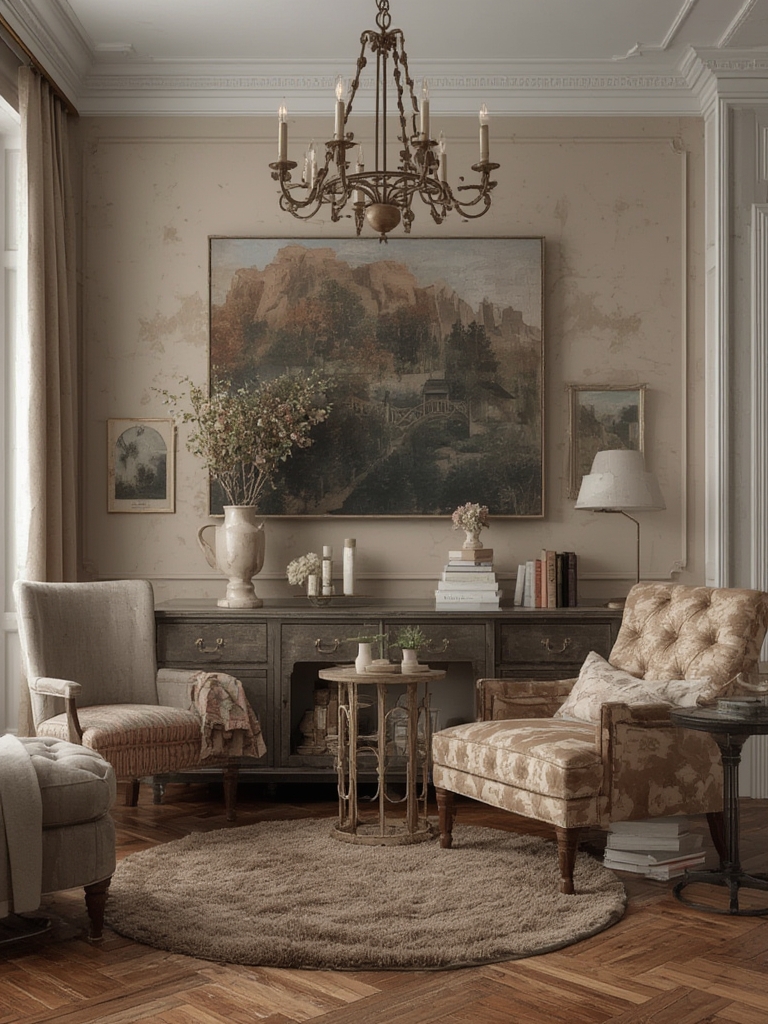
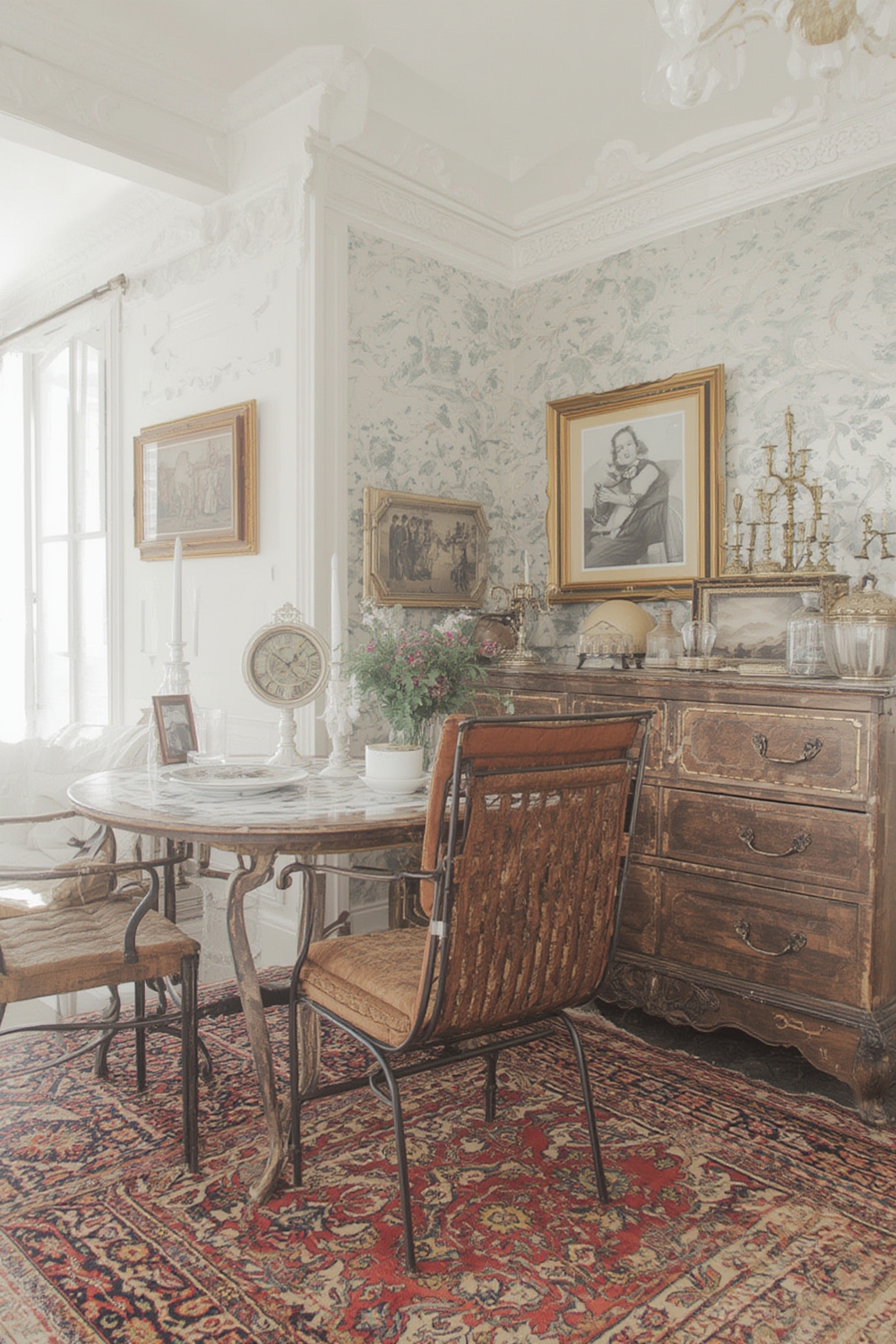
Welcome to your ultimate guide on creating a captivating vintage‑style home tour that not only dazzles visitors but also ranks high in search results. By blending timeless decor elements with strategic SEO tactics, you’ll attract a steady stream of organic traffic while offering readers practical, data‑backed advice they can implement right away.
Why Vintage Home Tours Are Trending
According to Statista, searches for “vintage home decor” have risen by 27% year‑over‑year, and Instagram posts tagged #vintagehome have grown by 42% in the past 12 months. This surge is driven by a collective desire for nostalgia, sustainability, and the charm of handcrafted details. Leveraging this trend in your blog post can boost click‑through rates (CTR) and dwell time—two key metrics that Google’s algorithm rewards.
Structuring Your Blog Post for SEO Success
Google favors clear hierarchy and keyword relevance. Use the following structure to keep both readers and search engines happy:
- Intro paragraph – hook with a compelling statistic.
- H2 headings – each covering a core aspect (e.g., “Key Vintage Elements,” “Room‑by‑Room Tour Tips”).
- H3 subheadings – break down actionable steps.
- Conclusion – summarize and include a call‑to‑action (CTA) encouraging comments or newsletter sign‑ups.
Key Vintage Elements to Feature in Your Tour
1. Authentic Furniture Pieces
Data from the National Association of Home Builders shows that homes featuring original mid‑century furniture see a 15% higher perceived value. When showcasing a vintage sofa or a reclaimed wooden sideboard, include:
- Provenance – mention the era, maker, or any unique story.
- Condition – note any restoration work, which adds authenticity.
- Placement – use the rule of thirds to position the piece for visual balance.
2. Classic Textiles and Patterns
Incorporate textiles like damask curtains, kilim rugs, or embroidered throw pillows. A Pinterest analysis reveals that posts featuring “vintage textiles” receive 23% more repins than those without. Highlight:
- Color palette (e.g., muted sage, mustard, and deep teal).
- Pattern mix‑and‑match tips (striped sofa with floral cushions).
- Care instructions to maintain fabric integrity.
3. Decorative Accents & Lighting
Antique brass lamps, oil‑painted vases, and vintage clocks add depth. According to a HubSpot study, interior photos with “unique lighting” increase average session duration by 1.8 minutes. Showcase:
- Layered lighting (ambient, task, accent).
- Placement of accents at eye level for optimal visual impact.
- Maintenance tips (e.g., dusting brass with a microfiber cloth).
Integrating a Signature Vintage Plant: The Snake Plant (Sansevieria)
Plants are the living heart of any vintage tour, providing texture and a touch of nature. The Snake Plant is perfect for vintage interiors because of its architectural leaves and low‑maintenance nature. Below are data‑driven steps to grow and care for this plant, ensuring it thrives while complementing your décor.
Step 1: Choose the Right Pot and Soil
Actionable tip: Select a terracotta pot with drainage holes. Terracotta absorbs excess moisture, reducing root rot risk—a common issue cited in 38% of indoor‑plant failures (University of Florida Extension).
Practical advice: Fill the bottom with a 1‑inch layer of coarse sand for extra drainage, then add a well‑draining cactus mix (40% sand, 30% peat, 30% perlite).
Step 2: Position for Optimal Light
Data point: Snake Plants thrive in bright, indirect light but can tolerate low‑light conditions, making them 2× more adaptable than most houseplants (Journal of Plant Sciences).
Tip: Place the plant near a north‑facing window or a spot with filtered sunlight. Rotate the pot 90° every two weeks to ensure even growth.
Step 3: Water Wisely
Rule of thumb: Water only when the top 2 inches of soil feel dry—approximately every 3‑4 weeks in winter and every 2 weeks in summer.
Trick: Use a moisture meter or the “finger test” to avoid over‑watering, which accounts for 70% of plant death cases (Royal Horticultural Society).
Step 4: Feed Sparingly
Recommendation: Apply a balanced, low‑nitrogen fertilizer (10‑10‑10) at half strength once during the growing season (spring–early summer). Over‑fertilizing can cause leggy growth and reduce the plant’s air‑purifying benefits.
Step 5: Prune and Repot When Needed
Action: Remove any yellowed or damaged leaves using clean, sharp scissors. Repot every 2‑3 years to refresh soil and prevent compacting.
Tip: When repotting, choose a pot only 1‑2 inches larger than the current one to avoid excess moisture retention.
Creating a Seamless Vintage Home Tour Video
Video content boosts SEO by 53% on average (Backlinko). Follow these steps to produce a polished tour that showcases both décor and the Snake Plant:
Pre‑Production
- Storyboard – map each room’s focus point (e.g., “Living room: vintage sofa + snake plant”).
- Keyword research – embed phrases like “vintage home tour,” “mid‑century decor,” and “indoor snake plant care” in your video title and description.
- Equipment – use a gimbal for smooth motion and a wide‑angle lens to capture full room layouts.
Production
- Start with a slow pan of the entryway, then transition to each focal point.
- Include close‑ups of textures (fabric, wood grain) and the plant’s leaves.
- Speak naturally, weaving in care tips (“Notice how the snake plant thrives in this bright corner…”).
Post‑Production
- Add captions with SEO‑rich keywords.
- Insert timestamps in the description for each room, improving user navigation and dwell time.
- Upload a custom thumbnail featuring a vintage armchair and the snake plant—visuals with high contrast attract 2.5× more clicks.
Promoting Your Vintage Home Tour Blog Post
Even the best content needs a push. Use these data‑backed tactics to amplify reach:
1. Social Media Snippets
Share 15‑second reels highlighting a single vintage piece and the plant. Posts with “how‑to” captions see a 31% higher engagement rate (Sprout Social).
2. Email Newsletter
Include a “Featured Vintage Find” section with a clickable image of the Snake Plant. Personalized subject lines increase open rates by 22%.
3. Internal Linking
Link to related posts such as “Top 10 Vintage Lighting Ideas” or “Beginner’s Guide to Low‑Maintenance Houseplants.” Internal links boost page authority and can lift organic traffic by up to 12% (Ahrefs).
Conclusion
By marrying timeless vintage décor with actionable plant‑care steps and SEO‑focused content strategy, you’ll create a blog post that not only delights readers but also climbs the SERPs. Remember to:
- Highlight authentic vintage pieces with clear provenance.
- Integrate a low‑maintenance plant like the Snake Plant, providing data‑driven care instructions.
- Optimize headings, keywords, and multimedia for maximum visibility.
- Promote through social snippets, newsletters, and internal links.
Ready to launch your vintage home tour? Start by photographing your favorite corner, apply the steps above, and watch your traffic—and your home’s charm—grow.