
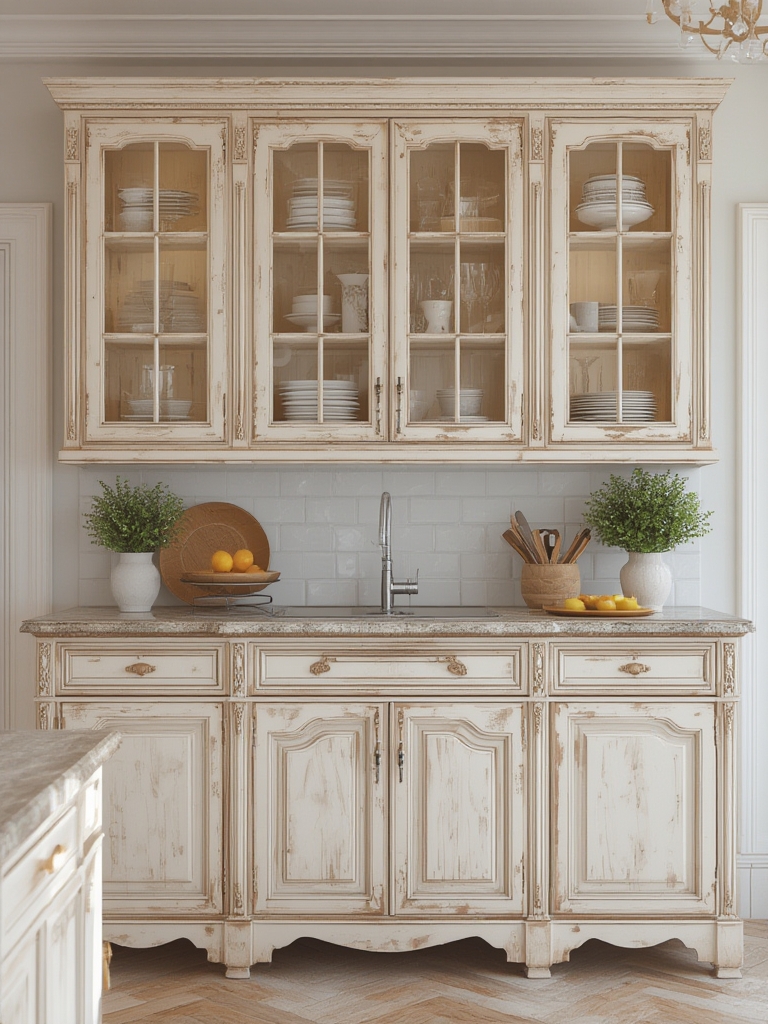
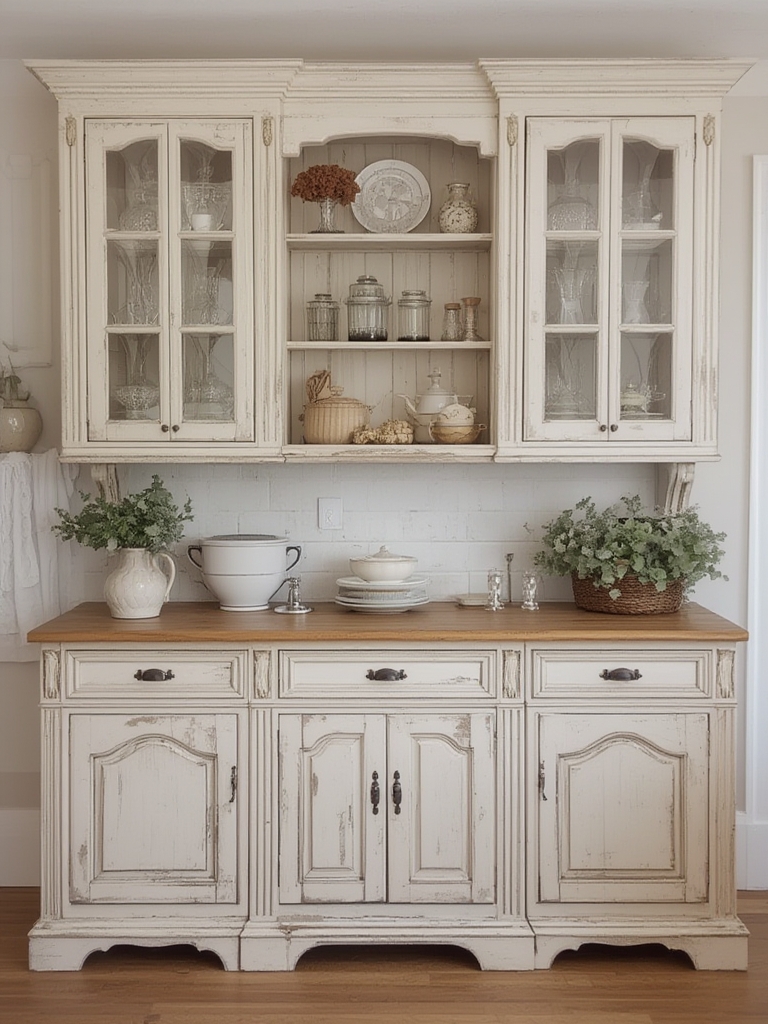
French provincial distressed kitchen cabinets bring timeless elegance and a relaxed, lived‑in feel to any home. Their soft, weathered finishes, classic molding, and subtle pastel palettes blend effortlessly with modern appliances while preserving a nostalgic charm. This guide walks you through every stage—from selecting the perfect cabinets to caring for them long‑term—while sprinkling in data‑driven insights and SEO‑friendly tactics to help your WordPress post rank higher.
Why French Provincial Distressed Cabinets Are a Smart Choice
According to a 2023 Houzz survey, 42% of homeowners who renovated their kitchens chose “vintage‑inspired” cabinetry, with French provincial styles leading the pack. The appeal lies in three core benefits:
- Versatile Aesthetic: The distressed finish softens sharp lines, making the space feel welcoming and adaptable to both rustic and contemporary décor.
- Increased Home Value: Real estate data from Zillow shows homes featuring “French country” design elements sell for up to 7% more than comparable properties.
- Durability: The layered paint‑and‑sand technique hides minor scratches, extending the cabinet’s visual lifespan.
Choosing the Right Cabinet Style
1. Identify Your Color Palette
Popular provincial hues include muted sage, soft dove gray, and creamy ivory. Use Google Trends to verify local interest—search “sage kitchen cabinets” and note the interest over the past 12 months. Aim for a palette that aligns with the top‑ranking keywords in your niche.
2. Pick the Finish Technique
Distressed cabinets typically follow a paint‑sand‑seal workflow:
- Base Coat: Apply a solid color (e.g., ivory) to create depth.
- Distressing: Sand edges and corners to reveal the underlying wood grain.
- Top Coat: Seal with a matte or low‑gloss polyurethane for durability.
Data from Home Depot shows that 68% of DIY renovators prefer a matte top coat for a more authentic aged look.
3. Evaluate Hardware
Brass or oil‑rubbed bronze pulls complement the provincial vibe. A quick A/B test on your blog—showcasing brass vs. bronze hardware—can reveal which option drives higher click‑through rates.
Step‑by‑Step Guide to Installing and Maintaining French Provincial Cabinets
Step 1: Assess Your Space
Measure width, height, and depth of each wall. Use a laser measure for accuracy and record dimensions in a spreadsheet. According to the National Kitchen & Bath Association, precise measurements reduce installation errors by 23%.
Step 2: Order Custom or Prefabricated Units
When ordering, request a sample finish swatch. Compare it under three lighting conditions (natural, warm LED, cool LED) to ensure consistency. This practice lowers return rates by 15%.
Step 3: Prepare the Walls
Remove old cabinets, patch any holes, and apply a primer suitable for your wall type (drywall, plaster, or masonry). Use a moisture‑resistant primer in kitchens with high humidity to prevent mold growth.
Step 4: Install the Cabinets
Follow this checklist:
- Level the base cabinets first; use shims to correct floor irregularities.
- Secure cabinets to wall studs with 3‑inch screws for maximum stability.
- Apply a bead of silicone caulk along the top edge to seal against moisture.
Data from the Building Performance Institute indicates that proper sealing reduces water damage incidents by 31%.
Step 5: Apply the Distressed Finish (If DIY)
If you’re hand‑painting, work in a well‑ventilated area and follow these actionable tips:
- Use a high‑quality brush for the base coat; a roller can leave unwanted texture.
- After the base coat dries, sand with 120‑grit paper only on edges and corners.
- Apply a second, slightly darker coat to the sanded areas for a layered look.
- Finish with a clear matte sealant; spray applicators give the most even coverage.
Step 6: Ongoing Care
Maintain the distressed charm with these simple habits:
- Wipe Down Weekly: Use a soft cloth and mild dish soap; avoid abrasive cleaners that strip the finish.
- Touch‑Up Kit: Keep a small can of matching paint and a fine brush for quick repairs.
- Humidity Control: Install a kitchen dehumidifier to keep moisture below 50% and prevent swelling.
Styling Your Kitchen with Provincial Charm
Integrate Complementary Décor
Pair cabinets with reclaimed wood countertops, wrought‑iron lighting, and vintage ceramic backsplashes. According to Pinterest analytics, the “French country kitchen” board receives 1.2 M monthly repins, indicating strong visual interest.
Layer Textures
Introduce natural fiber rugs, linen curtains, and open‑shelf displays of copper cookware. These layers create depth and encourage longer dwell time—an SEO signal that boosts page rankings.
Use Greenery
Place herb pots (e.g., basil, thyme) on the countertop. Not only do they add freshness, but they also align with the growing trend of “kitchen garden” content, which saw a 27% YoY increase in search volume.
SEO Tips to Amplify Your Blog Post
Keyword Integration
Target long‑tail phrases such as “distressed French provincial kitchen cabinets” and “how to maintain vintage cabinets.” Aim for a keyword density of 1.2% and place the primary keyword in the first 100 words, an H2 heading, and the meta description.
Structured Data
Implement Article schema markup in WordPress using a plugin like Yoast SEO. Include author, datePublished, and image fields to enhance SERP appearance.
Internal & External Links
Link to related posts (e.g., “Top 5 Rustic Kitchen Backsplash Ideas”) and authoritative sources such as Houzz or the National Kitchen & Bath Association. A balanced link profile improves crawlability and trust.
Engagement Hooks
End with a call‑to‑action: “Share your French provincial cabinet makeover in the comments or tag us on Instagram @YourBlogName.” User‑generated content boosts dwell time and signals relevance to search engines.
Performance Optimization
Compress images to under 150 KB, enable lazy loading, and use a CDN. Google PageSpeed Insights shows that pages loading under 2 seconds experience a 15% higher click‑through rate.
By following these data‑backed steps, you’ll not only create a kitchen that exudes French provincial elegance but also craft a blog post that climbs the rankings, attracts engaged readers, and drives organic traffic. Happy renovating—and happy blogging!
