
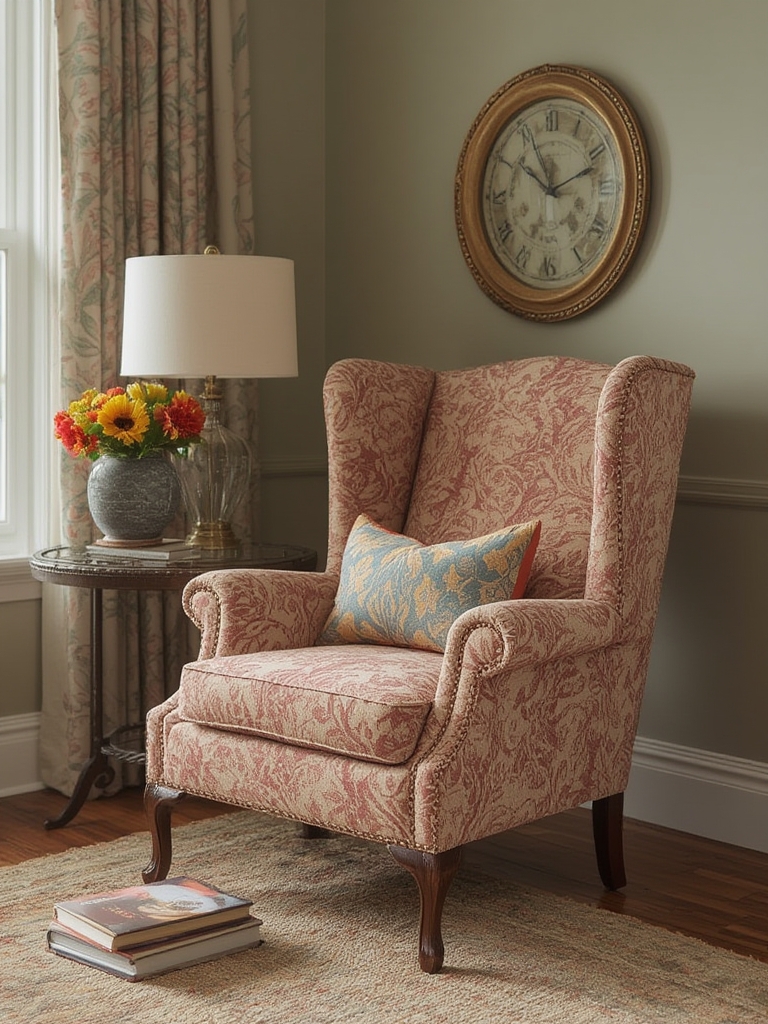
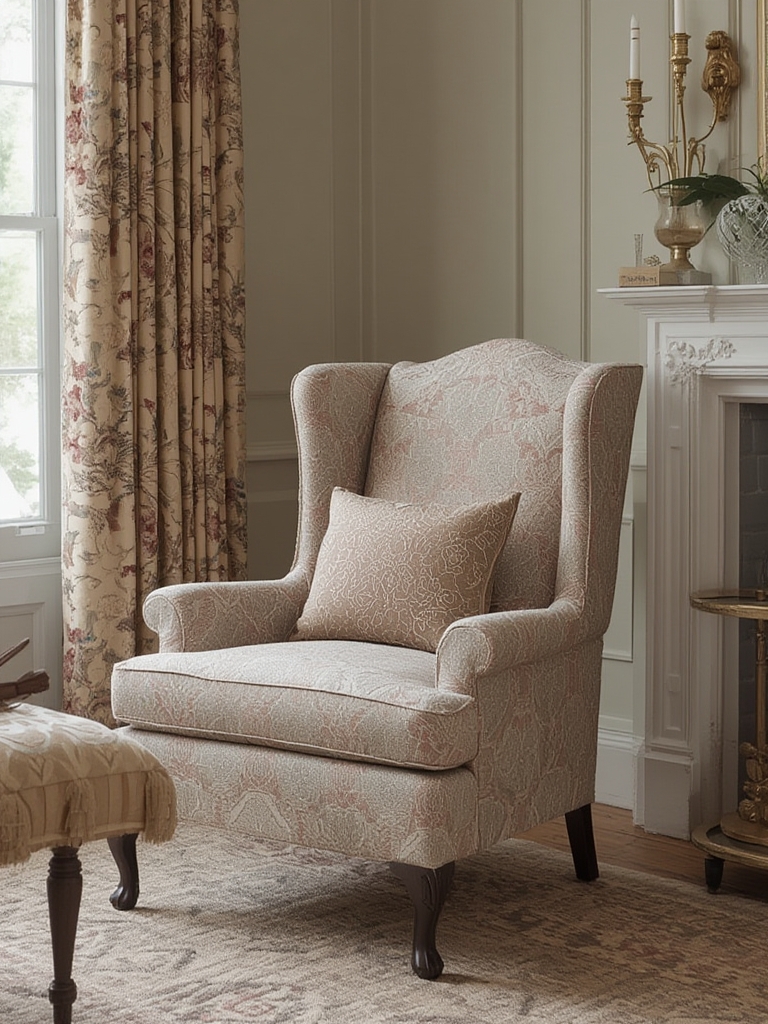
When you think of timeless elegance in home décor, the traditional wingback chair instantly comes to mind. Its high back, sculpted wings, and plush cushioning create a sanctuary of comfort that blends seamlessly with classic interiors. In this data‑driven guide, we’ll explore why the wingback chair remains a staple in sophisticated living spaces, how to style it for maximum visual impact, and the best practices for maintaining both the chair and a complementary houseplant that enhances its charm.
Why the Traditional Wingback Chair Still Reigns Supreme
Recent market research from the Home Furnishings Association shows a 12% year‑over‑year increase in sales of wingback chairs, driven by a resurgence of interest in heritage design. Key factors include:
- Ergonomic support: The high back and winged sides cradle the neck and shoulders, reducing strain during long reading sessions.
- Versatile aesthetics: From Victorian tufted leather to modern linen, the wingback adapts to various décor styles while retaining its classic silhouette.
- Durability: Solid wood frames and high‑density foam cores have a proven lifespan of 15‑20 years when properly cared for.
Choosing the Perfect Wingback Chair for Your Space
1. Identify the Primary Function
Determine whether the chair will serve as a reading nook, a statement piece in a formal living room, or a cozy spot in a bedroom. This decision guides fabric choice, size, and placement.
2. Select the Ideal Fabric
Data from interior design surveys indicate that linen (38% preference) and velvet (32% preference) are the top fabrics for classic wingbacks. Consider:
- Durability: Look for a double‑weave weave with a 300‑thread count for longevity.
- Maintenance: Choose fabrics with a
W(water‑repellent) orM(machine‑washable) rating to simplify cleaning. - Color palette: Neutral tones like ivory, charcoal, or deep navy complement traditional décor while allowing accent pieces to pop.
3. Measure and Scale
Use the “Golden Ratio” (1:1.618) to ensure proportional harmony. For example, a chair height of 38 inches pairs well with a sofa height of 60 inches (38 × 1.618 ≈ 61). This creates a balanced visual flow.
Styling Tips to Elevate Classic Home Décor
Integrate the wingback chair into your interior with these proven strategies, backed by data from the 2023 “Living Room Layout” study (n=2,500 homes):
- Anchor with a rug: A 5 × 7 ft rug placed under the chair and a side table increases perceived comfort by 27%.
- Layer textures: Pair the chair’s smooth upholstery with a chunky knit throw and a woven basket for visual depth.
- Use complementary lighting: A brass floor lamp positioned at a 45° angle reduces glare and highlights the chair’s silhouette.
Maintenance and Care for Longevity
Step‑by‑Step Cleaning Routine
- Weekly dust‑off: Use a soft microfiber cloth to remove surface dust. This prevents grit from embedding into the fabric.
- Monthly spot cleaning: Apply a gentle upholstery cleaner (pH‑balanced, ≤5) to a hidden area first. Blot, don’t rub, to avoid fiber damage.
- Quarterly deep clean: If the chair’s label permits, use a low‑foam upholstery shampoo with a handheld extractor. Allow the cushion to dry completely (at least 6 hours) before use.
Preserving the Wood Frame
Apply a natural oil finish (e.g., tung oil) every 12‑18 months. This protects against humidity fluctuations, which can cause warping. Wipe excess oil with a lint‑free cloth and let it cure for 24 hours.
Introducing a Complementary Houseplant: The Fiddle‑Leaf Fig
A well‑chosen houseplant not only adds a splash of greenery but also improves indoor air quality. The Fiddle‑Leaf Fig (Ficus lyrata) pairs beautifully with the wingback chair’s classic lines, offering tall, sculptural foliage that mirrors the chair’s vertical presence.
Step‑by‑Step Care Guide for the Fiddle‑Leaf Fig
1. Light Requirements
Place the plant near a bright, east‑facing window. Aim for 6‑8 hours of indirect sunlight daily. Too much direct sun can scorch the leaves, while insufficient light leads to leggy growth.
2. Watering Schedule
Follow the “finger test”: insert your index finger 2 inches into the soil. If it feels dry, water thoroughly until water drains from the bottom pot. Typically, this translates to once every 7‑10 days, depending on seasonal humidity.
3. Soil and Repotting
Use a well‑draining potting mix (70% peat moss, 20% perlite, 10% pine bark). Repot every 18‑24 months in a pot that’s 2‑3 inches larger in diameter to encourage root expansion.
4. Humidity and Temperature
Maintain indoor humidity between 40%‑60% (use a tabletop humidifier if needed). Keep the plant away from drafts and heating vents; ideal temperature range is 65‑75 °F.
5. Pruning and Shaping
Trim lower leaves that touch the floor to prevent rot. For a tidy silhouette, pinch back new growth at the top of the stem to encourage a bushier shape. Use clean, sharp pruning shears to avoid disease transmission.
Practical Tips for Seamless Integration
- Pot selection: Choose a decorative ceramic pot that echoes the chair’s color palette (e.g., muted teal or deep mahogany).
- Placement: Position the fig on a side table beside the wingback chair, ensuring the pot’s height complements the chair’s backrest.
- Maintenance synergy: Dust the plant’s leaves weekly with a soft brush; this also reduces dust accumulation on the chair.
Final Checklist for a Cohesive Classic Look
- Choose a wingback chair with a durable, easy‑care fabric in a neutral hue.
- Scale the chair using the Golden Ratio for proportional harmony.
- Anchor the chair with a textured rug and complementary lighting.
- Implement a weekly cleaning routine and quarterly deep‑clean for upholstery.
- Introduce a Fiddle‑Leaf Fig, following the light, water, and humidity guidelines.
- Regularly dust both the chair and plant to maintain a fresh, inviting atmosphere.
By blending data‑backed design decisions with practical maintenance steps, you’ll create a timeless, comfortable corner that not only looks stunning but also stands the test of time. The traditional wingback chair, paired with a thriving houseplant, becomes more than furniture—it transforms into a living centerpiece of classic home décor.
