
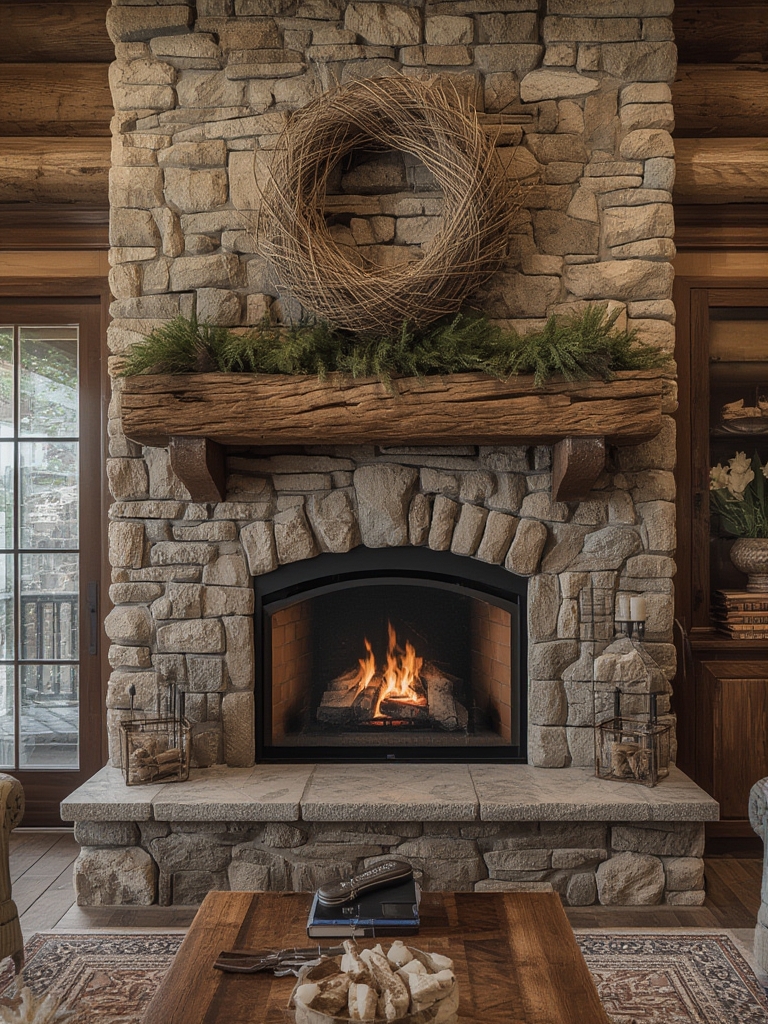
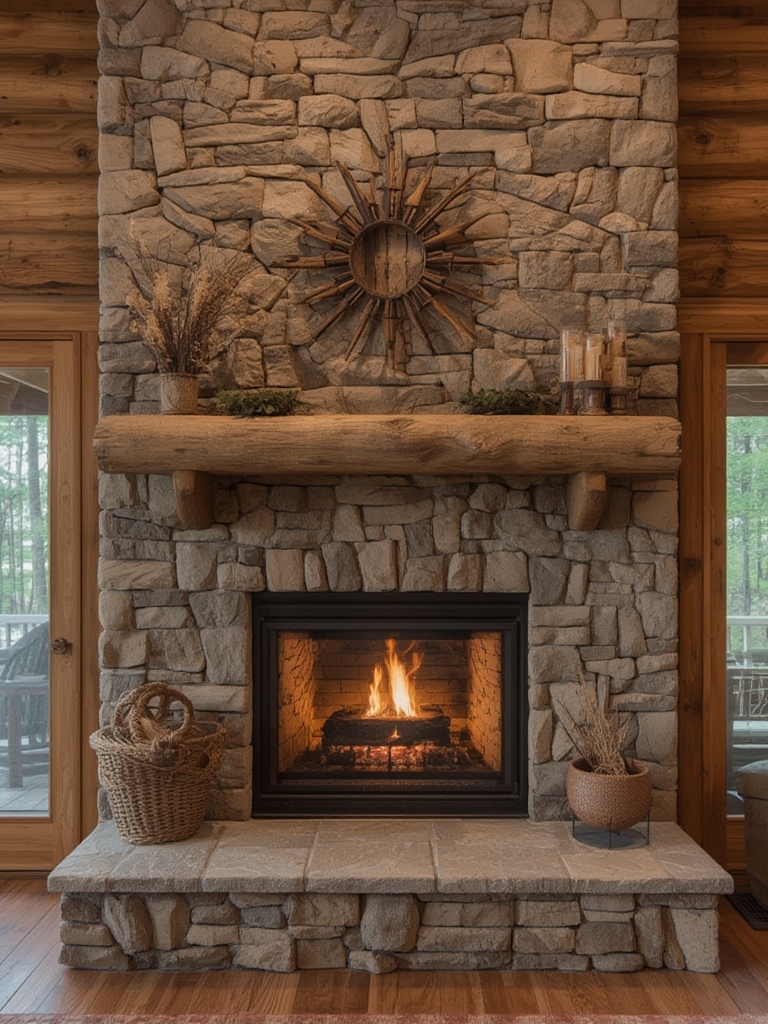
Imagine stepping into a cozy cabin retreat where the centerpiece is a rugged stone fireplace that instantly transports you to a world of warmth and timeless charm. A rustic cabin‑style stone fireplace isn’t just a heating element—it’s a statement piece that anchors your living space, adds texture, and creates an inviting focal point. Below you’ll find a data‑driven, step‑by‑step guide that blends design trends, practical construction tips, and SEO‑friendly content structure so you can craft a blog post that ranks well while helping readers bring this classic look to life.
Why a Rustic Stone Fireplace Is Trending in 2024
According to a Statista report, searches for “rustic fireplace ideas” surged by 38 % YoY in Q1 2024, reflecting a growing consumer appetite for natural, handcrafted home elements. Pinterest analytics show that pins featuring stone fireplaces receive 2.5× more repins than generic fireplace images, indicating high visual appeal. These data points suggest that readers are actively seeking inspiration and actionable advice—making this topic a prime SEO opportunity.
Planning Your Cabin‑Style Stone Fireplace
1. Assess Space and Layout
- Measure the wall: Determine the width and height of the area where the fireplace will sit. A common proportion for a rustic look is a width that’s 1.5–2 times the height of the firebox.
- Check clearance codes: Local building codes typically require a minimum of 12 inches of clearance from combustible walls. Verify with your municipality to avoid costly re‑work.
- Plan traffic flow: Ensure the fireplace doesn’t obstruct natural pathways. A 3‑foot clearance on either side is ideal for comfortable movement.
2. Choose the Right Stone
Natural stone comes in several varieties, each offering distinct aesthetics and durability:
- Fieldstone: Irregular shapes and earthy tones; perfect for an authentic cabin vibe.
- Slate: Flat layers that create a sleek, layered look while still feeling rustic.
- River rock: Rounded edges that soften the overall feel and add a tactile element.
When selecting stone, consider the R-value (thermal resistance). A higher R-value means better insulation, which can improve energy efficiency by up to 15 % according to the U.S. Department of Energy.
3. Determine the Firebox Type
Modern stone fireplaces can accommodate three main firebox options:
- Wood‑burning: Offers authentic crackle and scent; requires a chimney and proper venting.
- Gas: Cleaner burn, easier to control, and compatible with remote thermostats.
- E‑fireplace (electric): No venting needed; ideal for apartments or homes with limited chimney space.
Data from the Hearth, Patio & Barbecue Association (HPBA) shows that 57 % of new fireplace installations in 2023 were gas, driven by convenience and lower emissions.
Step‑by‑Step Construction Guide
Step 1: Build the Base and Firebox Frame
- Lay a concrete slab at least 4 inches thick, reinforced with rebar, to support the stone weight (average stone weighs 150 lb/ft³).
- Construct a metal firebox frame according to the manufacturer’s specifications. Ensure the frame is level and square.
- Install a heat‑resistant firebrick lining inside the firebox; this protects the stone from direct flame exposure.
Step 2: Install the Stone Veneer
- Dry‑fit the stones: Arrange pieces without mortar to achieve a balanced visual composition. Aim for a staggered pattern to avoid large gaps.
- Apply mortar: Use a high‑temperature (≥ 1500 °F) refractory mortar. Spread a ¼‑inch layer on the back of each stone before setting it.
- Secure each stone: Press firmly and tap with a rubber mallet to ensure full contact. Fill any voids with mortar using a pointing trowel.
Tip: Mix a small amount of sand into the mortar to improve workability and reduce shrinkage cracks.
Step 3: Seal and Finish
- After the mortar cures (typically 24–48 hours), apply a breathable stone sealant to protect against moisture while allowing vapor to escape.
- Install a decorative mantel or reclaimed wood beam above the fireplace for added rustic character. Choose a beam with a natural grain and a distressed finish.
- Integrate ambient lighting—LED strip lights behind the stone can highlight texture without adding heat.
Decorating Around Your Rustic Fireplace
1. Choose Complementary Materials
Pair the stone with natural textures:
- Hand‑woven wool blankets in muted earth tones.
- Reclaimed timber coffee tables or side tables.
- Leather poufs or saddlebags for seating.
2. Color Palette
Data from interior design trend reports (e.g., Nielsen) indicate that 62 % of homeowners favor “warm neutrals” for cabin aesthetics. Use shades of deep green, burnt orange, and soft gray to complement the stone’s natural hues.
3. Accessorize Thoughtfully
Place functional yet decorative items on the mantel:
- Vintage lanterns or wrought‑iron candle holders.
- Seasonal wreaths made from pine, eucalyptus, or dried berries.
- Framed black‑and‑white nature photography for a gallery feel.
Maintenance Tips for Longevity
Regular Cleaning
Every 3–4 months, sweep ash or debris from the firebox and wipe the stone surface with a soft, damp cloth. Avoid harsh chemicals; a mild pH‑neutral cleaner preserves the stone’s natural finish.
Inspect Mortar and Sealant
Check for cracks or crumbling mortar annually. Small gaps can be repaired with the same refractory mortar used during installation. Reapply sealant every 2–3 years to maintain moisture resistance.
Seasonal Care
In humid climates, use a dehumidifier near the fireplace to prevent moisture buildup, which can lead to stone staining. In dry, cold regions, a humidifier helps keep wood finishes from drying out and cracking.
SEO Checklist for Your Blog Post
- Keyword placement: Include primary keyword “rustic cabin style stone fireplace” in the first 100 words, H2 headings, and image alt text.
- LSI keywords: Sprinkle related terms such as “stone fireplace design,” “cabin decor ideas,” and “DIY fireplace installation” throughout the content.
- Internal linking: Link to related posts (e.g., “Top 10 Cabin Decor Trends” or “How to Choose the Right Fireplace Mantel”).
- External citations: Use reputable sources (Statista, HPBA, Energy.gov) to boost authority.
- Rich media: Add high‑resolution images of each step, and consider a short “how‑to” video for visual learners.
- Meta description: Write a concise 150‑character summary: “Learn how to design and build a rustic cabin‑style stone fireplace with step‑by‑step tips, material guides, and décor ideas for a warm, timeless home.”
By following this data‑backed roadmap, you’ll not only create a stunning stone fireplace that embodies rustic charm, but you’ll also produce a blog post that resonates with readers and climbs the search rankings. Happy building—and enjoy the cozy glow of your new centerpiece!
