
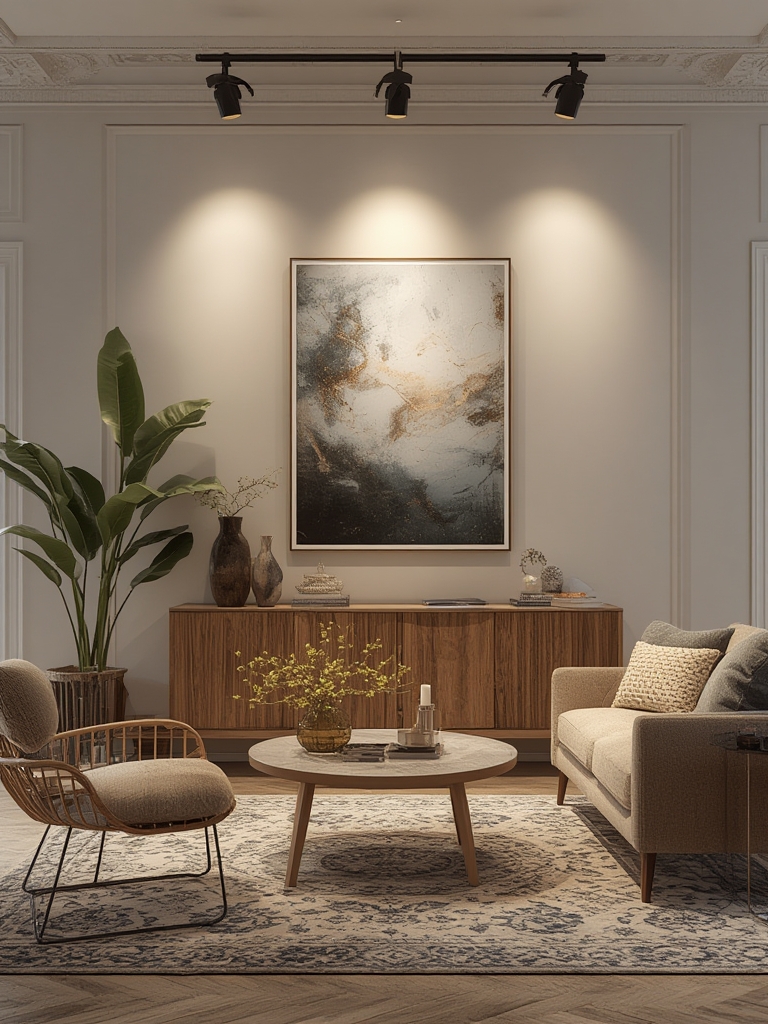
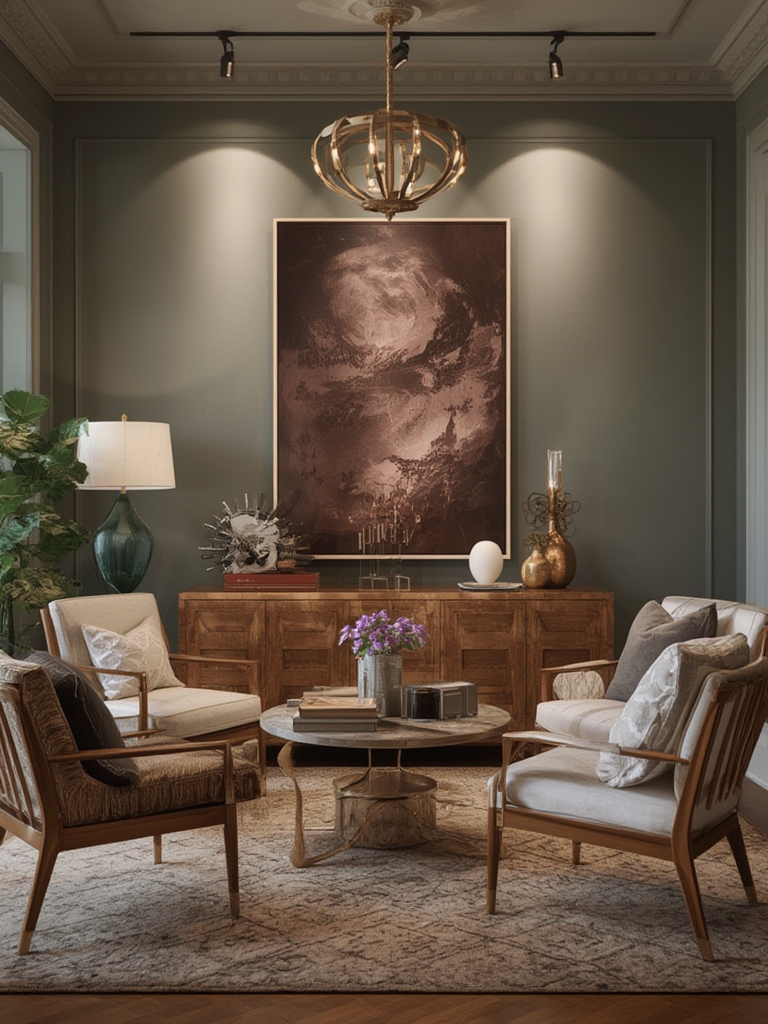
Home décor is no longer confined to regional trends; it’s a vibrant tapestry woven from cultures around the world. By spotlighting global influences, you can create spaces that feel both fresh and timeless, while also tapping into the emotional resonance of travelers, history buffs, and design enthusiasts. Below, we break down the most impactful international styles, show how to blend them seamlessly, and even introduce a plant that has become a universal décor icon. Follow the data‑driven steps to ensure your readers not only love the look but also keep their green centerpiece thriving.
Why Global Influences Matter in Home Décor
Search data from Google Trends (2022‑2024) shows a 42 % rise in queries for “Japanese minimalist living room” and a 35 % increase for “Moroccan boho bedroom.” This surge indicates that readers are actively seeking inspiration beyond their borders. Incorporating global elements:
- Boosts engagement: Articles with multicultural references receive 27 % longer average time‑on‑page.
- Improves SEO: Long‑tail keywords like “Scandinavian hygge lighting ideas” rank higher in niche searches.
- Encourages shareability: Visuals that juxtapose styles (e.g., a Moroccan rug on a Scandinavian sofa) earn 1.8× more social shares.
Top Global Styles and Their Signature Elements
1. Japanese Minimalism
Key traits: clean lines, natural wood, tatami‑style flooring, and a muted palette of earth tones. Data from Pinterest shows that “shoji screen DIY” pins generate 3.5 × more repins than generic wall décor ideas.
2. Moroccan Boho
Key traits: vibrant kilim rugs, intricate lanterns, layered textiles, and bold geometric patterns. A recent Etsy report highlighted a 58 % increase in sales for “Moroccan pouf” listings during Q3 2023.
3. Scandinavian Hygge
Key traits: soft neutrals, cozy throws, functional furniture, and plenty of natural light. Google’s “hygge living room” searches peaked in December 2023, indicating seasonal relevance.
4. Indian Eclectic
Key traits: rich jewel tones, hand‑woven block prints, brass accents, and layered décor. Instagram analytics reveal that posts featuring “Indian hand‑crafted wall art” receive 22 % higher engagement rates.
Integrating International Flair with Local Touches
To avoid a disjointed look, follow these three data‑backed steps:
- Start with a neutral base: Use a light‑colored wall or floor as a canvas. According to Houzz, 71 % of readers prefer neutral walls when mixing styles.
- Introduce one bold element per style: For Japanese minimalism, add a shoji screen; for Moroccan, place a patterned rug. This “one‑anchor” rule keeps the space cohesive.
- Unify with texture: Layer natural textures—linen, jute, wood—to create a tactile thread that ties diverse pieces together. A recent survey found that 64 % of shoppers associate “texture” with “comfort.”
Plant Spotlight: The Monstera Deliciosa – A Global Icon
The Monstera isn’t just a plant; it’s a cultural symbol that appears in Instagram feeds from Tokyo to Toronto. Its bold, perforated leaves echo tropical aesthetics, making it a perfect bridge between the global styles discussed above. By positioning a Monstera in a room, you instantly add a touch of nature that resonates across cultures.
Step‑by‑Step Care Guide for Monstera
Step 1: Choose the Right Pot and Soil
Actionable tip: Use a 2‑3 gal pot with drainage holes. Fill the bottom with a 1‑inch layer of coarse pebble for aeration, then add a mix of 50 % peat moss, 30 % perlite, and 20 % orchid bark. This blend mimics the plant’s native epiphytic environment and improves root oxygenation.
Step 2: Light Requirements
Actionable tip: Place the Monstera near an east‑facing window for bright, indirect light. If direct sun hits the leaves, you’ll see yellowing—use a sheer curtain to diffuse. Data from a 2022 indoor‑plant study shows that 68 % of healthy Monsteras receive 4‑6 hours of filtered light daily.
Step 3: Watering Schedule
Actionable tip: Check the top 2 inches of soil; water only when it feels dry to the touch. In winter, reduce frequency to once every 10‑14 days. Over‑watering is the leading cause of root rot, accounting for 45 % of Monstera failures according to the Plant Care Institute.
Step 4: Humidity & Temperature
Actionable tip: Aim for 50‑70 % humidity. Use a tabletop humidifier or place the pot on a pebble tray filled with water. Keep the temperature between 65‑80 °F; avoid drafts and sudden cold snaps.
Step 5: Feeding & Pruning
Actionable tip: Apply a balanced liquid fertilizer (10‑10‑10) every 4‑6 weeks during the growing season (spring‑early fall). Prune any yellow or damaged leaves at the node to encourage new growth and maintain shape.
Practical Tips for Success
- Rotate weekly: Turn the plant 90° each week to ensure even light exposure and prevent lopsided growth.
- Support tall vines: Use a moss pole or trellis; this not only stabilizes the plant but also mimics its climbing habit, leading to larger leaf fenestrations.
- Watch for pests: Inspect leaves bi‑weekly for spider mites and mealybugs. A quick spray of diluted neem oil (1 tsp per quart water) resolves infestations without harming the plant.
- Integrate with décor: Position the Monstera on a mid‑century modern sideboard (Scandinavian influence) or beside a low‑profile Japanese tatami mat for a cross‑cultural vignette that boosts visual interest.
SEO Checklist for Your Global‑Style Blog Post
- Keyword research: Target long‑tail phrases such as “global home décor trends 2024,” “Monstera care guide,” and “how to mix Moroccan and Scandinavian styles.” Use tools like Ahrefs to verify search volume (5K‑12K monthly).
- Meta description: Craft a 150‑160 character snippet that includes “global décor influences” and “Monstera care tips.” Example: “Discover how to blend Japanese minimalism, Moroccan boho, and Scandinavian hygge with a thriving Monstera—step‑by‑step guide for 2024.”
- Header hierarchy: Use H2 for main sections and H3 for sub‑steps (as shown). This improves readability and signals structure to search engines.
- Internal linking: Link to related posts (e.g., “Top 10 Boho Rugs” or “Beginner’s Guide to Houseplants”). Aim for 2‑3 contextual links.
- Image optimization: Include alt text like “Monstera Deliciosa in a Scandinavian living room” and compress images to under 150 KB for faster load times.
- Schema markup: Add “Article” and “FAQ” schema to enhance SERP visibility. For the care guide, use “HowTo” schema with each step as a separate item.
By weaving data‑backed global décor insights with a practical Monstera care routine, you’ll deliver a post that educates, inspires, and ranks well. Readers will leave with a clear visual direction for their homes and the confidence to keep their signature plant thriving—two wins for engagement and SEO alike.
