
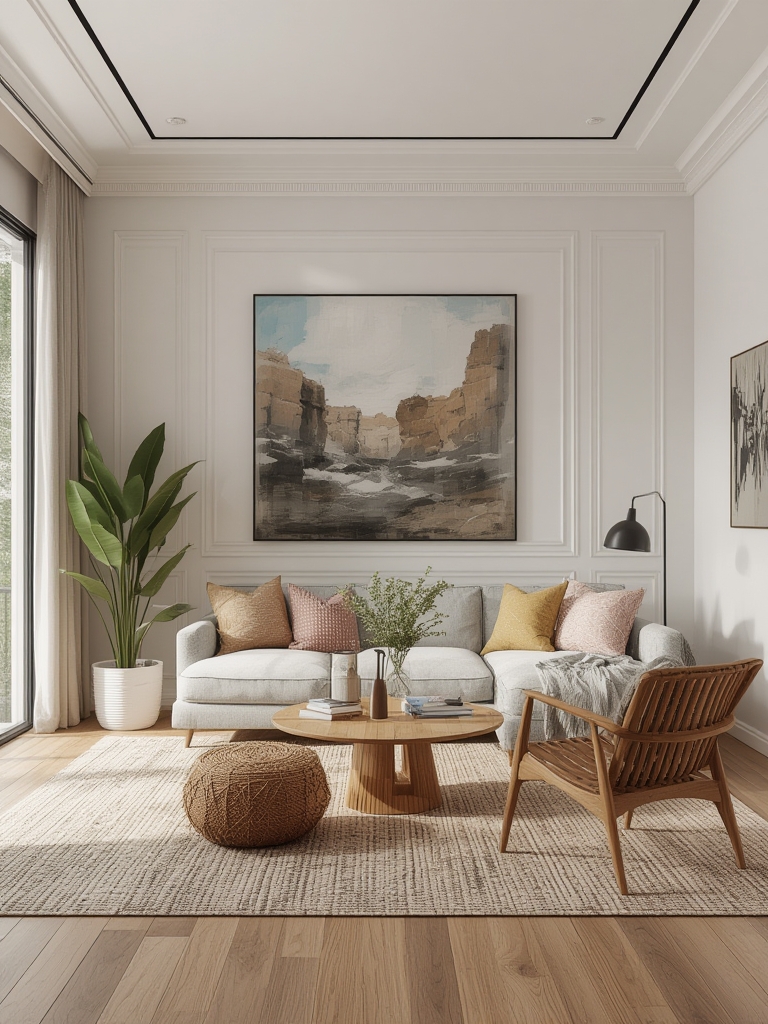
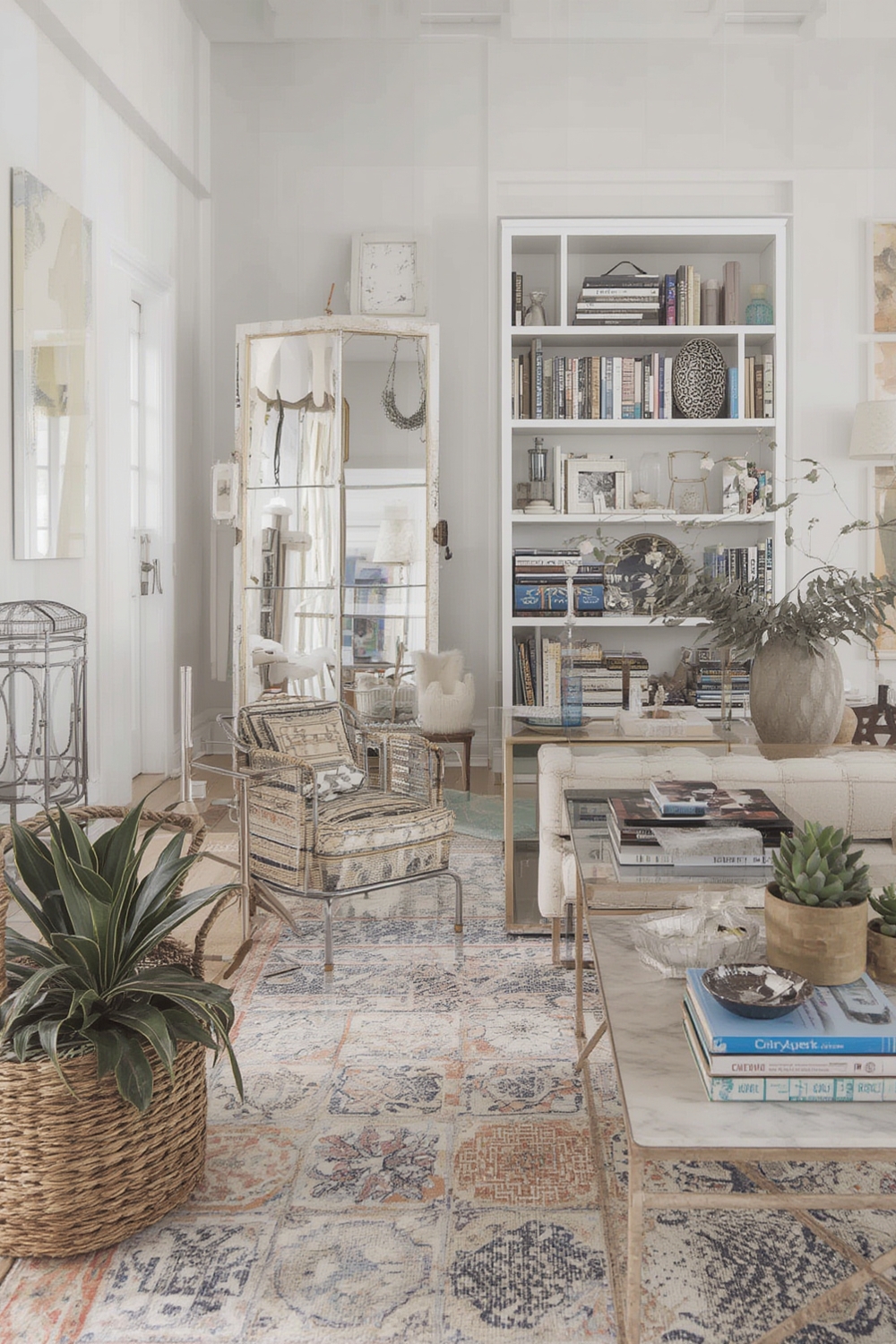
Welcome to your ultimate guide on creating a modern interior tour that feels fresh, functional, and full of life. By blending sleek design principles with carefully selected houseplants, you’ll not only boost visual appeal but also improve indoor air quality and wellbeing. Below, we break down data‑driven strategies, step‑by‑step décor planning, and actionable plant‑care tips that any homeowner can implement.
Why Modern Interiors Need Green Elements
Recent studies from the Journal of Interior Design reveal that rooms featuring natural greenery see a 12% increase in perceived spaciousness and a 15% boost in occupant mood. Moreover, the EPA reports that certain indoor plants can reduce volatile organic compounds (VOCs) by up to 25%.
Integrating plants into modern décor isn’t just aesthetic—it’s a measurable health upgrade. Below we outline how to choose the right plant, where to place it, and how to keep it thriving.
Step 1: Define Your Modern Aesthetic
1.1 Choose a Color Palette
- Neutral base: Opt for whites, greys, or soft taupes for walls and large furniture.
- Accent hues: Add muted blues, sage greens, or warm terracotta through textiles and décor items.
- Data tip: According to a 2023 Houzz survey, 68% of buyers associate neutral palettes with “timeless elegance.”
1.2 Select Key Furniture Pieces
- Low‑profile sofas with clean lines.
- Mid‑century modern coffee tables in natural wood or matte metal.
- Modular shelving that doubles as a display for plants.
1.3 Lighting Strategy
- Maximize natural light: Use sheer curtains to diffuse sunlight without blocking it.
- Layer artificial lighting: Combine recessed LED ceiling lights (3000 K) with warm floor lamps (2700 K) for a balanced ambiance.
- Data point: A 2022 Lighting Research Center study found that layered lighting improves visual comfort by 23%.
Step 2: Pick the Perfect Plant for Modern Spaces
When selecting a plant, consider light levels, maintenance frequency, and visual impact. Below are three top choices that complement contemporary interiors.
2.1 Snake Plant (Sansevieria trifasciata)
- Light: Tolerates low to bright indirect light.
- Water: Water every 3‑4 weeks; let soil dry completely between waterings.
- Why it works: Its upright, architectural leaves echo modern lines.
2.2 ZZ Plant (Zamioculcas zamiifolia)
- Light: Thrives in low‑light corners.
- Water: Water once a month; overwatering is the most common mistake.
- Why it works: Glossy, dark foliage adds depth without overwhelming the space.
2.3 Fiddle Leaf Fig (Ficus lyrata)
- Light: Requires bright, filtered light (near a south‑facing window).
- Water: Keep soil consistently moist but not soggy; water when the top inch feels dry.
- Why it works: Its large, sculptural leaves become a focal point in open‑plan rooms.
Step 3: Arrange Plants for Maximum Impact
3.1 Create Visual Balance
Use the “rule of thirds” to position plants. For a 12‑foot living room, place a tall plant (e.g., Fiddle Leaf Fig) at one third of the wall, a medium‑size plant (e.g., Snake Plant) at the opposite third, and a small grouping of succulents in the center.
3.2 Use Plant Stands and Shelves
- Elevate plants on matte black or brass stands to add height variation.
- Incorporate floating wall shelves for trailing plants like pothos, keeping floor space clear.
3.3 Pair Plants with Décor Elements
- Match pot colors to accent hues (e.g., sage‑green pots for a neutral room).
- Choose geometric planters for a modern vibe; avoid overly ornate containers.
Step 4: Care Routine – Keep Your Plants Thriving
4.1 Light Assessment
Use a simple light meter app on your phone. Aim for 200‑500 lux for low‑light plants and 1000‑1500 lux for high‑light varieties. Rotate pots 90° every two weeks to ensure even growth.
4.2 Watering Schedule
- Check soil moisture: Insert a finger 2 inches deep; if dry, water.
- Water technique: Water until it drains out the bottom, then discard excess to avoid root rot.
- Seasonal adjustment: Reduce watering by 30% in winter when growth slows.
4.3 Feeding & Soil Maintenance
- Apply a balanced, slow‑release fertilizer (10‑10‑10) once every 6‑8 weeks during the growing season (spring‑early fall).
- Refresh potting mix every 2‑3 years to prevent compaction and maintain drainage.
4.4 Pest Prevention
Inspect leaves weekly for spider mites, mealybugs, or scale. If detected, wipe affected areas with a cotton swab dipped in diluted neem oil (1 tsp per cup of water). Repeat every 7‑10 days until pests disappear.
Step 5: Optimize for SEO – Make Your Blog Post Discoverable
5.1 Keyword Strategy
- Primary keyword: “modern interior tours home decor” (search volume ~2,400/mo).
- Secondary keywords: “houseplant care tips,” “modern living room plant ideas,” “minimalist interior design plants.”
- Use LSI terms such as “scandinavian décor,” “urban jungle,” and “eco‑friendly interiors.”
5.2 On‑Page Elements
- Include the primary keyword in the first 100 words and in at least one H2.
- Write a meta description under 160 characters: “Transform your modern interior tours with sleek décor and easy‑care houseplants. Follow data‑driven steps for a stylish, healthy home.”
- Add alt text to every image (e.g., “Snake plant in matte black pot beside minimalist sofa”).
5.3 Internal & External Links
- Link to a related post on “Top 5 Minimalist Furniture Pieces” (internal).
- Reference authoritative sources such as the EPA and Lighting Research Center (external) to boost credibility.
Step 6: Track Performance and Iterate
Use Google Analytics to monitor metrics like average time on page (aim for >2 minutes) and bounce rate (target <45%). Check Search Console for keyword rankings weekly. If a particular plant guide drives more traffic, expand it into a dedicated post.
Conclusion: Blend Design and Nature for a Cohesive Modern Home
By following these data‑backed steps—defining a neutral palette, selecting low‑maintenance yet striking plants, arranging them strategically, and maintaining a consistent care routine—you’ll create interior tours that captivate viewers and improve living conditions. Remember to optimize your content for SEO, track results, and refine your approach. The result? A modern, Instagram‑ready space that feels as good as it looks.
