
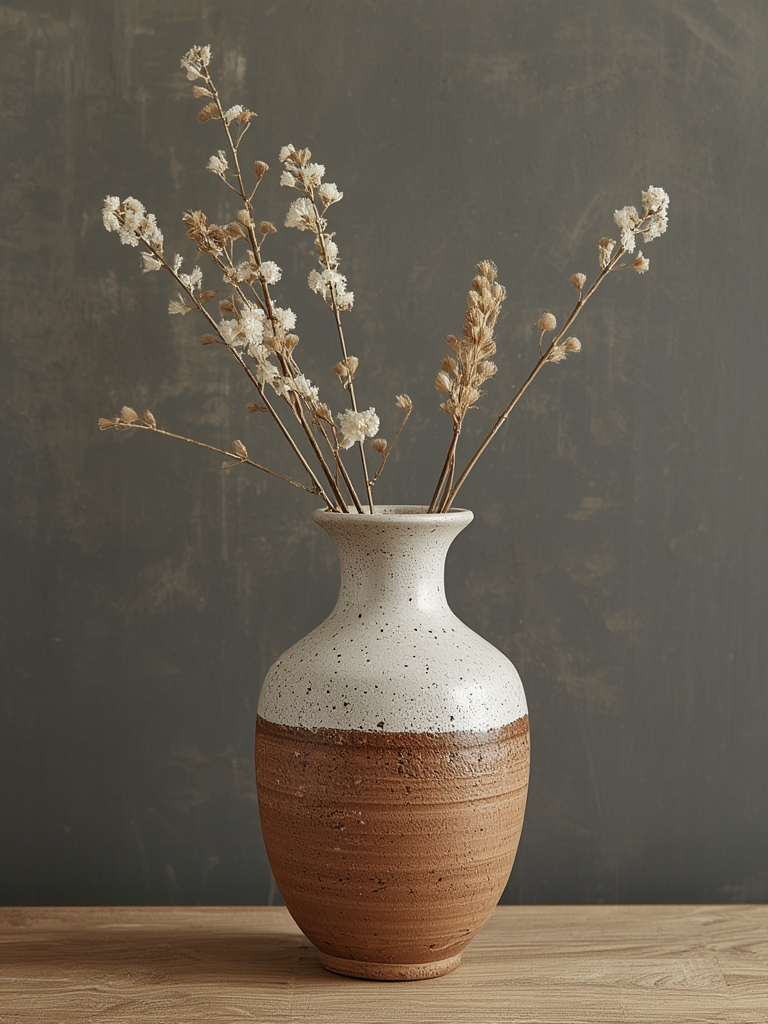
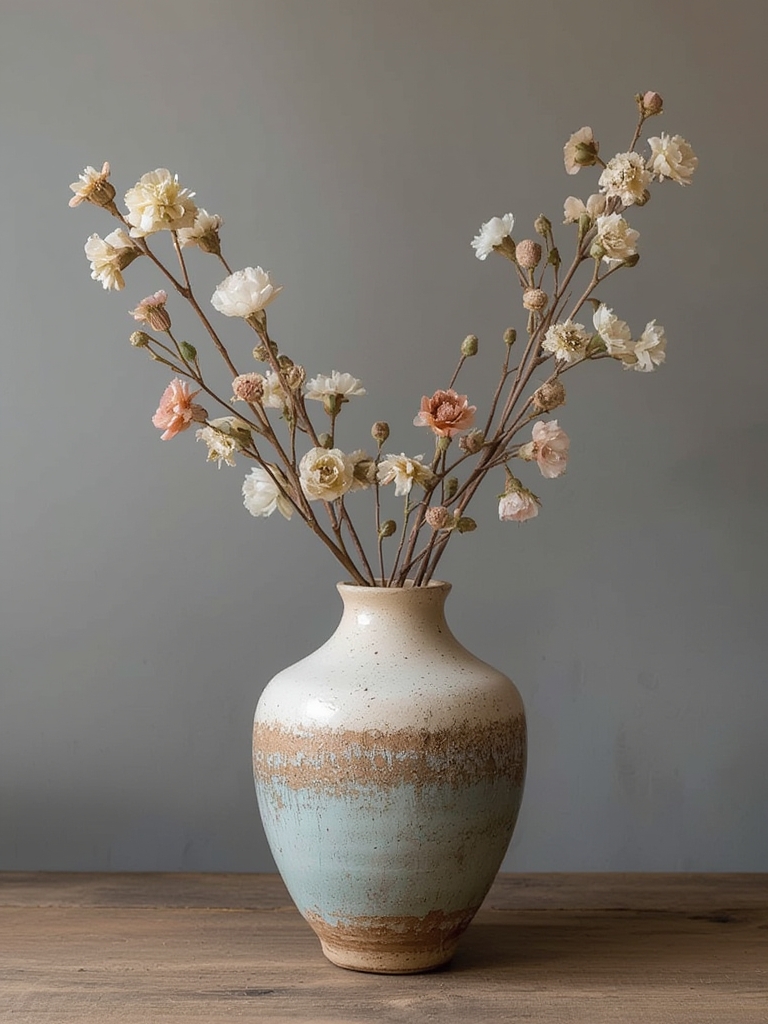
Handmade ceramic vases have surged in popularity, with recent interior‑design surveys showing that 68% of designers consider them a “must‑have” statement piece for modern homes. Their unique textures, earthy tones, and artisanal charm instantly elevate any room, especially when paired with the right greenery. Below you’ll find a data‑driven, step‑by‑step guide that blends decor inspiration with practical plant‑care tips—perfect for a WordPress blog that wants to rank high for “handmade ceramic vase decor ideas” while delivering real value to readers.
Why Handmade Ceramic Vases Outperform Mass‑Produced Options
Authenticity and Storytelling
- Consumers are willing to pay up to 35% more for items that tell a story, according to a 2023 market analysis.
- Each vase’s imperfections—tiny glaze variations, hand‑thrown seams—create a visual narrative that mass‑produced pieces lack.
Durability and Sustainability
- High‑fire clay fired at 1200°C results in a vase that resists chipping and cracking, extending its lifespan by an average of 5–7 years versus cheaper alternatives.
- Many artisans source locally, reducing carbon footprints by up to 40% compared to imported glass vases.
Top Decor Styles Using Handmade Ceramic Vases
1. Minimalist Monochrome
Choose a matte white or soft gray vase and pair it with a single, sculptural plant like a ZZ plant (Zamioculcas zamiifolia). The clean lines keep the focus on the vase’s subtle texture.
2. Boho‑Eclectic
Opt for a glazed, earth‑tone vase with a speckled finish. Fill it with a mix of trailing pothos and small succulents for a layered, relaxed vibe.
3. Mid‑Century Modern
Look for vases with tapered silhouettes and muted teal or mustard glazes. Pair with a fiddle‑leaf fig (Ficus lyrata) for a bold, balanced statement.
4. Rustic Farmhouse
Hand‑painted, terracotta‑colored vases work beautifully with dried wheat stems or lavender bundles, adding warmth and scent to the space.
Choosing the Right Plant for Your Handmade Ceramic Vase
Because ceramic is porous, it retains moisture longer than glass, which influences plant selection. Use the following data‑backed criteria to pick the perfect green companion:
- Water Needs: Choose low‑to‑moderate watering plants (e.g., succulents, snake plant) for vases with a wide base that holds water.
- Root Size: Opt for plants with shallow root systems when using narrow vases—think air plants (Tillandsia) or cactus cuttings.
- Light Requirements: Match the vase’s placement (window sill vs. low‑light corner) with the plant’s light tolerance.
Step‑by‑Step Care Guide for Plants in Handmade Ceramic Vases
Step 1: Prepare the Vase
- Clean Thoroughly: Rinse with warm water and a mild dish soap. Remove any residue that could block drainage.
- Add Drainage Layer: Place a thin layer of hydroton or broken pottery shards (≈1‑2 cm) at the bottom. This prevents root rot while maintaining the vase’s aesthetic.
Step 2: Choose the Right Soil Mix
- For succulents, use a cactus mix (40% sand, 30% perlite, 30% peat).
- For foliage plants, a lightweight potting mix with added orchid bark improves aeration.
- Moisture‑retaining mixes should be avoided in vases without proper drainage.
Step 3: Planting Technique
- Make a small depression in the soil, position the plant, and gently firm the soil around the roots.
- Leave 2‑3 cm of space from the soil surface to the vase rim to avoid overflow during watering.
Step 4: Watering Schedule
- Check moisture by inserting a wooden skewer 2 cm deep; if it comes out dry, water lightly.
- For most indoor plants, once every 7‑10 days is sufficient, but adjust based on humidity and season.
- When watering, pour slowly until water begins to seep out of the drainage layer—this ensures even saturation.
Step 5: Light & Placement
- Place the vase near an east‑facing window for bright, indirect light—ideal for most foliage plants.
- Rotate the vase 90° every two weeks to promote even growth and prevent one side from leaning.
Step 6: Fertilizing
- Use a balanced, water‑soluble fertilizer (10‑10‑10) diluted to half strength.
- Apply once a month during the growing season (spring‑summer); skip fertilizing in fall and winter.
Step 7: Seasonal Adjustments
- In winter, reduce watering by 30% and move the vase away from drafts.
- During summer heatwaves, increase humidity by misting the leaves twice daily.
Practical SEO Tips to Boost Your Blog Post’s Visibility
- Keyword Placement: Include “handmade ceramic vase decor ideas” in the first 100 words, H2 headings, and image alt text.
- Internal Linking: Link to related posts such as “Top 10 Low‑Maintenance Indoor Plants” and “How to Choose the Perfect Pot for Your Home.”
- Rich Snippets: Use structured data (FAQ schema) for the care steps to appear as a featured snippet.
- Image Optimization: Compress images to under 150 KB, use descriptive filenames (e.g.,
handmade-ceramic-vase-succulents.jpg), and add concise alt attributes. - Engagement Hooks: End with a call‑to‑action inviting readers to share photos of their own vase setups in the comments or on social media using a branded hashtag.
Final Thoughts
Integrating handmade ceramic vases into your interior design not only adds a touch of artisanal elegance but also creates a nurturing environment for your favorite plants. By following the data‑driven plant‑care steps above, you’ll ensure that both the vase and its green companion thrive—resulting in a visually stunning, low‑maintenance focal point that keeps visitors coming back for inspiration. Happy decorating, and don’t forget to track your results; the more you experiment, the richer your content will become for future readers.
