
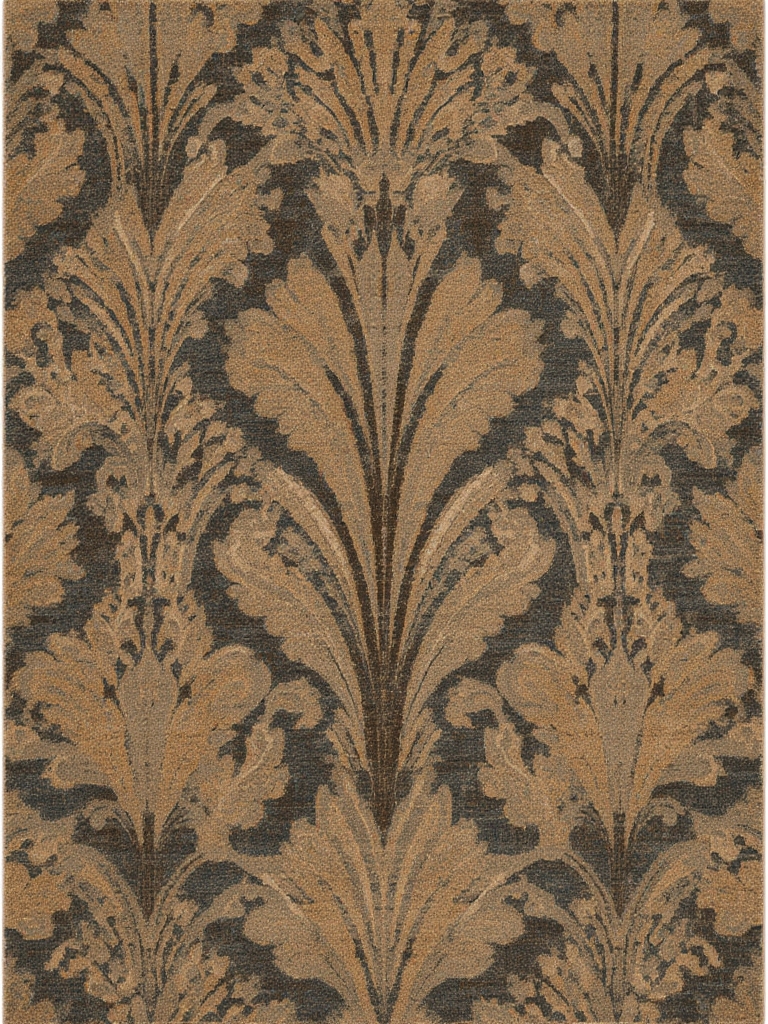
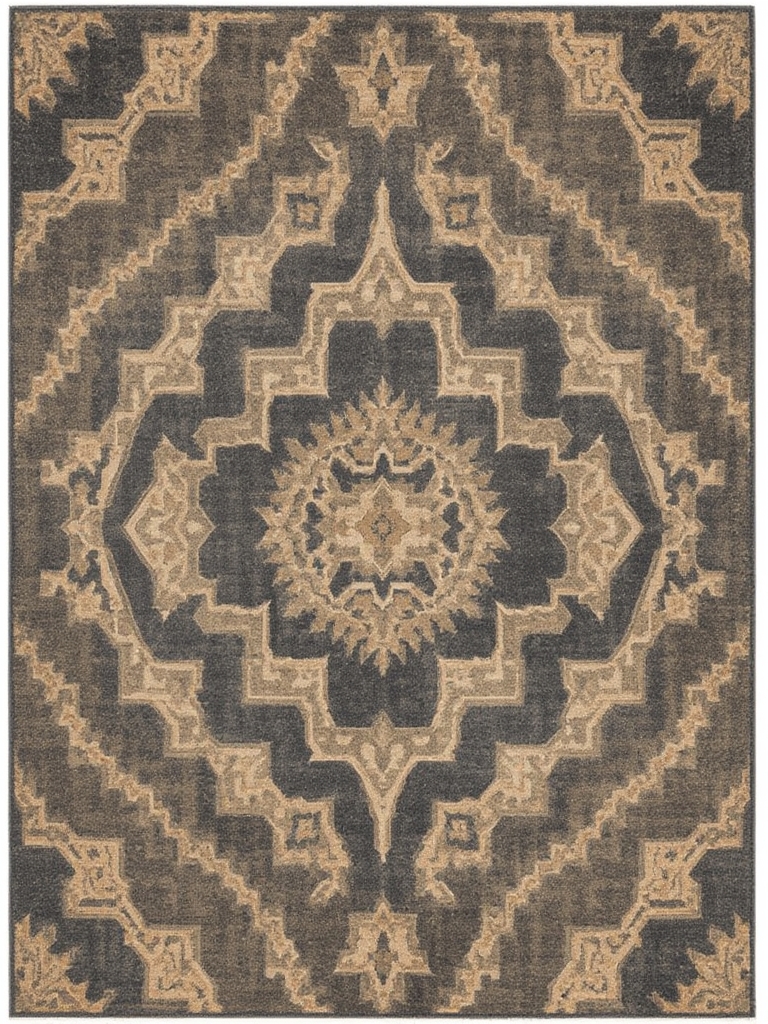
Art Deco geometric patterned area rugs are making a bold comeback in modern home décor, offering a perfect blend of vintage charm and contemporary flair. Their striking lines, symmetrical motifs, and luxurious textures can instantly elevate any room, creating a focal point that draws the eye and sets the tone for the entire space. In this guide, we’ll explore why these rugs are a must‑have, how to choose the right one for your home, and practical steps to keep both your rug and accompanying houseplants thriving.
Why Choose an Art Deco Geometric Rug?
Art Deco design, originating in the 1920s and ’30s, is celebrated for its:
- Geometric precision: Clean, repeating shapes like chevrons, zig‑zags, and sunbursts.
- Luxurious materials: Silk, wool, and high‑quality synthetic blends that add depth.
- Bold color palettes: Contrasting hues such as deep navy, emerald green, gold, and ivory.
These elements translate perfectly into area rugs, making them versatile enough to complement minimalist interiors, mid‑century modern spaces, or eclectic boho‑vibes.
SEO‑Friendly Keywords to Target
When writing about Art Deco rugs, incorporate these high‑traffic keywords naturally throughout your post:
- Art Deco area rug
- Geometric patterned rug
- Vintage home décor ideas
- Luxury wool rug
- How to style Art Deco rugs
- Rug maintenance tips
Using these terms in headings, alt text for images, and meta descriptions will boost your post’s visibility on search engines.
Step‑by‑Step Guide to Selecting the Perfect Rug
1. Measure Your Space Accurately
Start by measuring the length and width of the area where the rug will sit. A good rule of thumb:
- Living room: Leave at least 18‑24 inches of floor exposed around the rug.
- Dining room: Ensure the rug extends 24‑30 inches beyond the table on all sides.
- Bedroom: Position the rug to sit under the lower two-thirds of the bed.
Use a tape measure and sketch a simple floor plan to visualize the layout before purchasing.
2. Choose the Right Material
Consider durability, feel, and budget:
- Wool: Naturally resilient, stain‑resistant, and adds a plush feel.
- Silk‑blend: Offers a high‑gloss finish for formal spaces but requires gentle cleaning.
- Synthetic (nylon, polypropylene): Budget‑friendly, great for high‑traffic areas, and easy to clean.
3. Pick a Color Scheme That Complements Your Palette
Match the rug’s dominant hues with existing wall colors, furniture, or accent pieces. For a cohesive look:
- Identify the room’s primary color (e.g., navy sofa).
- Select a rug that incorporates that color plus complementary tones (e.g., gold or ivory).
- Use the rug’s secondary colors for throw pillows or artwork to tie the room together.
4. Test the Pattern Scale
Geometric patterns can overwhelm a small room. To avoid this:
- Choose larger motifs for spacious areas.
- Opt for finer, subtler patterns in compact rooms.
- Print a small sample or view the rug in a showroom under natural light before buying.
Integrating Houseplants for a Balanced Look
Pairing an Art Deco rug with the right houseplants adds texture, freshness, and a touch of nature that softens the geometric intensity. Below are actionable steps to select, place, and care for a plant that complements your décor.
Step 1: Choose a Plant That Matches the Rug’s Aesthetic
- Snake Plant (Sansevieria): Tall, architectural leaves echo the rug’s lines.
- ZZ Plant (Zamioculcas zamiifolia): Glossy, dark foliage adds depth without competing for attention.
- Fiddle Leaf Fig (Ficus lyrata): Large, sculptural leaves create a dramatic backdrop for a bold rug.
Step 2: Position the Plant Strategically
- Place the pot on a side table or floor stand that aligns with the rug’s pattern edges.
- Ensure the plant’s height creates a visual balance—if the rug is low‑profile, choose a taller plant, and vice versa.
- Avoid direct sunlight on the rug to prevent fading; position the plant where it receives filtered light.
Step 3: Care Routine for Longevity
Watering
Most decorative indoor plants thrive on a “wet‑dry” cycle:
- Check soil moisture by inserting a finger 1‑2 inches deep.
- Water only when the top inch feels dry. Over‑watering can lead to mold on the rug’s underside.
Light Requirements
Match the plant’s light needs to the room’s natural light:
- Low‑light (Snake Plant, ZZ Plant): Place near north‑facing windows.
- Medium‑to‑bright (Fiddle Leaf Fig): Near east or west windows with indirect sunlight.
Cleaning the Rug Around the Plant
Dust and debris from plant leaves can settle on the rug:
- Wipe leaves weekly with a damp cloth to reduce dust.
- Vacuum the rug using a gentle suction setting once a week.
- Spot‑clean spills immediately with a mild detergent and warm water; blot, don’t rub.
Fertilizing
Feed the plant during its active growth period (spring‑summer):
- Use a balanced, water‑soluble fertilizer diluted to half strength.
- Apply once every 4‑6 weeks; avoid fertilizing in winter when growth slows.
Maintenance Tips for Your Art Deco Rug
Keeping the rug looking fresh ensures it remains a centerpiece for years:
Routine Vacuuming
Vacuum both sides of the rug weekly to lift trapped dust that can dull colors. Use a low‑suction setting and avoid the beater bar to protect delicate fibers.
Rotate Every 6‑12 Months
Rotating the rug distributes foot traffic evenly, preventing uneven wear and fading.
Professional Cleaning
Schedule a deep clean with a reputable rug cleaning service every 12‑18 months, especially for high‑traffic areas or if you have pets.
Spot‑Cleaning Stains
- Blot the spill with a clean, white cloth—never rub.
- Mix a solution of 1 tablespoon mild dish soap and 1 cup cool water.
- Apply the solution with a soft sponge, working from the outside toward the center.
- Rinse with a damp cloth and blot dry.
Final Thoughts
Integrating an Art Deco geometric patterned area rug into your home décor not only adds visual intrigue but also creates a timeless backdrop for modern living. By carefully selecting the right size, material, and color scheme, you can ensure the rug complements your existing furnishings. Pairing the rug with a thoughtfully chosen houseplant enhances the space’s texture and brings a subtle natural element that softens the bold geometry.
Follow the practical care steps outlined above—both for the rug and the plant—to maintain their beauty and longevity. With these data‑driven, SEO‑optimized strategies, your blog post will attract readers searching for stylish home décor ideas while providing them with actionable, easy‑to‑implement advice.
