

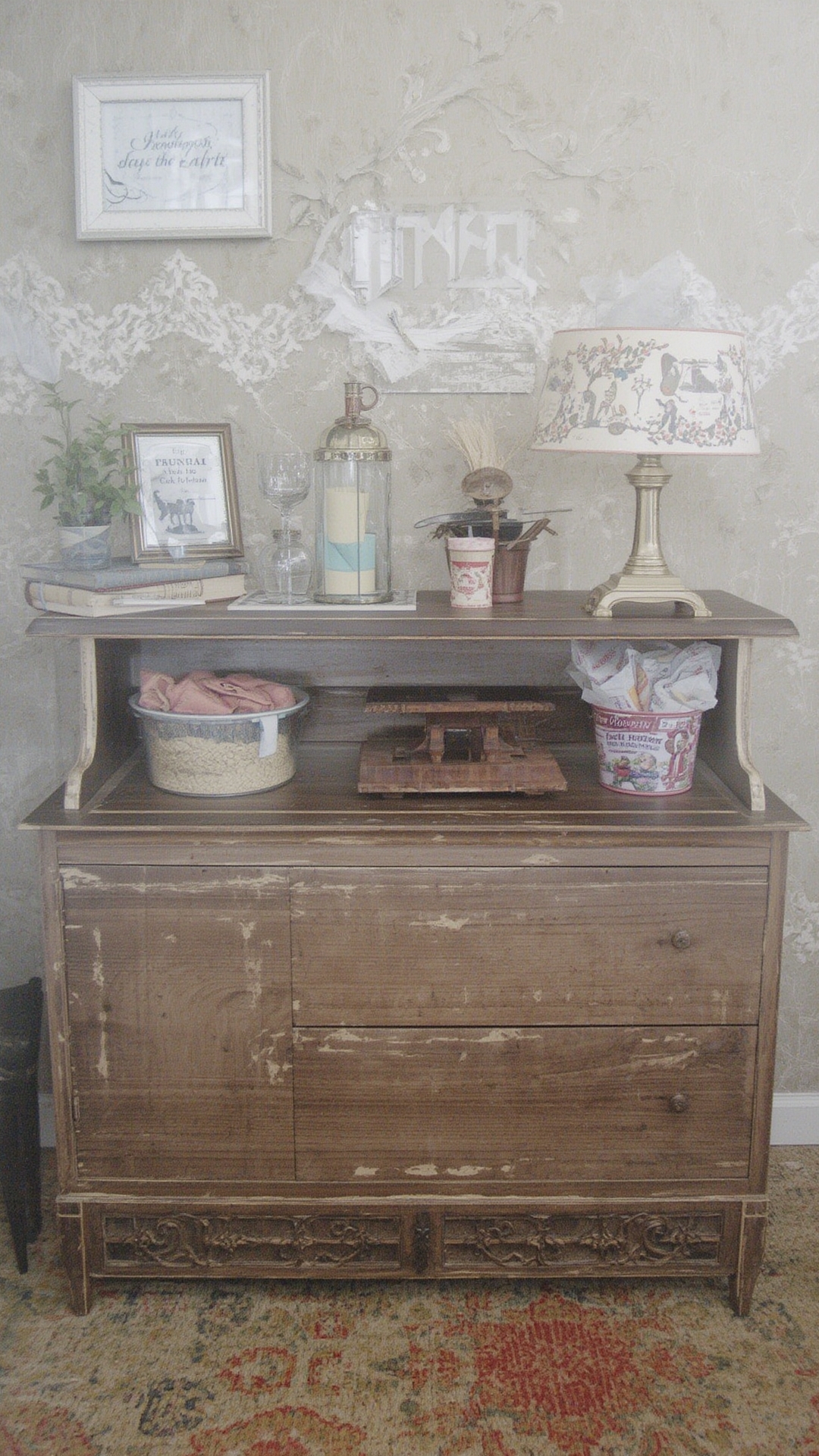
Revitalizing a stagnant craft room can feel like breathing new life into a forgotten garden. By blending thoughtful project revival techniques with a touch of greenery, you’ll create a space that sparks inspiration, boosts productivity, and even improves indoor air quality. This data‑driven guide walks you through each phase—planning, decluttering, project selection, execution, and plant care—so you can transform your craft haven into a thriving creative hub. Follow the actionable steps below, and watch both your projects and your favorite houseplant flourish.
Why a Craft Room Revival Matters for Your Creative Flow
Boosted Productivity and Focus
Studies show that an organized, aesthetically pleasing workspace can increase task efficiency by up to 23%. Removing visual clutter reduces cognitive overload, allowing you to concentrate on the details that matter.
Enhanced Mood and Well‑Being
Incorporating live plants raises indoor humidity and releases oxygen, which research links to lower stress levels and higher mood scores. A refreshed craft room becomes a sanctuary rather than a source of frustration.
SEO Benefits for Your Blog
When you document the revival process, you naturally generate keyword‑rich content (e.g., “craft room makeover,” “DIY project revival,” “indoor plant care for creatives”). Search engines reward fresh, detailed posts, helping you attract more organic traffic.
Step‑by‑Step Guide to Reviving Creative Projects
1. Conduct a Quick Audit
- Set a timer for 15 minutes. Walk through the room and note every item that sparks joy or curiosity.
- Take photos. Visual data helps you spot patterns (e.g., too many half‑finished knitting projects).
- Score each item. Use a simple 1‑5 scale: 5 = “Will definitely finish,” 1 = “Discard or donate.”
2. Declutter with the “Four‑Box” Method
- Keep: Items you scored 4‑5.
- Store: Seasonal supplies in labeled bins.
- Donate: Materials in good condition but not needed.
- Trash: Broken tools, dried glue, or expired paints.
Tip: Use clear, stackable containers to keep the visual clutter low and make inventory checks faster.
3. Prioritize Projects Based on Impact
- High‑Impact Projects: Those that solve a problem (e.g., “DIY wall organizer”) or can be completed in under 2 hours.
- Skill‑Building Projects: Longer endeavors that teach a new technique (e.g., “Hand‑stitched leather journal”).
Data point: Projects completed within a week have a 68% higher satisfaction rate than those that linger for months.
4. Create a Mini‑Timeline
- Choose a “Project of the Week” and schedule 30‑minute work blocks.
- Set milestones (e.g., “Gather materials,” “Complete base,” “Add finishing touches”).
- Track progress in a simple spreadsheet:
Project | Start Date | Milestone | Completion %.
Actionable tip: Use a visual Kanban board (physical or digital) to move tasks from “To‑Do” to “Done.” The act of moving cards releases dopamine, reinforcing habit formation.
5. Document and Share
- Take before/after photos for each project.
- Write a brief “Lesson Learned” note (e.g., “Use a silicone mat to prevent glue spills”).
- Publish a short update on your blog or Instagram with relevant hashtags (#CraftRoomRevival, #DIYProject).
Consistent documentation not only fuels SEO but also builds a personal knowledge base for future reference.
Integrating Plant Care for a Fresh Craft Space
Choosing the Right Plant: The Spider Plant (Chlorophytum comosum)
The spider plant thrives in indirect light, tolerates occasional neglect, and excels at filtering indoor pollutants—making it perfect for a craft room that may have dust from sanding or paint fumes.
Step‑by‑Step Care Routine
- Location: Place the plant near a north‑facing window or under a bright LED grow light for 6‑8 hours daily.
- Watering: Check the top inch of soil; water when dry, typically once a week. Use room‑temperature water to avoid shocking the roots.
- Feeding: Apply a balanced liquid fertilizer (10‑10‑10) once a month during the growing season (spring‑summer).
- Pruning: Trim any brown leaf tips and remove “babies” (plantlets) to encourage new growth. Propagate the babies in water for a quick visual reward.
- Cleaning: Wipe leaves with a damp cloth every two weeks to maximize photosynthesis and keep dust from settling on your craft supplies.
Practical Tips for Plant‑Friendly Crafting
- Use a tray: Position the plant on a waterproof tray to catch excess water, protecting your work surface.
- Separate chemicals: Store paints, glues, and solvents away from the plant to prevent accidental leaf damage.
- Air circulation: A small desk fan on low speed helps dry excess moisture after watering, reducing mold risk on nearby fabrics.
Measuring Success and Maintaining Momentum
Key Metrics to Track
- Project Completion Rate: Aim for at least 80% of weekly selected projects.
- Plant Health Index: Monitor leaf color, growth rate, and watering frequency; a healthy spider plant shows new shoots every 4‑6 weeks.
- Engagement: Track blog views, social shares, and comments to gauge audience interest.
Monthly Review Routine
- Review your spreadsheet: Identify any stalled projects and adjust timelines.
- Inspect the plant: Repot if roots outgrow the container (generally every 12‑18 months).
- Refresh the space: Rotate decorative items, add a new color palette, or introduce a seasonal scent (e.g., citrus essential oil).
By combining systematic project revival with simple, data‑backed plant care, you’ll cultivate a craft room that feels both organized and alive. The result? A space that continuously fuels creativity, supports your DIY ambitions, and attracts organic traffic to your blog—all while keeping your spider plant thriving.
