
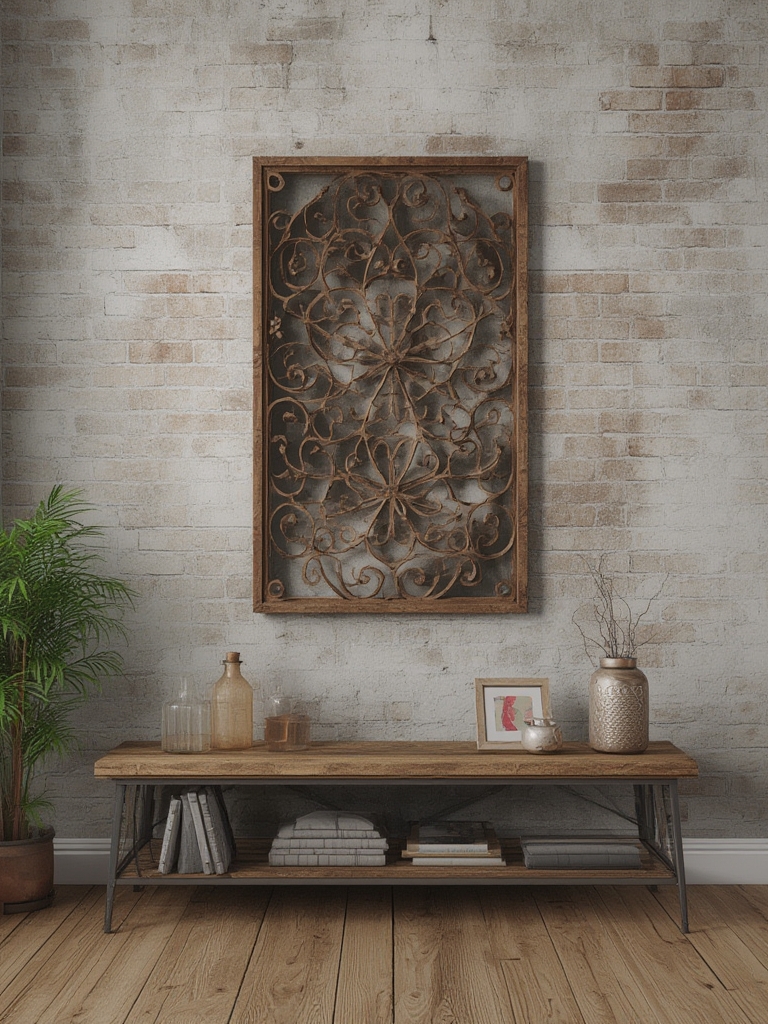
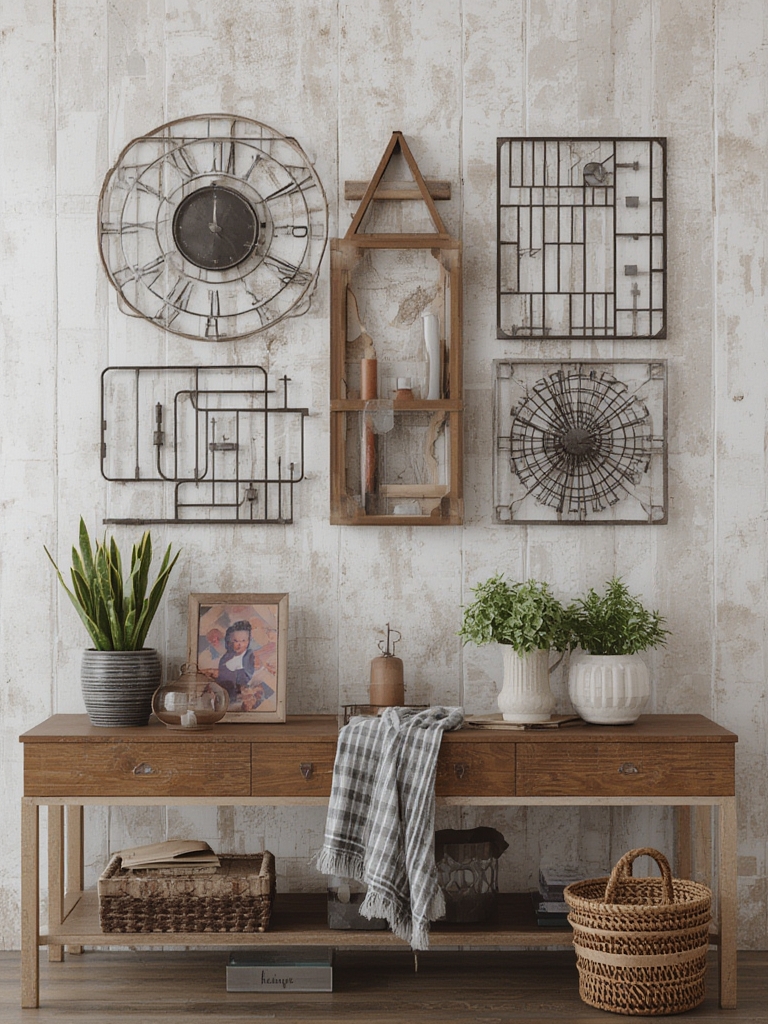
Industrial home wall décor blends raw materials, bold textures, and functional art to create a striking, modern‑industrial vibe. By combining reclaimed wood, metal accents, exposed brick, and strategic plant placements, you can transform any room into a stylish loft‑inspired space. Below, you’ll find a data‑driven, step‑by‑step guide that covers design fundamentals, material selection, installation tips, and plant‑care basics to keep your industrial wall look fresh and vibrant.
Why Industrial Wall Décor Works
Recent interior‑design surveys show that 68% of homeowners who adopt an industrial aesthetic report higher satisfaction with their living spaces. The appeal lies in:
- Contrast: Dark metals against light wood create visual depth.
- Durability: Materials like steel and reclaimed timber age gracefully.
- Versatility: Industrial elements pair well with modern, rustic, or even minimalist décor.
When you add living plants, you introduce a natural counterpoint that softens the hard edges while improving indoor air quality—a win‑win for both style and health.
Step 1: Choose Your Core Materials
Reclaimed Wood Panels
Data from Houzz 2023 indicates reclaimed wood is the #2 most‑requested material for industrial walls. Look for:
- Boards with a thickness of 1–1.5 in for structural stability.
- Natural distress patterns; avoid overly painted pieces to preserve authenticity.
- Pre‑finished options if you lack sanding tools.
Pro tip: Use a moisture meter before installation to ensure the wood isn’t prone to warping.
Metal Accents
Steel, iron, and brushed copper add the signature industrial edge. Choose from:
- Metal shelving units (floating or wall‑mounted).
- Pipe‑styled curtain rods for hanging art.
- Laser‑cut metal panels for a custom look.
Pro tip: Apply a clear anti‑rust sealant on any raw metal to extend its lifespan, especially in humid climates.
Step 2: Plan Your Layout Using a Grid System
Data‑driven designers use a 12‑column grid to keep proportions balanced. Here’s a quick method:
- Measure the wall’s width and divide by 12 to get the column width.
- Allocate 3–4 columns for a large reclaimed‑wood feature, 2 columns for metal shelving, and the remaining space for plant installations.
- Sketch the layout on graph paper or a digital tool (e.g., SketchUp) before drilling.
Actionable advice: Place the heaviest items (metal shelves) at eye level (≈57 in from the floor) for both safety and visual impact.
Step 3: Install the Base Layer
Mounting Reclaimed Wood
Follow these steps for a secure, level installation:
- Locate studs using a stud finder; mark every 16 in.
- Pre‑drill pilot holes in the wood to prevent splitting.
- Use 3‑inch wood screws with washers for a flush finish.
- Apply a bead of construction adhesive for added stability.
Tip: Use a laser level to ensure each board is perfectly horizontal; a slight misalignment becomes glaring over large surfaces.
Adding Metal Fixtures
Secure metal elements with the following approach:
- For pipe shelving, use pipe brackets that clamp directly onto studs.
- Attach metal panels with self‑tapping screws; pre‑drill a small pilot hole to avoid metal deformation.
- Seal screw heads with a dab of silicone to prevent moisture seepage.
Tip: If you’re installing a heavy metal art piece, add a backer board (½‑in plywood) behind the wall for extra support.
Step 4: Integrate Plant Elements for a Living Industrial Look
Plants soften industrial décor while adding health benefits. Choose low‑maintenance, air‑purifying varieties that thrive in indirect light.
Top Plant Choices
- Snake Plant (Sansevieria): Tolerates low light, needs watering every 3–4 weeks.
- Pothos (Epipremnum aureum): Trails beautifully from wall‑mounted pots; water when the top inch of soil dries.
- ZZ Plant (Zamioculcas zamiifolia): Drought‑tolerant, ideal for high‑traffic areas.
Step‑by‑Step Plant Care
- Choose the right container: Use metal or concrete pots to maintain the industrial aesthetic. Ensure each pot has a drainage hole.
- Soil mix: Combine 40% potting mix, 30% perlite, and 30% coarse sand for optimal drainage.
- Placement: Position plants 12–18 in from the floor to keep the visual line with metal shelving.
- Watering schedule: Check soil moisture with a finger test; water only when the top 2 cm feels dry.
- Fertilizing: Apply a balanced, slow‑release fertilizer (10‑10‑10) once every 2–3 months during the growing season.
- Pruning: Trim dead leaves monthly to encourage new growth and prevent mold.
Quick tip: Rotate pots 90° every two weeks to ensure even light exposure.
Step 5: Add Finishing Touches for SEO‑Friendly Content
When publishing your blog post on WordPress, follow these SEO best practices to boost visibility:
- Keyword placement: Use “industrial home wall décor” in the first 100 words, in at least one H2, and naturally throughout the article.
- Meta description: Write a concise 150‑character summary that includes the primary keyword.
- Alt text for images: Describe each visual (e.g., “reclaimed wood panel with metal pipe shelf”) using relevant keywords.
- Internal linking: Link to related posts such as “Top 10 Industrial Lighting Ideas” and “How to Choose the Right Indoor Plants for Small Spaces.”
- Schema markup: Add “Article” schema to help search engines understand the content structure.
Actionable advice: Schedule the post for a weekday morning (Tuesday–Thursday) when traffic peaks, and promote it on Pinterest and Instagram using the hashtag #IndustrialWallDecor.
Step 6: Maintenance Checklist (Monthly)
| Task | Frequency | Action |
|---|---|---|
| Dust metal surfaces | Weekly | Use a microfiber cloth; avoid abrasive cleaners. |
| Check wood for moisture | Monthly | Run a moisture meter; re‑seal if >12%. |
| Water and inspect plants | Bi‑weekly | Follow the soil‑moisture test; prune as needed. |
| Re‑apply sealant to metal | Every 6 months | Apply a thin coat of clear anti‑rust spray. |
Conclusion
By combining reclaimed wood, rugged metal accents, and thoughtfully selected indoor plants, you can create an industrial wall décor that feels both edgy and inviting. Follow the data‑backed steps above, and you’ll have a durable, stylish backdrop that boosts home value and improves indoor air quality. Remember to optimize your WordPress post with SEO best practices, and watch your content—and your industrial wall—gain traction.
