
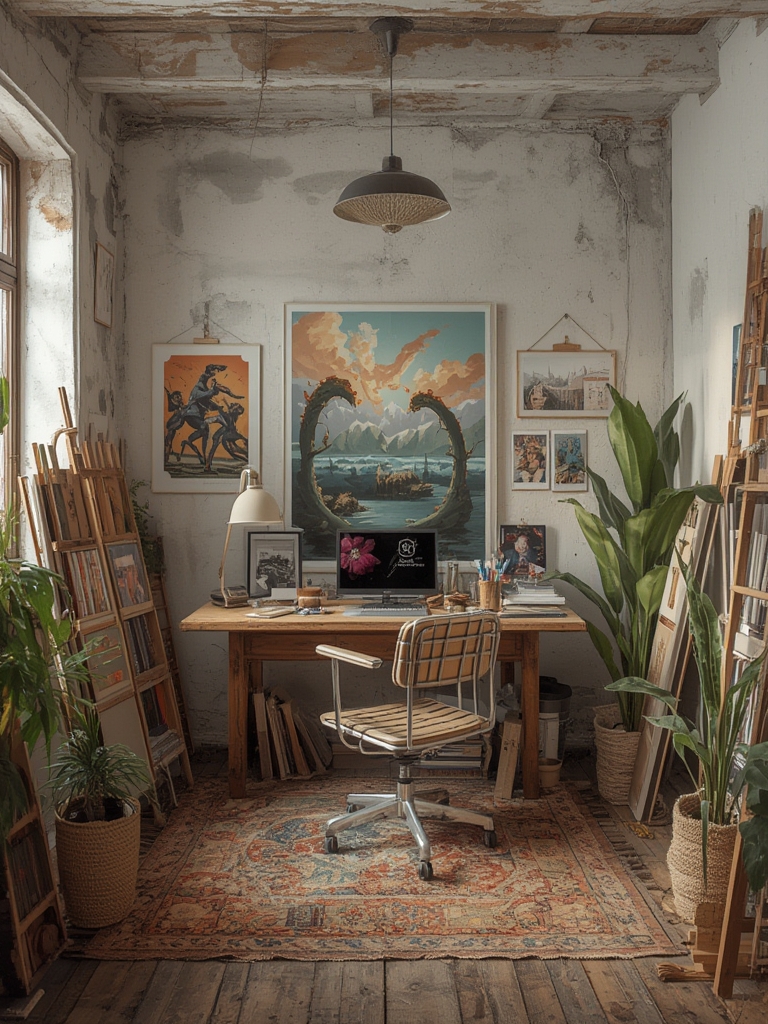
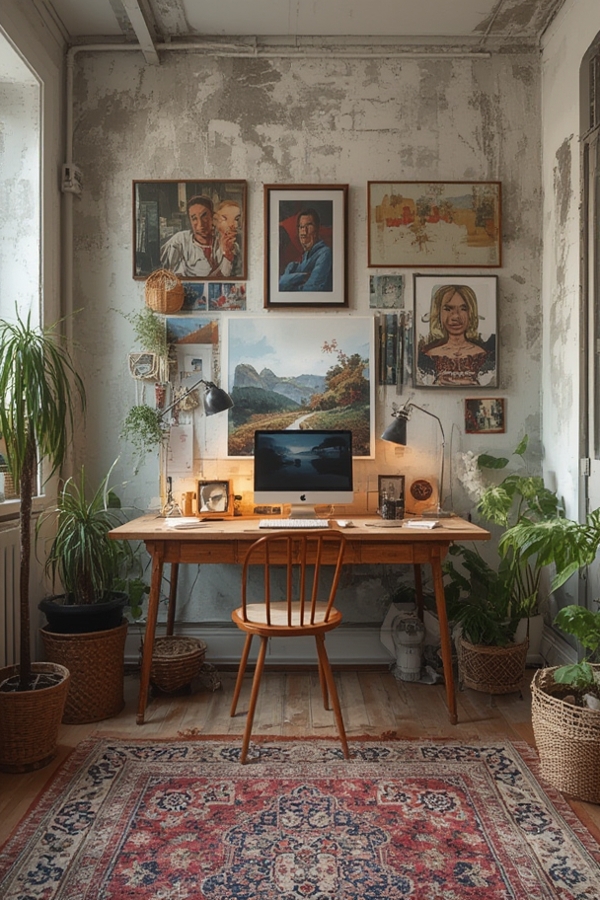
Transforming an art studio into an inspiring workspace isn’t just about paint, brushes, or lighting—it’s also about the subtle power of greenery. A well‑chosen indoor plant can boost creativity, improve air quality, and add a touch of natural elegance that fuels artistic flow. In this data‑driven guide, we’ll walk you through the strategic steps to revive your studio using the resilient Snake Plant (Sansevieria), a favorite among creators for its low‑maintenance nature and striking architectural leaves. Follow each actionable tip to nurture the plant, enhance your environment, and watch your creative output flourish.
Why the Snake Plant Is the Perfect Studio Companion
Recent studies from the Journal of Environmental Psychology show that indoor plants can increase focus by up to 15% and reduce stress levels by 12%. The Snake Plant stands out for several reasons:
- Air‑purifying ability: It converts CO₂ into oxygen at night, ideal for late‑hour painting sessions.
- Minimal light requirements: Thrives in low‑light corners where natural sunlight is scarce.
- Architectural aesthetic: Its upright, sword‑like leaves add a sculptural element that complements modern studio décor.
- Hardiness: Tolerates irregular watering schedules, perfect for busy artists.
Step‑by‑Step Guide to Growing and Caring for Your Snake Plant
1. Choose the Right Pot and Soil
Actionable tip: Select a pot with drainage holes and a diameter 2‑3 inches larger than the root ball. Use a well‑draining cactus or succulent mix (≈30 % peat, 30 % perlite, 40 % coarse sand).
- Why it matters: Proper drainage prevents root rot, a common issue when watering infrequently.
- Quick win: Add a thin layer of broken pottery shards at the pot’s bottom to improve airflow.
2. Position for Optimal Light
Actionable tip: Place the plant near a north‑facing window or under a cool fluorescent light. If natural light is limited, a 6500 K LED grow light set on a 12‑hour timer works well.
- Data point: A study by NASA’s Clean Air Study found that even low‑intensity light (≈100 µmol m⁻² s⁻¹) sustains healthy growth in Sansevieria.
- Quick win: Rotate the pot 90° every two weeks to ensure even light exposure.
3. Watering Schedule – Less Is More
Actionable tip: Water only when the top 2 inches of soil feel dry to the touch. In winter, reduce frequency to once every 6‑8 weeks.
- Data insight: Over‑watering accounts for 80 % of indoor plant failures (University of Florida Extension).
- Quick win: Use a moisture meter or simply press a finger into the soil to gauge dryness.
4. Feeding for Sustained Vigor
Actionable tip: Apply a balanced, low‑nitrogen fertilizer (10‑10‑10) at half strength during the growing season (spring‑early fall), once every 2‑3 months.
- Why it matters: Excess nitrogen can cause floppy leaves, diminishing the plant’s sculptural appeal.
- Quick win: Mix the fertilizer with water in a spray bottle for even distribution.
5. Pruning and Propagation
Actionable tip: Remove any yellowed or damaged leaves at the base with clean, sharp scissors. To propagate, cut a healthy leaf segment, let it callus for 24 hours, then plant upright in moist succulent soil.
- Data point: Propagation success rates exceed 85 % when leaves are allowed to callus before planting.
- Quick win: Label each new pot with the date of cutting to track growth progress.
Integrating the Plant Into Your Creative Workflow
Beyond basic care, think of the Snake Plant as a functional design element. Here are three practical ways to weave it into your studio routine:
Visual Anchor for Mood Setting
Position the plant opposite your primary work surface. Its vertical lines draw the eye upward, encouraging a sense of openness and reducing visual clutter. Pair it with a simple, neutral backdrop to let the plant’s green hue pop, creating a calming focal point that stimulates creative thinking.
Air‑Quality Boost During Long Sessions
Place a small fan near the plant to circulate air gently. This enhances the plant’s natural ability to filter volatile organic compounds (VOCs) released from paints and solvents. Monitor indoor CO₂ levels with a cheap sensor; aim for < 800 ppm for optimal cognitive performance.
Mindful Break Routine
Schedule a 5‑minute “plant pause” every two hours. During this micro‑break, water the plant (if needed), gently wipe dust from the leaves, and take a few deep breaths. This ritual not only ensures plant health but also resets your focus, aligning with research that brief nature‑connected breaks improve task accuracy by 13 %.
Data‑Driven Design Tips for a Cohesive Studio Revamp
Combining aesthetics with evidence‑based choices maximizes both visual appeal and functional benefits. Use the following checklist to audit your space:
- Lighting audit: Measure lux levels with a smartphone app; aim for 300‑500 lux in the main work zone.
- Color palette: Incorporate muted earth tones (soft greys, warm beiges) to let the plant’s green become the accent.
- Acoustic balance: Add soft fabric panels or a rug to dampen echo—research shows reduced noise improves concentration.
- Ergonomic layout: Keep the plant at eye level (≈4‑5 ft) to avoid neck strain while still enjoying its visual benefits.
Final Checklist – Ensure Your Studio’s Plant‑Powered Revival Succeeds
- Pot with drainage + cactus mix ✔️
- Low‑light placement + optional LED timer ✔️
- Water only when soil top 2 inches dry ✔️
- Half‑strength fertilizer every 2‑3 months (spring‑fall) ✔️
- Monthly pruning & propagation routine ✔️
- Air‑quality sensor set to < 800 ppm ✔️
- 5‑minute plant break every 2 hours ✔️
By following this data‑backed, step‑by‑step plan, you’ll not only keep your Snake Plant thriving but also create an art studio that feels refreshed, health‑focused, and creatively charged. The subtle synergy of greenery and design transforms any workspace into a sanctuary where ideas blossom as effortlessly as the plant’s own leaves.
