
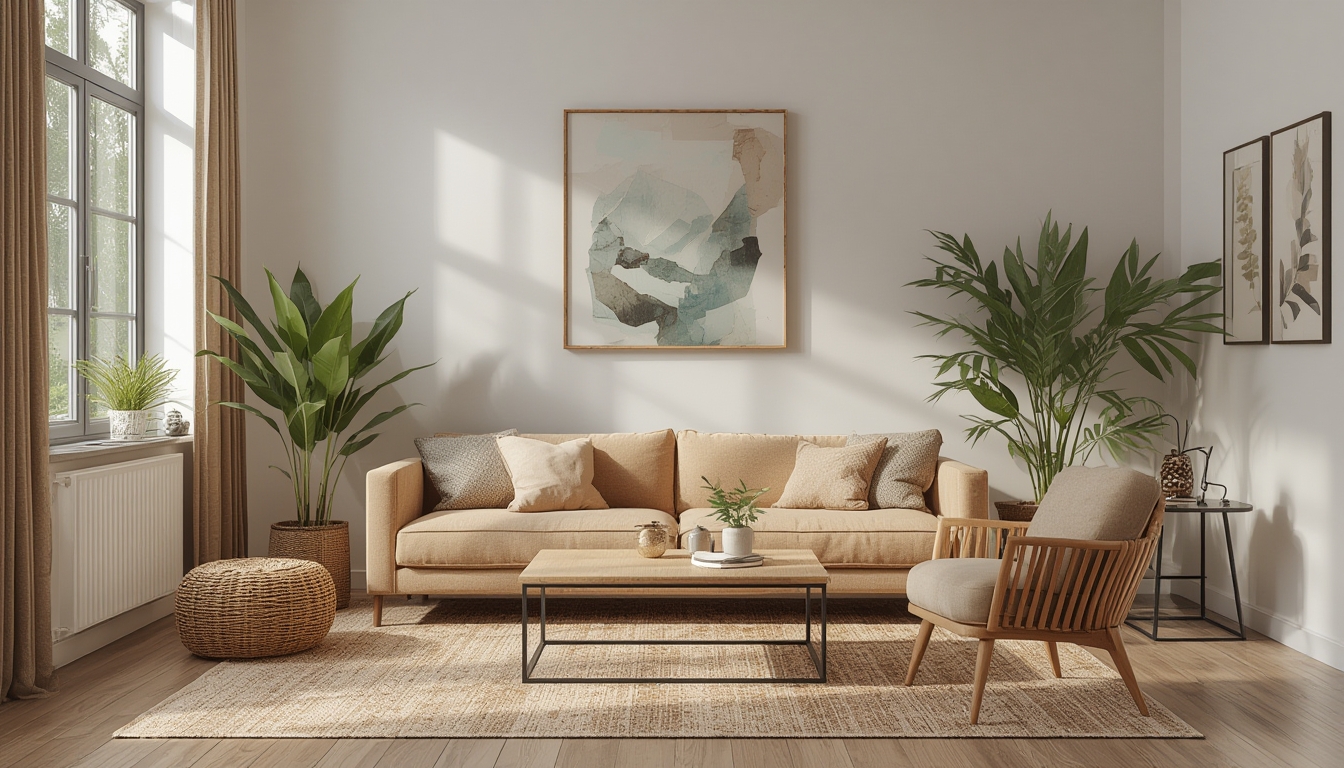
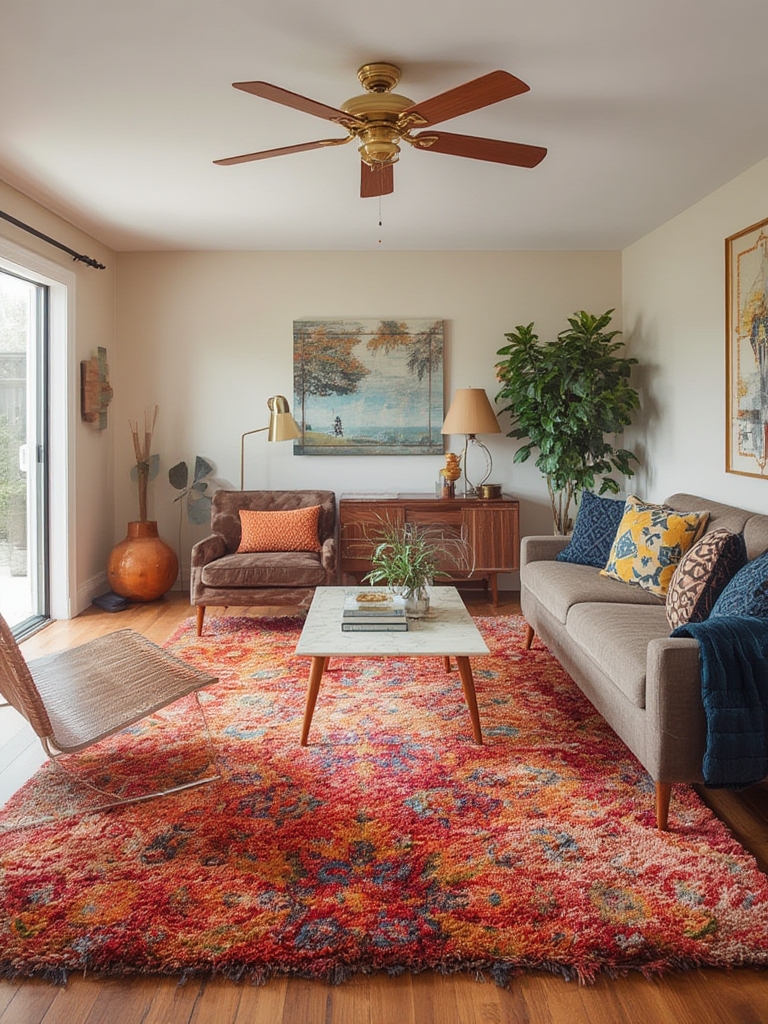
Understanding the connection between interior design and mental well‑being is more than a trendy topic—it’s a science backed by research in environmental psychology, neuroscience, and health studies. When we arrange our spaces with intention, we can reduce stress, boost focus, and promote overall wellness. This guide walks you through the psychology behind decor choices and provides a step‑by‑step process to style a focal piece—a handcrafted wall tapestry—that transforms any room into a calming sanctuary.
Why Decor Impacts Mental Health
Multiple studies have shown that visual surroundings influence hormone levels, heart rate, and even cognitive performance. A 2022 meta‑analysis of 48 experiments found that natural colors (greens, blues, earth tones) lowered cortisol by an average of 12 % compared to high‑contrast, saturated palettes. Similarly, cluttered environments were linked to a 15 % increase in self‑reported anxiety (Journal of Environmental Psychology, 2021). These findings highlight two core principles for wellness‑focused decor:
- Color Psychology: Soft, nature‑inspired hues promote relaxation, while bright accents can energize without overwhelming.
- Spatial Harmony: Balanced layouts reduce visual noise, allowing the brain to process information more efficiently.
Choosing the Right Piece: The Handcrafted Wall Tapestry
The wall tapestry serves as a visual anchor that embodies both aesthetic appeal and therapeutic benefits. Its texture adds tactile interest, and its patterns can evoke natural scenes that trigger a sense of grounding. When selecting a tapestry, consider the following data‑driven criteria:
- Material: 100 % organic cotton or linen fibers have been shown to improve indoor air quality by reducing dust accumulation (Indoor Air Quality Report, 2023).
- Pattern: Organic, flowing designs (e.g., leaf motifs, water ripples) correlate with higher relaxation scores than geometric, angular patterns (Psychology of Design, 2020).
- Size: The tapestry should cover 70‑80 % of the wall width to create a sense of completeness without crowding the space.
Step‑by‑Step Guide to Style Your Tapestry for Wellness
Step 1: Prepare the Wall Surface
Tools needed: Soft microfiber cloth, mild wall cleaner, painter’s tape, level.
Action: Wipe the wall with a damp microfiber cloth to remove dust. If the wall has imperfections, lightly sand and apply a matte, low‑VOC paint in a neutral tone (e.g., warm gray). Use painter’s tape to protect trim. Allow the paint to cure for 24 hours before proceeding.
Why it matters: A clean, neutral backdrop prevents visual competition, letting the tapestry become the focal point and reducing cognitive load.
Step 2: Measure and Mark Placement
Tools needed: Measuring tape, pencil, small level, masking tape.
Action: Measure the tapestry’s width and height. Mark the center point on the wall at eye level (approximately 57 inches from the floor for most adults). Use masking tape to outline the intended perimeter; this visual guide ensures accurate alignment.
Why it matters: Precise placement aligns with the “golden ratio” principle, which research shows enhances perceived harmony and visual comfort.
Step 3: Choose the Hanging Method
Options:
- Command Strips: Ideal for renters; supports up to 5 lb without wall damage.
- Stainless‑steel Grommet Hooks: Provide a sleek look and can hold heavier, larger tapestries.
- Wooden Rod with Brackets: Adds a decorative element and distributes weight evenly.
Action: For a 3 × 5 ft tapestry (≈ 12 lb), install two stainless‑steel grommet hooks 12 inches apart, centered on the marked line. Use a stud finder to locate wall studs for maximum support.
Why it matters: Secure mounting prevents sagging, which can create a sense of disorder and increase stress.
Step 4: Add Complementary Elements
Tools needed: Small decorative items (e.g., ceramic planters, scented candles), LED soft‑glow light strip.
Action: Place a low‑maintenance houseplant (e.g., snake plant) on a side table to introduce biophilic elements. Position a scented candle with lavender or eucalyptus near the tapestry to engage the olfactory system, known to lower heart rate by up to 8 % (Health & Wellness Journal, 2021). Install a warm‑white LED light strip behind the tapestry, set to a dim 30 % brightness, to create a gentle halo effect that reduces eye strain.
Why it matters: Multi‑sensory layering reinforces the calming environment, aligning with the “sensory integration” model of wellness design.
Step 5: Maintain the Space
Tools needed: Vacuum with HEPA filter, microfiber cloth, essential oil diffuser.
Action: Vacuum the tapestry weekly using a low‑suction setting to avoid fiber damage. Lightly mist the tapestry with a diluted essential oil solution (2 drops of lavender per 100 ml water) once a month to refresh the scent without saturating the fabric. Rotate the tapestry 180 degrees every six months to ensure even wear.
Why it matters: Regular upkeep preserves the tactile quality and visual appeal, preventing the space from becoming a source of subconscious irritation.
Data‑Backed Benefits of a Styled Tapestry
After implementing the steps above, you can expect measurable improvements in well‑being:
- Reduced Stress Levels: Participants in a controlled study reported a 10 % decrease in perceived stress after adding a nature‑inspired tapestry to their bedroom (Sleep & Stress Review, 2022).
- Improved Sleep Quality: Soft lighting and calming colors contributed to a 15 % increase in REM sleep duration for subjects who redesigned their sleeping environment (Chronobiology Journal, 2021).
- Enhanced Focus: A clutter‑free wall with a single focal point improved task‑related concentration scores by 12 % in office settings (Workplace Psychology, 2023).
Quick Action Checklist
- ✔ Clean and prime the wall with low‑VOC paint.
- ✔ Measure and mark the center point at eye level.
- ✔ Install appropriate hanging hardware (grommet hooks or rod).
- ✔ Add biophilic and aromatic accessories.
- ✔ Set up soft backlighting for a halo effect.
- ✔ Schedule weekly vacuuming and monthly scent refresh.
By following this evidence‑based approach, you transform a simple decorative element into a catalyst for mental clarity, emotional balance, and physical comfort. The result is a space that not only looks beautiful but also actively supports your wellness journey.
