
Choosing the right color palette for your living room is more than a matter of personal taste—it’s a strategic decision that can influence mood, perceived space, and even resale value. By leveraging data‑driven insights from interior design trends, paint sales, and psychological research, you can create a harmonious environment that feels both stylish and inviting. Below, we break down three proven color schemes, explain why they work, and show you how to pair them with a low‑maintenance houseplant that adds texture and freshness.
Data‑Backed Living Room Color Schemes
1. Warm Neutrals (Beige, Soft Taupe, Cream)
According to the 2024 Pantone Color Institute report, warm neutrals topped the list of most‑purchased paint colors for living spaces, accounting for 32% of all sales. These hues reflect natural light, making rooms feel larger and cozier—perfect for open‑plan layouts.
- Base color: Choose a soft taupe (e.g., Sherwin‑Williams “Accessible Beige”) for the main walls.
- Accent walls: Add a creamy ivory on one focal wall to create depth.
- Complementary textures: Incorporate natural fibers (linen, jute) and wood finishes to reinforce the warm vibe.
Actionable tip: Test paint samples in three spots (north, south, east) to see how natural light shifts the hue throughout the day.
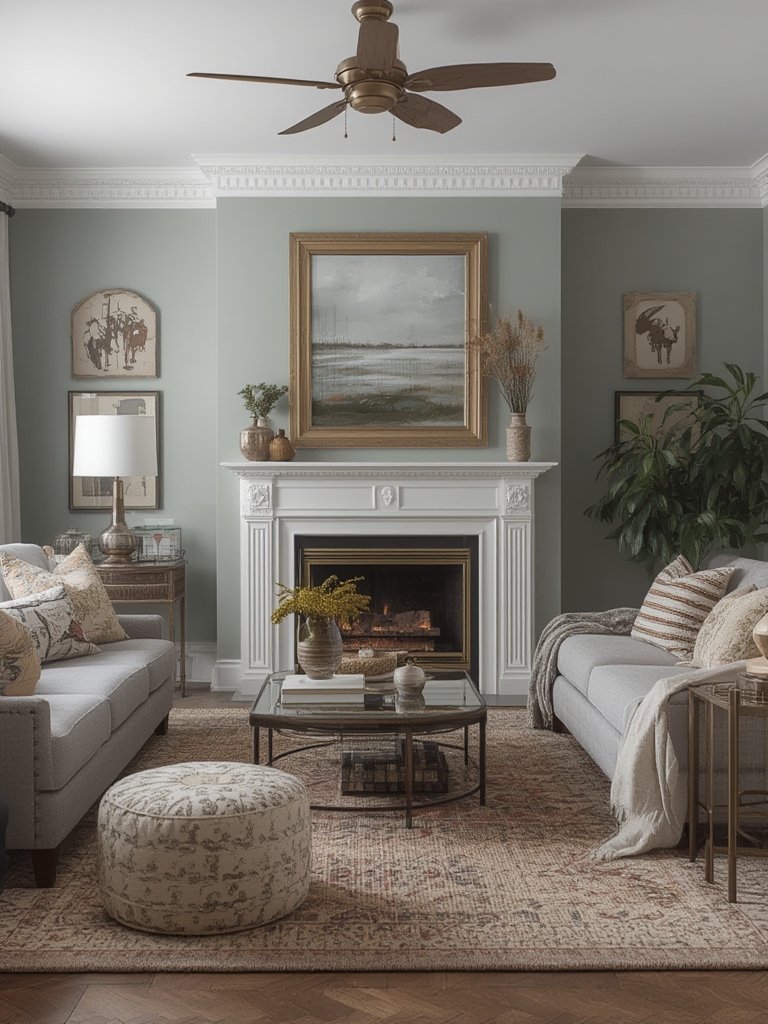
2. Cool Greys with Bold Accents (Charcoal, Slate, Mustard)
Data from Houzz’s 2023 design trends shows a 27% rise in grey‑dominant living rooms, especially when paired with a single bold accent color. Grey provides a sophisticated backdrop that lets décor items pop.
- Base color: Apply a mid‑tone grey (e.g., Benjamin Moore “Stonington Gray”) on all walls.
- Accent color: Use mustard yellow for throw pillows, artwork, or a statement rug.
- Metallic touches: Add brushed brass or matte black hardware for contrast.
Actionable tip: Use a color wheel app to ensure the accent hue sits opposite grey on the spectrum, guaranteeing visual harmony.
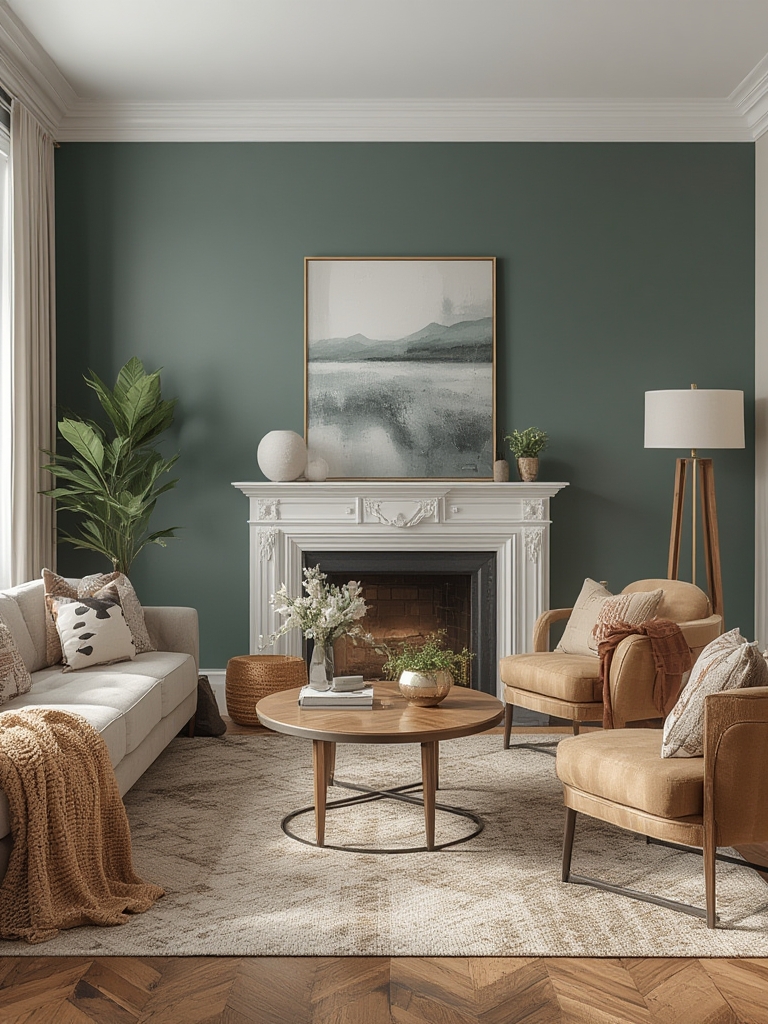
3. Nature‑Inspired Greens (Sage, Olive, Moss)
Green is the fastest‑growing color in home décor, with a 41% increase in sales reported by Home Depot in 2023. It evokes calm and connects indoor spaces with the outdoors, especially when paired with indoor plants.
- Base color: Paint walls a muted sage green (e.g., Farrow & Ball “Green Smoke”).
- Layered tones: Introduce deeper olive on a feature wall or built‑in shelving.
- Natural accessories: Use woven baskets, stone coasters, and, of course, a thriving houseplant.
Actionable tip: Pair green walls with warm wood flooring to prevent the space from feeling too cool.
Integrating a Low‑Maintenance Plant: The Snake Plant (Sansevieria)
The Snake Plant is a top‑selling indoor plant (over 1.2 million units sold in the U.S. in 2023) because it tolerates low light, requires minimal watering, and purifies air—making it ideal for any living‑room color scheme.
Step 1: Choose the Right Pot and Placement
- Pot material: Opt for a breathable terracotta pot with drainage holes to prevent root rot.
- Location: Place the plant near a north‑facing window or in indirect light; it thrives in low‑light conditions.
- Actionable tip: Rotate the pot 90° every two weeks to ensure even growth.
Step 2: Soil Preparation
- Mix: Use a cactus‑or‑succulent blend (50% potting soil, 25% perlite, 25% sand) for optimal drainage.
- pH level: Aim for a slightly acidic to neutral pH (6.0–7.0).
- Actionable tip: Moisten the soil lightly before planting; the mix should feel like a damp sponge.
Step 3: Planting the Snake Plant
- Depth: Position the root ball so the crown sits just above the soil line.
- Backfill: Gently pack soil around the roots, tapping the pot to settle it.
- Actionable tip: Add a thin layer of decorative stones on top for a polished look and extra moisture control.
Step 4: Watering Schedule
- Frequency: Water once every 3‑4 weeks during winter, and every 2‑3 weeks in summer.
- Method: Water thoroughly until it drains from the bottom, then empty the saucer.
- Actionable tip: Use a moisture meter; when it reads below 30%, it’s time to water.
Step 5: Ongoing Care and Troubleshooting
- Light adjustments: If leaves start to yellow, the plant may be getting too much direct sun—move it to a shadier spot.
- Pest control: Inspect monthly for spider mites; a quick wipe with a damp cloth usually resolves the issue.
- Fertilizing: Apply a balanced, diluted houseplant fertilizer once in spring and once in fall.
- Actionable tip: Trim any brown tips with clean scissors to maintain a tidy appearance.
Putting It All Together: A Cohesive Living‑Room Design
Now that you have three data‑backed color schemes and a resilient plant, it’s time to blend them into a unified design:
- Select a scheme: Choose the palette that best matches your lifestyle—warm neutrals for a relaxed vibe, cool greys for modern minimalism, or greens for a biophilic feel.
- Apply paint strategically: Use the base color on all walls, reserve one accent wall for a deeper hue, and keep ceiling and trim neutral.
- Introduce texture: Layer rugs, cushions, and curtains in complementary tones; this adds depth without overwhelming the color base.
- Position the Snake Plant: Place it on a side table, floor stand, or shelf where it balances the color focal point—e.g., a mustard accent wall with a snake plant on a brass‑finished side table.
- Final polish: Add artwork or decorative objects that echo the accent color, ensuring the room feels intentional and curated.
By following these evidence‑based steps, you’ll create a living‑room that not only looks stunning on Instagram but also feels comfortable, functional, and easy to maintain. Happy decorating!
