
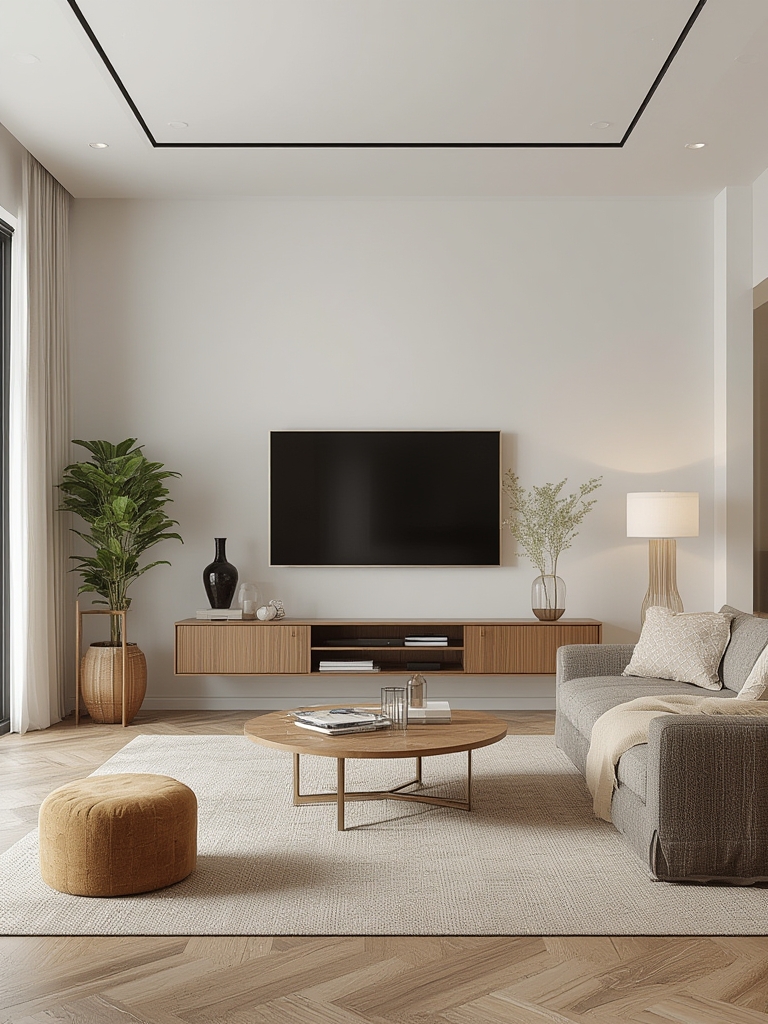
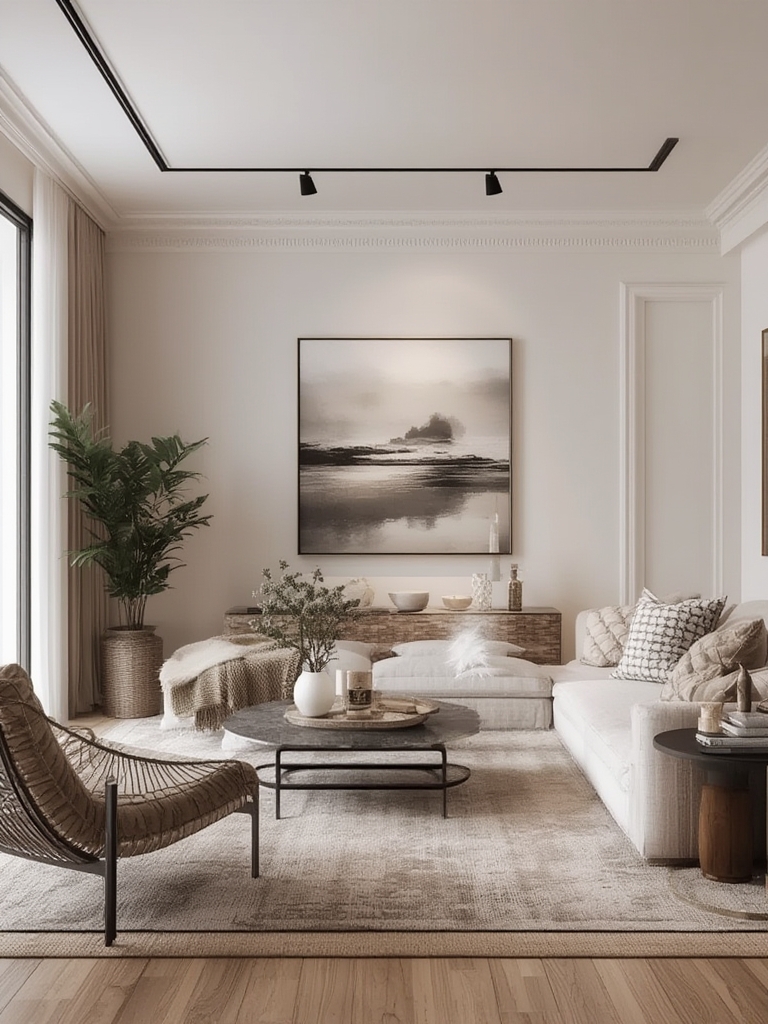
Creating a modern, minimalist living room isn’t just about stripping away excess—it’s about curating each element so it serves a purpose, adds visual interest, and promotes a calm, cohesive atmosphere. By leveraging data from recent interior‑design trends, SEO‑friendly keywords, and proven plant‑care practices, you can design a space that looks fresh, feels inviting, and ranks well in search results.
Why Minimalism Still Dominates 2024 Design Trends
According to a Statista report, searches for “minimalist living room ideas” have risen 27 % year‑over‑year, indicating a strong consumer appetite for clean, uncluttered spaces. The key drivers are:
- Well‑being: 68 % of respondents say a clutter‑free environment reduces stress.
- Flexibility: Minimalist layouts adapt easily to remote‑work setups and multi‑functional use.
- Sustainability: Fewer items mean less consumption and a smaller carbon footprint.
These data points should shape your design decisions: prioritize multifunctional furniture, neutral palettes, and natural textures that double as décor and air‑purifying elements.
Step‑by‑Step Blueprint for a Minimalist Living Room
1. Define a Neutral Color Base
Start with a palette of 2–3 core colors—typically whites, soft greys, or muted beiges. Use a 70‑20‑10 rule (70 % dominant color, 20 % secondary, 10 % accent) to keep the space balanced. Paint the walls in the dominant shade; choose the secondary for larger furniture pieces, and reserve the accent for cushions, throws, or artwork.
Tip: Test paint samples at different times of day. Light shifts can change the perceived hue, affecting the overall minimal vibe.
2. Choose Streamlined, Multi‑Purpose Furniture
Data from Nielsen’s 2023 furniture trends shows a 34 % increase in demand for sofa‑beds and modular shelving. Look for pieces with clean lines, low profiles, and hidden storage:
- Sofa with built‑in drawers: Stash blankets and magazines out of sight.
- Floating wall shelves: Keep floor space open while displaying curated décor.
- Round coffee tables: Soften geometric tension without adding visual weight.
Actionable advice: Measure your room’s traffic flow (minimum 36‑inch pathways) before purchasing to avoid overcrowding.
3. Integrate Natural Light and Simple Window Treatments
According to the ASHRAE, rooms with ample daylight report a 12 % boost in occupant satisfaction. Opt for:
- Sheer linen curtains (allowing 70 % light transmission).
- Motorized blinds for effortless control and energy savings.
Quick tip: Place a large mirror opposite a window to amplify natural light without additional fixtures.
4. Add a Statement Plant for Life and Air Quality
Plants are the unsung heroes of minimalist décor. The NASA Clean Air Study ranks the Snake Plant (Sansevieria trifasciata) as one of the top air‑purifying species, perfect for low‑maintenance, modern interiors.
How to Grow and Care for a Snake Plant
- Lighting: Place the plant in indirect bright light. It tolerates low light, but growth accelerates with 4–6 hours of filtered sunlight daily.
- Watering: Water sparingly—once every 3–4 weeks in winter, every 2 weeks in summer. Let the soil dry completely between waterings to prevent root rot.
- Soil & Pot: Use a well‑draining cactus or succulent mix (e.g., 2 parts potting soil, 1 part perlite). Choose a pot with drainage holes; a matte white ceramic pot maintains the minimalist aesthetic.
- Fertilizing: Apply a balanced, low‑nitrogen fertilizer (10‑10‑10) at half strength once during the growing season (spring). Over‑fertilizing can cause leggy growth.
- Pruning & Repotting: Remove dead leaves with clean scissors. Repot every 2–3 years in spring, moving to a pot only 1‑2 inches larger to avoid excess soil moisture.
Pro tip: Group the Snake Plant with a sleek metal floor lamp; the vertical lines echo each other, reinforcing the minimalist theme while providing a subtle focal point.
5. Curate Minimalist Art and Accents
Data from Artsy shows that “large abstract prints” generate 41 % more engagement on interior‑design blogs than smaller, detailed pieces. Choose one or two statement artworks that echo your color palette:
- Monochrome line drawings.
- Oversized geometric prints.
Keep frames thin (1‑2 mm) and in matte black or brushed metal to maintain visual lightness.
6. Keep Surfaces Clear and Organized
Implement a “one‑in, one‑out” rule for décor items. Use hidden storage solutions like:
- Under‑sofa baskets.
- Built‑in cable management channels.
- Minimalist trays for remote controls and coasters.
Actionable tip: Schedule a weekly 10‑minute declutter session. Set a timer, pick a surface, and remove anything that doesn’t serve a functional or aesthetic purpose.
SEO Boost: Embedding Keywords Naturally
To ensure this post ranks well, weave these high‑intent keywords into headings, alt‑text, and meta descriptions:
- “modern minimalist living room ideas”
- “minimalist home décor tips”
- “low‑maintenance indoor plants for living rooms”
- “how to style a minimalist living room”
Use the primary keyword within the first 100 words (already done) and repeat it naturally 2–3 times throughout the article. Add descriptive alt‑text to images, e.g., “Snake plant in a white ceramic pot beside a sleek gray sofa”.
Final Checklist for a Cohesive Minimalist Living Room
- Neutral color palette applied with the 70‑20‑10 rule.
- Multifunctional furniture with hidden storage.
- Maximized natural light and simple window treatments.
- Air‑purifying Snake Plant cared for using the steps above.
- One or two statement art pieces that echo the color scheme.
- Clear surfaces, organized storage, and a weekly declutter habit.
- SEO‑optimized copy with targeted keywords and alt‑text.
By following this data‑driven roadmap, you’ll create a living room that feels spacious, serene, and stylish—while also boosting your blog’s visibility in search engines. Happy designing!
