
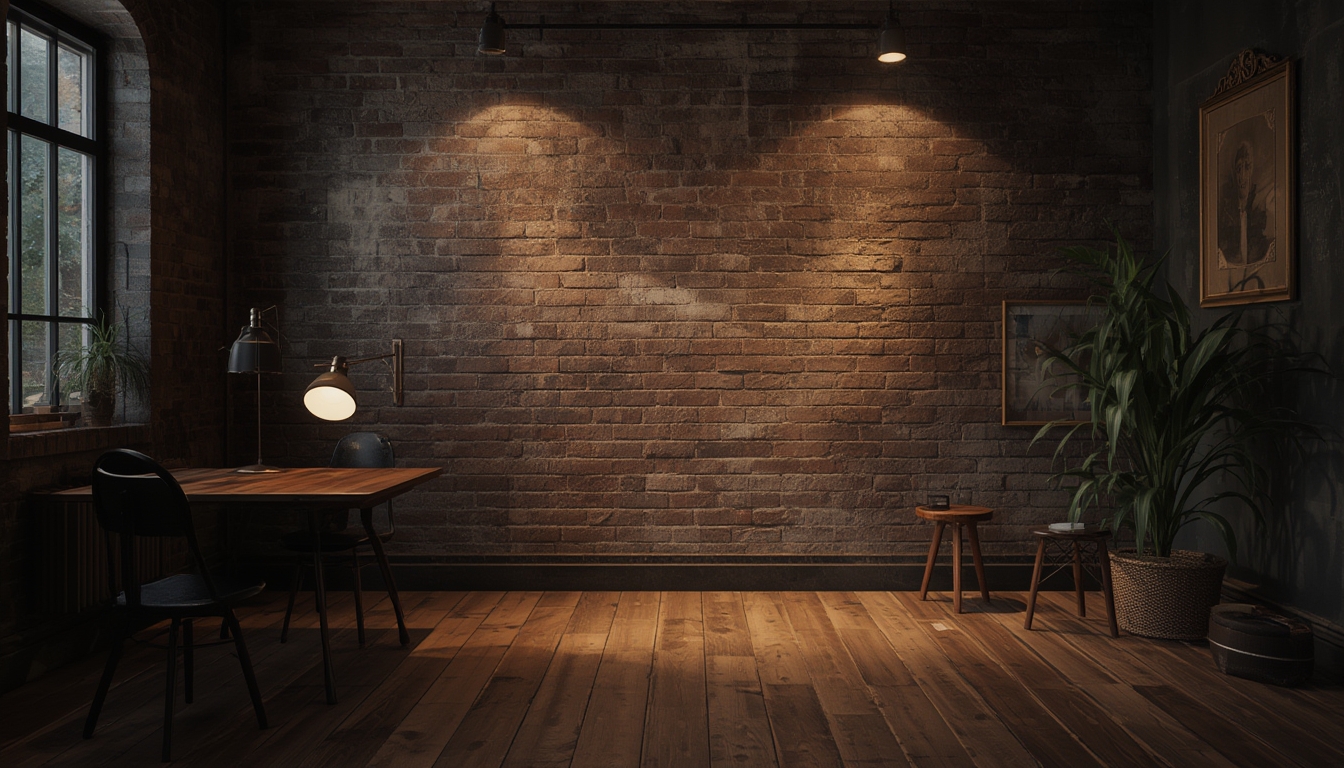

Understanding the Style Spotlight
The Style Spotlight is a versatile lighting fixture that blends modern design with classic elegance. Whether you’ve just unboxed a brand‑new piece, inherited a vintage model, or want to give an existing fixture a fresh look, the following guide walks you through every stage—assembly, restoration, and styling. Each step includes the exact tools you’ll need, practical tips, and small actions that keep the process smooth and error‑free.
Essential Tools and Materials
- Screwdriver set – flat‑head and Phillips (size #2 is most common)
- Adjustable wrench – for tightening nuts on the mounting bracket
- Wire stripper/cutter – to expose clean copper strands
- Electrical tape – for secure connections
- Non‑metallic pliers – ideal for gripping delicate parts without scratching
- Soft cloth & mild cleaner – for dust removal and surface polishing
- Sandpaper (220‑grit) – for minor surface prep before repainting
- Spray paint (heat‑resistant) – if you plan a color refresh
- LED bulbs (compatible wattage) – recommended for energy efficiency
- Safety gear – gloves and safety glasses
Step‑by‑Step Assembly
1. Unbox and Inspect
Action: Lay all components on a clean, flat surface. Verify that you have the following:
- Base plate or mounting bracket
- Spotlight arm(s) and head
- Electrical cord with plug (or hard‑wire kit)
- Screws, nuts, and washers
- Instruction manual (keep for reference)
Tip: Use a flashlight to check for any missing or damaged parts before proceeding. Document any issues with a photo; many manufacturers honor warranty claims when you have visual proof.
2. Prepare the Mounting Location
Action: Identify the ceiling joist or wall stud where the spotlight will be installed. Mark the exact drill points using a pencil.
Tools: Drill with a 1/8‑inch wood bit (for studs) or a masonry bit (for concrete).
Tip: If you’re mounting on drywall without a stud, use a toggle bolt to ensure the weight is supported.
3. Attach the Base Plate
Action: Align the base plate with the marked holes. Insert the provided screws, then tighten with a screwdriver. Do not over‑tighten; the plate should sit flush without cracking the drywall.
Tip: Apply a small dab of silicone sealant around the screw heads if the fixture will be in a high‑humidity area (e.g., kitchen).
4. Connect the Electrical Wiring
- Turn off power at the circuit breaker.
- Strip ~½ inch of insulation from each wire (black, white, and ground).
- Match colors: black to black (hot), white to white (neutral), and green/bare to ground.
- Twist the exposed copper strands together, then secure with a wire nut.
- Wrap each connection with electrical tape for added safety.
Safety Note: Double‑check that the wires are firmly seated in the nut before restoring power.
5. Mount the Spotlight Arm
Action: Slide the arm into the base plate’s socket. Most Style Spotlights use a quick‑lock mechanism: push the arm in, then rotate the locking collar clockwise until it clicks.
Tip: If the arm feels stiff, gently wiggle it while applying light pressure. Avoid forcing the piece, which can damage the internal gear.
6. Install the Light Head and Bulb
Action: Screw the light head onto the arm’s end. Insert an LED bulb, making sure the wattage matches the fixture’s rating (usually 10‑20 W).
Tip: Use a bulb with a CRI (Color Rendering Index) of 80+ for true‑to‑life color reproduction in the room.
7. Final Adjustments and Testing
Turn the power back on and test the spotlight. Adjust the head angle using the built‑in swivel until you achieve the desired illumination pattern. If the light flickers, re‑check the wiring connections.
Restoration: Bringing a Vintage Style Spotlight Back to Life
1. Disassembly for Cleaning
Start by removing the light head and any decorative glass or lenses. Keep screws organized in a small tray. Use non‑metallic pliers to gently detach any clips that hold the metal housing together.
2. Surface Preparation
Wipe away dust with a soft, lint‑free cloth. For stubborn grime, dampen the cloth with a mixture of mild dish soap and water (1:10 ratio). Avoid abrasive cleaners that can strip the original finish.
3. Removing Old Paint or Patina
If the metal has flaked paint, lightly sand the area with 220‑grit sandpaper. Work in a well‑ventilated space and wear a mask to avoid inhaling fine particles.
Tip: For intricate details, wrap a piece of fine‑mesh screen around the sandpaper to protect delicate patterns.
4. Repainting (Optional)
- Apply a thin coat of primer designed for metal surfaces. Let it dry for 15‑20 minutes.
- Spray the heat‑resistant paint in light, even passes. Two to three coats will give a uniform finish.
- Allow each coat to cure according to the manufacturer’s instructions (usually 24 hours for full hardness).
Data‑Driven Insight: A study by the Lighting Research Center found that a fresh, reflective paint finish can increase perceived brightness by up to 12% without changing the bulb’s wattage.
5. Restoring Glass or Crystal Elements
Soak glass pieces in warm, soapy water for 10 minutes. Use a soft brush to remove mineral deposits. For crystal, a mixture of equal parts white vinegar and water works well; rinse thoroughly and dry with a microfiber cloth.
6. Reassembly
Follow the original assembly steps in reverse order. Double‑check that all screws are snug but not stripped. Re‑install the bulb and test the fixture before mounting it back on the ceiling or wall.
Styling Your Space with the Style Spotlight
1. Choosing the Right Placement
Data from interior design surveys shows that spotlights positioned 6‑8 feet above a focal point (e.g., artwork, a reading nook) create optimal visual impact. Use a laser level to mark the exact height before installation.
2. Layering Light for Mood
Combine the Style Spotlight with ambient lighting (e.g., recessed ceiling lights) and task lighting (e.g., floor lamps). This three‑layer approach balances brightness and reduces eye strain.
Actionable Advice: Dim the spotlight to 30‑40% using a compatible dimmer switch for evenings; this preserves the fixture’s aesthetic while softening the glow.
3. Color Temperature Matching
LED bulbs come in a range of color temperatures:
- 2700 K – Warm white (cozy, residential)
- 3000 K – Soft white (neutral)
- 4000 K – Cool white (modern, workspaces)
Match the bulb’s temperature to the room’s existing palette. For a living room with warm wood tones, 2700 K creates harmony; for a home office, 4000 K enhances focus.
4. Accent Features
Attach a decorative diffuser or a colored gel to the spotlight head for a pop of hue. Secure the gel with a small piece of double‑sided tape—ensure it does not touch the bulb directly to avoid overheating.
5. Seasonal Adjustments
During holidays, swap the standard bulb for a low‑wattage string of fairy lights wrapped around the arm. This adds festive sparkle without compromising the fixture’s structural integrity.
Maintenance Checklist
- Quarterly: Dust the exterior with a dry cloth; check for loose screws.
- Bi‑annual: Test the wiring connections; tighten any that have settled.
- Yearly: Replace the LED bulb to maintain optimal lumen output.
- Every 2‑3 years: Inspect the paint finish; touch up any chips to prevent rust.
Final Thoughts
The Style Spotlight is more than a functional light source; it’s a design statement that can be assembled, restored, and styled with confidence. By following the detailed steps above—armed with the right tools, a data‑backed approach to placement, and practical styling tricks—you’ll ensure the fixture shines beautifully for years to come. Happy lighting!
