

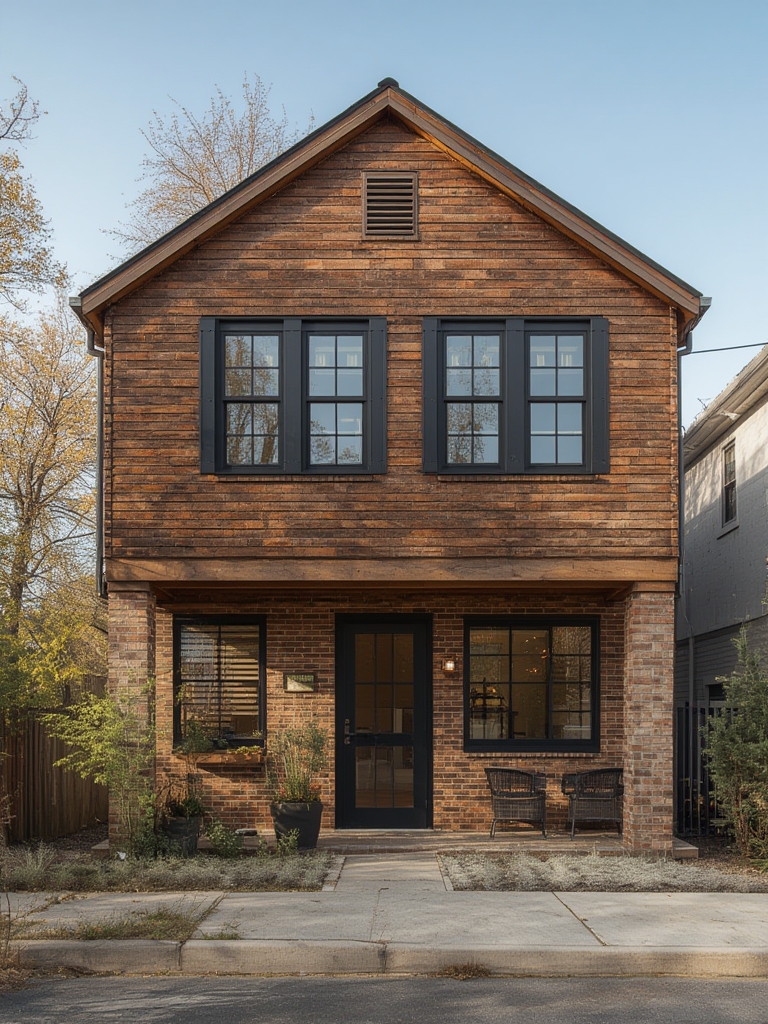
Industrial home architecture blends raw, utilitarian elements with modern comfort, creating spaces that feel both edgy and inviting. By embracing exposed brick, steel beams, reclaimed wood, and open‑plan layouts, homeowners can achieve a distinctive aesthetic that stands out in today’s design landscape. This guide walks you through the essential steps to design, build, and maintain an industrial‑style home while also incorporating low‑maintenance indoor plants that enhance the rugged vibe and improve indoor air quality.
Step 1: Define Your Industrial Vision
Before any demolition or purchase, clarify the look you want. Industrial design can range from loft‑style open spaces to more subtle, industrial‑inspired accents. Use the following checklist:
- Key Materials: Exposed concrete, brick, steel, reclaimed wood.
- Color Palette: Neutral tones—grays, blacks, whites—paired with warm wood hues.
- Lighting: Industrial pendant lights, metal floor lamps, and large factory‑style windows.
- Furniture: Minimalist pieces with metal frames, leather upholstery, and vintage accents.
Document your choices in a mood board (Pinterest or Canva) and save high‑resolution images for reference. This data‑driven approach helps you stay consistent and makes it easier to communicate with contractors.
Step 2: Plan the Layout for Maximum Impact
Open‑Plan Living
Industrial homes thrive on spaciousness. Remove non‑load‑bearing walls to create a fluid flow between kitchen, dining, and living areas. Use floor‑plan software (SketchUp, RoomSketcher) to visualize traffic patterns and ensure furniture placement won’t obstruct natural pathways.
Zoning with Industrial Elements
Even in an open layout, define zones with:
- Concrete or polished concrete flooring that extends throughout the space.
- Area rugs made of natural fibers to soften acoustic harshness.
- Metal shelving units that double as room dividers.
Step 3: Choose Materials That Age Gracefully
Exposed Brick
Leave brick walls uncovered or use reclaimed brick veneer for a quick transformation. Seal the brick with a breathable, water‑based sealant to protect against moisture while preserving its texture.
Concrete Floors
Polished concrete offers durability and a sleek look. Add a matte sealer to prevent slipping. For a warmer feel, place area rugs in high‑traffic zones.
Reclaimed Wood
Use reclaimed wood for accent walls, ceiling beams, or floating shelves. Sand lightly to remove splinters, then apply a clear matte finish to highlight the grain without darkening the wood.
Step 4: Install Industrial Lighting
Lighting sets the tone. Combine the following fixtures for a layered effect:
- Ceiling: Oversized metal pendant lights with Edison‑style bulbs.
- Task: Adjustable metal desk lamps for workspaces.
- Accent: LED strip lighting hidden behind reclaimed wood shelves.
Use dimmers to transition from bright work lighting to a cozy evening ambiance. Position lights near windows to maximize natural daylight, a key factor in SEO‑friendly interior photography.
Step 5: Integrate Low‑Maintenance Indoor Plants
Plants soften the raw edges of industrial design while boosting indoor air quality. Choose hardy varieties that thrive in low‑light, low‑maintenance conditions.
Plant Choice: Snake Plant (Sansevieria)
Snake plants are virtually indestructible and thrive in indirect light—perfect for loft‑style spaces with large windows that receive filtered sunlight.
Actionable Care Tips
- Watering: Water once every 3‑4 weeks. Allow the soil to dry completely between waterings to prevent root rot.
- Light: Place near a north‑facing window or under a frosted glass pane. They tolerate low light but will grow faster in bright, indirect light.
- Soil: Use a well‑draining cactus mix (sand, perlite, peat). This mimics their native arid environment.
- Potting: Choose a metal or concrete planter to echo the industrial aesthetic. Ensure the pot has drainage holes.
- Cleaning: Wipe leaves with a damp cloth monthly to remove dust and maintain photosynthetic efficiency.
Plant Choice: ZZ Plant (Zamioculcas zamiifolia)
ZZ plants tolerate neglect and thrive in low‑light corners, making them ideal for industrial spaces with darker alcoves.
Actionable Care Tips
- Watering: Water every 4‑6 weeks; over‑watering is the most common mistake.
- Light: Tolerates low to medium indirect light. Avoid direct sunlight, which can scorch the glossy leaves.
- Soil: Use a light, well‑aerated potting mix with added perlite.
- Potting: A matte black metal pot complements the industrial vibe while providing adequate drainage.
- Maintenance: Remove any yellowing leaves to keep the plant looking sleek.
Step 6: Optimize for SEO and User Engagement
To ensure your blog post ranks well and attracts readers interested in industrial home design, follow these data‑driven SEO practices:
- Keyword Research: Target long‑tail keywords such as “industrial home architecture ideas,” “how to design an industrial loft,” and “low‑maintenance plants for industrial interiors.” Use tools like Ahrefs or Ubersuggest to gauge search volume and competition.
- Meta Description: Write a concise 150‑160 character summary that includes the primary keyword. Example: “Discover step‑by‑step tips for creating an industrial‑style home, from raw materials to low‑maintenance plants that enhance the look.”
- Header Structure: Use H2 for main sections and H3/H4 for sub‑topics, as demonstrated above. This hierarchy improves readability for both users and search engines.
- Internal Links: Link to related posts on your site, such as “Top 5 Industrial Lighting Fixtures” or “Best Concrete Flooring Options.”
- Image Optimization: Include high‑resolution photos of brick walls, concrete floors, and the featured plants. Compress images (WebP format) and add descriptive alt text like “exposed brick wall in industrial living room” or “snake plant in concrete planter.”
- Schema Markup: Implement
Articleschema to help search engines understand the content type, boosting rich‑snippet potential.
Step 7: Maintain the Industrial Aesthetic Over Time
Routine Cleaning
Dust can dull the sleek surfaces typical of industrial design. Adopt a weekly cleaning schedule:
- Vacuum concrete floors with a soft brush attachment.
- Wipe brick walls using a dry microfiber cloth; spot‑clean with a mild, pH‑balanced cleaner if stains appear.
- Polish metal fixtures with a non‑abrasive metal polish to prevent oxidation.
Seasonal Updates
Swap out plant varieties seasonally to keep the space fresh. In summer, add a tall fiddle‑leaf fig near a sunlit window; in winter, replace it with a hardy ZZ plant to maintain greenery without extra care.
Conclusion: Blend Raw Materials with Green Life
Industrial home architecture offers a timeless, bold backdrop that can be softened and enlivened with carefully selected indoor plants. By following the data‑driven steps outlined—defining your vision, planning open layouts, choosing durable materials, installing authentic lighting, and integrating low‑maintenance greenery—you’ll create a space that not only looks stunning but also ranks well in search results. Consistent SEO practices, combined with practical maintenance tips, ensure your blog post remains a go‑to resource for readers seeking to master the industrial aesthetic while enjoying the health benefits of indoor plants.