
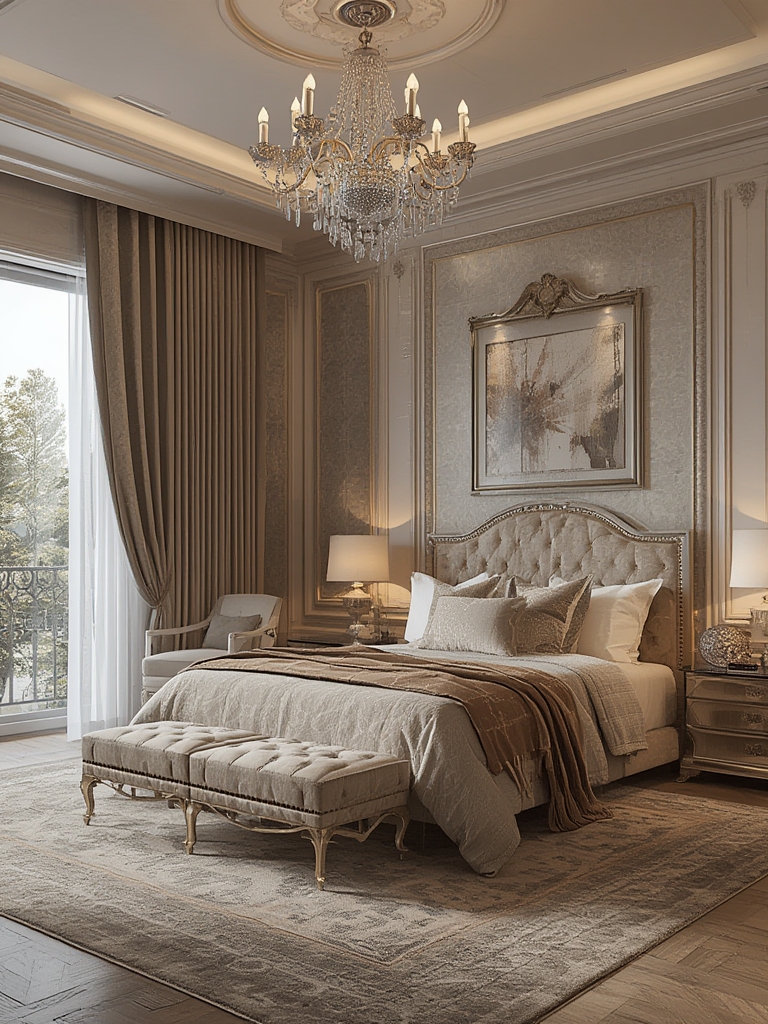
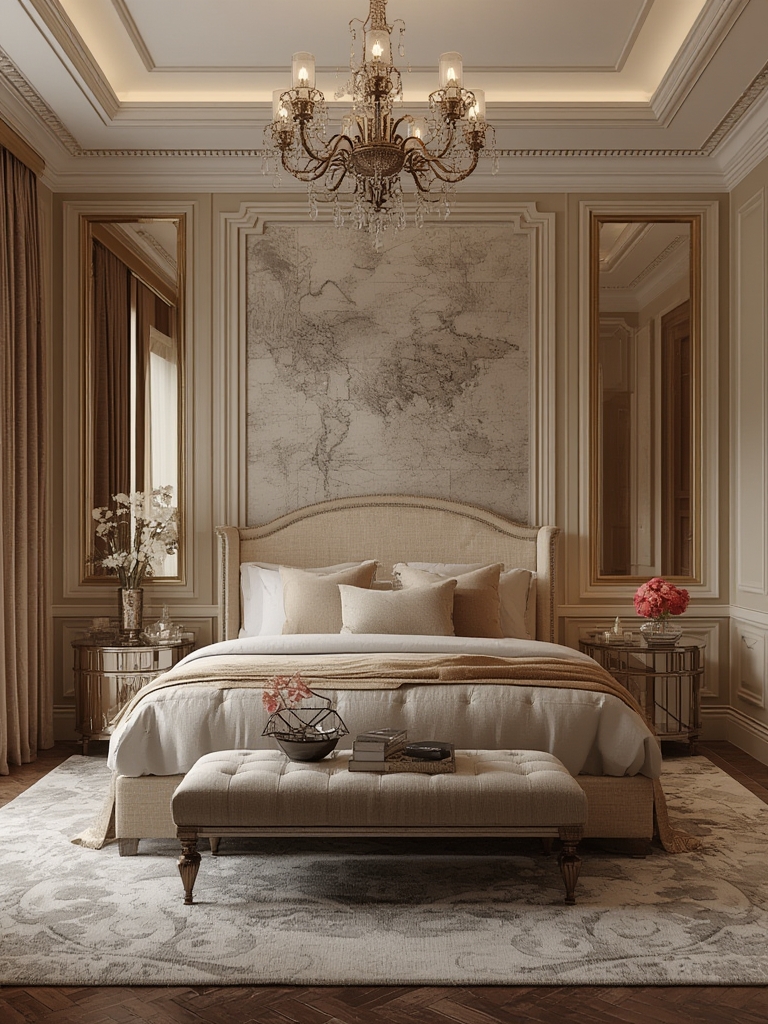
Creating a luxurious bedroom isn’t just about splurging on high‑end furniture; it’s about curating an atmosphere that feels both indulgent and effortlessly serene. One of the most effective ways to elevate the space is by integrating a statement plant that adds texture, color, and a touch of nature. Below is a data‑driven, step‑by‑step guide that blends upscale design principles with practical plant‑care advice, ensuring your bedroom looks runway‑ready while your greenery thrives.
Why Luxury Matters in the Bedroom
According to a 2023 Statista report, 68% of homeowners associate plush bedding, soft lighting, and natural elements with a “luxury” feel. These elements trigger the release of dopamine, promoting relaxation and better sleep quality. By focusing on high‑impact design choices, you can transform a simple sleeping area into a sanctuary that supports both mental well‑being and aesthetic appeal.
Key Elements of Luxury Bedroom Design
1. Layered Textures
- Silk & Velvet: Opt for a silk duvet cover paired with a velvet headboard for a tactile contrast.
- Plush Rugs: A high‑pile rug under the bed adds depth and warmth.
2. Ambient Lighting
- Dimmer Switches: Install dimmers to transition from bright morning light to a soft, candle‑like glow at night.
- LED Strip Accents: Place warm‑white LED strips behind the headboard for a subtle halo effect.
3. Neutral Color Palette with a Pop
- Base colors: ivory, taupe, or soft gray.
- Accent: deep emerald, sapphire, or gold—often introduced through accessories or the chosen plant.
4. Statement Plant
The right plant can become the focal point, adding both visual interest and air‑purifying benefits. For a luxury bedroom, the Fiddle Leaf Fig (Ficus lyrata) is a top choice due to its dramatic, sculptural leaves and ability to grow tall, creating a natural “living artwork.”
Choosing the Perfect Statement Plant
Data from the Royal Horticultural Society shows that the Fiddle Leaf Fig ranks #2 in indoor plant popularity for spaces larger than 150 sq ft. Its popularity stems from:
- High visual impact – large, glossy leaves that catch light.
- Air‑purifying qualities – removes formaldehyde and xylene.
- Versatile placement – works in corners, beside a dresser, or as a floor‑standing piece.
Step‑by‑Step Guide to Growing and Caring for Your Luxury Plant
Step 1: Selecting the Right Pot
- Material: Choose a matte ceramic or textured concrete pot in a neutral tone to complement the room’s palette.
- Size: The pot should be 2–3 inches larger in diameter than the root ball to allow room for growth.
- Drainage: Ensure at least two drainage holes; place a saucer to catch excess water and protect hardwood floors.
Step 2: Soil Mix for Optimal Drainage
- Mix 40% peat moss, 30% perlite, and 30% high‑quality potting compost.
- Add a teaspoon of slow‑release fertilizer (N‑P‑K 10‑10‑10) for balanced nutrition.
Step 3: Light Requirements
- Ideal: Bright, indirect sunlight (5–6 hours daily). Position near a north‑ or east‑facing window.
- Adjustment: If natural light is limited, supplement with a 4000 K LED grow light placed 24‑30 inches above the foliage for 12 hours a day.
Step 4: Watering Schedule
- Check the top 2 inches of soil; water only when it feels dry to the touch.
- Use lukewarm water and apply until it drains out of the bottom – avoid standing water.
- During winter, reduce watering frequency by 30% as the plant’s growth slows.
Step 5: Humidity & Air Circulation
- Maintain 45‑55% humidity. A small tabletop humidifier set on a timer works well.
- Rotate the plant 90° every two weeks to ensure even light exposure.
- A gentle ceiling fan on low can improve air flow without causing leaf stress.
Step 6: Pruning & Shaping
- Trim any yellowing or damaged leaves at the base using clean, sharp scissors.
- For a sculpted look, pinch back new growth during the spring to encourage a fuller canopy.
- Use a moss pole to support vertical growth if you desire a taller, tree‑like silhouette.
Step 7: Seasonal Care Adjustments
- Spring/Summer: Increase feeding to once a month with a balanced liquid fertilizer.
- Fall/Winter: Cut back to a bi‑monthly feeding schedule and lower the temperature to 60‑65 °F.
SEO‑Friendly Formatting Tips for Your Blog Post
Keyword Placement
- Primary keyword: “luxury bedroom decor design” – include it in the first 100 words, an H2, and the concluding paragraph.
- Secondary keywords: “statement plant bedroom,” “Fiddle Leaf Fig care,” “luxury bedroom ideas.” Sprinkle naturally throughout subheadings and bullet points.
Meta Description (155‑160 characters)
“Transform your bedroom into a luxe retreat with expert design tips and a step‑by‑step guide to caring for a stunning Fiddle Leaf Fig.”
Internal & External Links
- Link to a related post on “Top 5 Luxury Bedding Materials” (internal).
- Reference reputable sources like Statista and the Royal Horticultural Society (external) to boost E‑E‑A‑T.
Image Optimization
- Use high‑resolution JPEGs (1200 px width) with descriptive alt text, e.g., “Fiddle Leaf Fig in a matte ceramic pot beside a velvet headboard.”
- Compress images with tools like TinyPNG to improve page load speed – a key ranking factor.
Readability Enhancements
- Keep sentences under 20 words.
- Use short paragraphs (2‑3 sentences) and plenty of white space.
- Incorporate numbered lists for steps, which Google favors for featured snippets.
Final Touches: Bringing It All Together
By marrying high‑end design elements with the natural elegance of a Fiddle Leaf Fig, you create a bedroom that feels both opulent and grounded. Follow the care steps above, and your plant will stay vibrant for years, continuously reinforcing the luxurious vibe you’ve curated. Remember, consistency in both design and plant maintenance is the secret sauce to a timeless, Instagram‑worthy bedroom.