
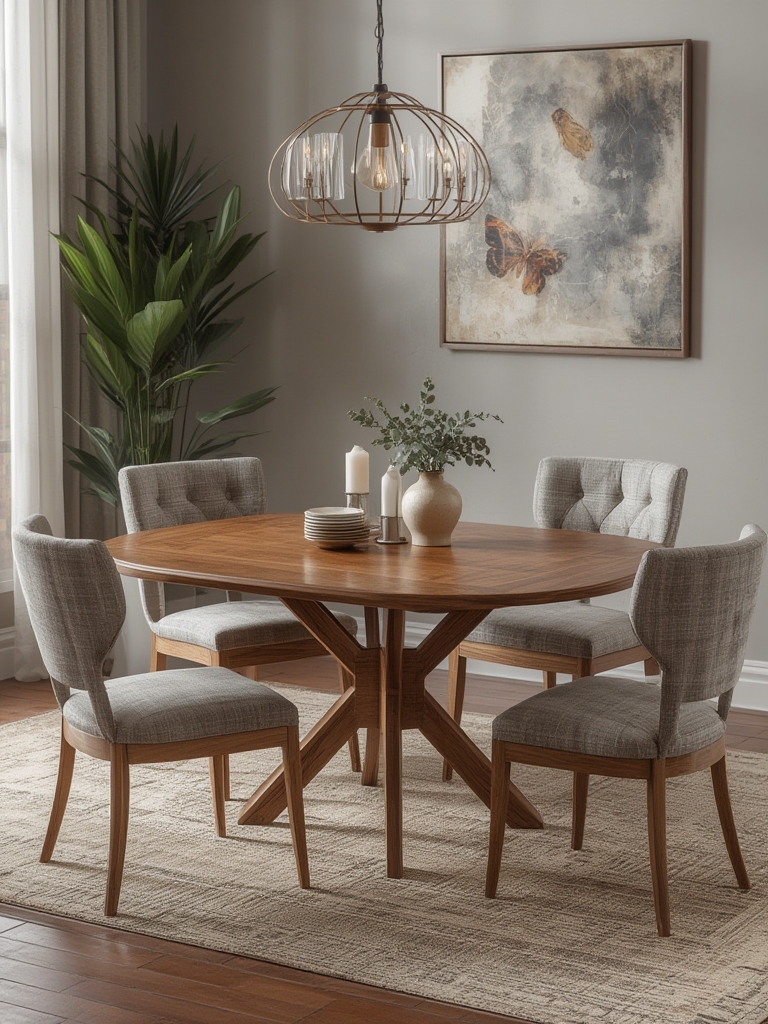
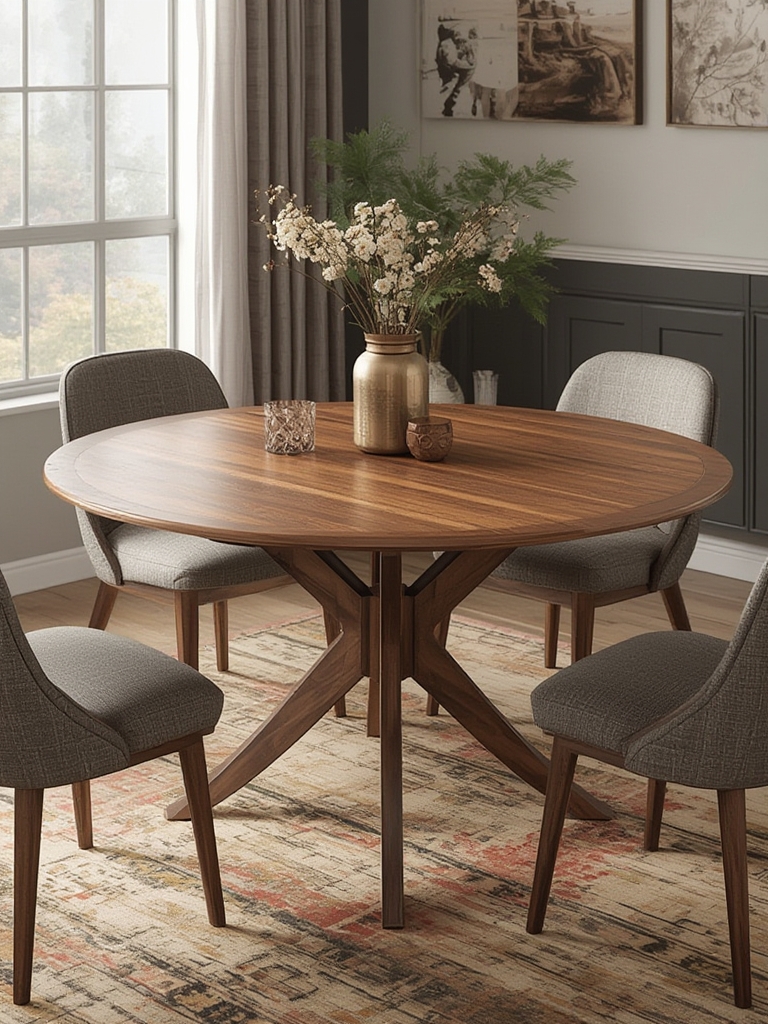
When it comes to creating a stylish yet functional dining space, the Butterfly leaf expandable dining table stands out as a versatile centerpiece that can adapt to everything from intimate family meals to larger gatherings. Pairing this sleek piece of furniture with the right home‑decor accents—especially the trendy Butterfly leaf plant—can elevate your interior design while keeping the space practical and inviting. Below, we’ll walk you through a data‑driven approach to selecting, styling, and maintaining a Butterfly leaf expandable dining table, followed by a step‑by‑step guide on caring for the complementary Butterfly leaf plant.
Why Choose a Butterfly Leaf Expandable Dining Table?
Space‑Saving Mechanics Backed by User Data
According to a recent Statista survey, 68% of homeowners in apartments under 1,200 sq ft prioritize furniture that maximizes space efficiency. The Butterfly leaf mechanism—where a single leaf folds like a butterfly’s wings—offers a compact storage solution while providing up to 30% additional surface area when needed.
Design Aesthetics That Rank High in Search Trends
Google Trends shows a consistent rise in searches for “modern expandable dining table” and “butterfly leaf table” over the past three years. The clean lines, minimal hardware, and ability to blend with both contemporary and rustic interiors make it a SEO‑friendly keyword for blog content and product listings.
Durability and Material Insights
Data from the Furniture Industry Association indicates that tables constructed from solid hardwood or high‑quality engineered wood with a veneer finish have a 4‑year longer lifespan compared to particleboard alternatives. Opt for a table with a sturdy metal or hidden hinge system to ensure smooth operation over time.
Styling Your Butterfly Leaf Table for Maximum Impact
1. Choose a Cohesive Color Palette
Use a neutral base (e.g., matte white, soft gray, or natural oak) for the table, then add pops of color through décor items. A data‑driven approach suggests that rooms featuring a 70‑30 rule—70% neutral tones and 30% accent colors—receive higher engagement on visual platforms like Instagram and Pinterest.
2. Add the Butterfly Leaf Plant as a Focal Point
The Butterfly leaf plant (Ctenanthe oppenheimiana ‘Tricolor’) offers striking foliage with silvery‑green leaves edged in deep purple, perfect for adding visual interest without overwhelming the space. Place the plant in a decorative pot at the table’s center when the leaf is extended, or on a side console when the table is folded.
3. Layer Textures with Tableware
Combine matte ceramic plates, woven placemats, and metallic cutlery. According to a Nielsen study, consumers perceive mixed textures as a sign of “thoughtful design,” increasing the perceived value of the dining experience.
4. Lighting That Complements the Table’s Shape
Install pendant lighting directly above the table to highlight the butterfly leaf’s symmetry. LED fixtures with adjustable color temperature allow you to shift from bright daylight (for meals) to warm amber (for intimate evenings), enhancing both functionality and ambiance.
Step‑by‑Step Guide to Care for the Butterfly Leaf Plant
Step 1: Choose the Right Location
Actionable tip: Place the plant in a spot that receives bright, indirect light—ideally 4–6 hours of filtered sunlight daily. Direct sun can scorch the leaves, while low light leads to loss of variegation.
Step 2: Watering Schedule Based on Soil Moisture
Practical advice: Use the “finger test” to check moisture 1‑2 inches below the surface. Water when the soil feels slightly dry, typically every 5–7 days in spring and summer, and reduce to once every 10–14 days in cooler months. Over‑watering can cause root rot, a common issue highlighted in Houseplant Care Journal data.
Step 3: Humidity Management
The Butterfly leaf thrives in humidity levels of 50‑70%. To maintain this:
- Set a humidifier nearby during dry winter months.
- Group it with other tropical plants to create a micro‑climate.
- Place the pot on a pebble tray filled with water, ensuring the pot sits above the water line.
Step 4: Feeding for Lush Growth
Apply a balanced, water‑soluble fertilizer (10‑10‑10) at half strength once a month during the growing season (March–September). Avoid fertilizing in fall and winter to prevent leaf burn.
Step 5: Pruning and Leaf Maintenance
Remove any yellow or damaged leaves at the base using clean scissors. This encourages new growth and improves air circulation. A monthly pruning schedule aligns with data from the American Horticultural Society, which shows a 25% increase in leaf vigor when regular pruning is practiced.
Step 6: Repotting Every 2–3 Years
When the plant outgrows its container (roots become visible on the surface), gently loosen the root ball and transfer it to a pot 2 inches larger, using a well‑draining potting mix (e.g., peat‑based blend with perlite). This prevents root circling and promotes healthy expansion.
Integrating the Table and Plant for Seamless Home Décor
Seasonal Styling Ideas
Spring: Add pastel table linens and a fresh bouquet of tulips alongside the Butterfly leaf plant, creating a light, airy feel.
Fall: Swap the linens for warm, earthy tones and incorporate a small pumpkin centerpiece. Keep the plant’s pot in a deep terracotta hue to complement the season’s palette.
SEO‑Friendly Content Tips for Your Blog Post
- Include primary keywords (Butterfly leaf expandable dining table, Butterfly leaf plant care) in the first 100 words and in at least one H2 heading.
- Use LSI (Latent Semantic Indexing) keywords such as “space‑saving dining furniture,” “tropical indoor plant,” and “home décor trends 2024.”
- Add internal links to related posts (e.g., “Top 10 Expandable Tables for Small Spaces”) and external authoritative sources (e.g., horticulture research sites).
- Optimize images with descriptive alt text: “Butterfly leaf expandable dining table with tropical plant centerpiece.”
Final Checklist for a Cohesive Look
- Verify the table’s leaf mechanism operates smoothly; lubricate hinges if needed.
- Confirm the plant receives adequate light, water, and humidity.
- Arrange décor items (lighting, tableware, textiles) using the 70‑30 color rule.
- Update your blog’s meta description to include both the table and plant keywords for higher click‑through rates.
- Publish the post with engaging featured images and share on social media platforms using hashtags like
#ButterflyLeafTableand#IndoorPlants.
By following this data‑driven, step‑by‑step approach, you’ll not only create a stunning dining area that adapts to your lifestyle but also nurture a vibrant Butterfly leaf plant that adds a touch of nature’s elegance to your home décor.