

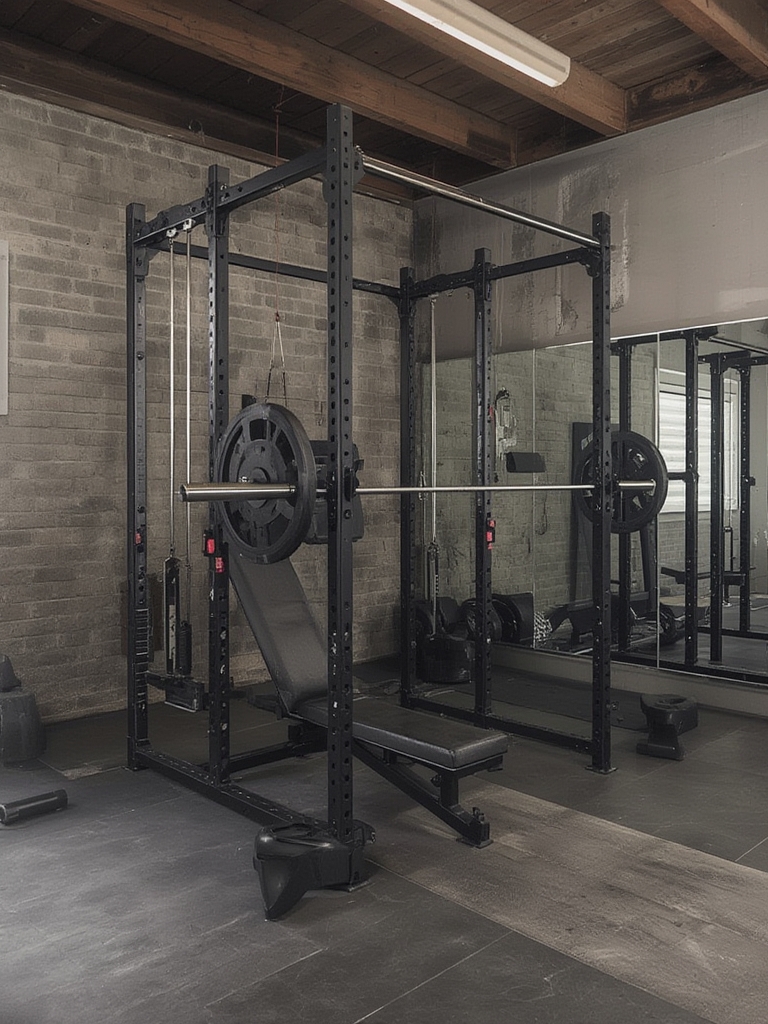
Creating an industrial‑style home gym is a smart way to combine rugged aesthetics with functional fitness. By leveraging raw materials, minimalist design, and data‑driven layout planning, you can build a space that motivates you to train harder while fitting seamlessly into a modern home. Below is a step‑by‑step guide that walks you through the entire process—from assessing your space to selecting equipment, optimizing lighting, and maintaining the industrial vibe over time.
Step 1: Assess Your Space and Set Measurable Goals
1.1 Measure and Map the Area
- Use a laser measure or a tape to record length, width, and ceiling height.
- Sketch a floor plan on graph paper (1 cm = 1 ft) or use a free online tool like RoomSketcher.
- Mark doors, windows, and power outlets; note any load‑bearing walls that could support heavy equipment.
1.2 Define Your Fitness Objectives
- Identify primary training modalities (e.g., strength, cardio, functional).
- Set quantifiable targets such as “bench press 200 lb in 12 weeks” or “run 5 k under 25 min.”
- Allocate square footage based on these goals—e.g., 150 sq ft for a power‑lifting zone, 80 sq ft for cardio.
Data‑driven planning helps you avoid overcrowding and ensures each piece of equipment serves a purpose aligned with your objectives.
Step 2: Choose Industrial‑Style Materials and Finishes
2.1 Flooring
- Install interlocking rubber tiles (3/8‑inch thick) for shock absorption and durability.
- Opt for a matte black or dark gray color to reinforce the industrial look while hiding scuffs.
- Use a moisture barrier underneath if the gym is in a basement or garage.
2.2 Walls and Exposed Elements
- Leave one wall as exposed brick or apply a faux‑brick wallpaper for texture.
- Mount reclaimed metal pipe shelving to store plates, kettlebells, and accessories.
- Consider a concrete accent wall; a thin overlay can be applied over drywall for a cost‑effective finish.
2.3 Lighting
- Install dimmable LED track lighting with a 4000 K color temperature for a neutral, industrial feel.
- Incorporate vintage‑style filament bulbs as accent lighting over the free‑weight area.
- Use motion sensors to conserve energy when the gym is not in use.
Step 3: Select Core Equipment That Fits the Industrial Aesthetic
3.1 Strength Training Essentials
- Power Rack:* Choose a black powder‑coated steel rack with a pull‑up bar. Look for a model with a weight‑capacity rating of at least 1,000 lb.
- Adjustable Bench:* Opt for a bench with a steel frame and a leather‑like upholstery in dark gray.
- Barbell & Plates:* Invest in a 20 kg Olympic bar with a matte black finish and bumper plates (10–25 kg) for noise reduction.
3.2 Cardio and Functional Gear
- Rower:* Compact, low‑profile rowing machines in brushed steel blend well with the theme.
- Battle Ropes:* Hang from a ceiling-mounted pipe eye; choose a thick, navy‑colored rope for visual contrast.
- Kettlebells & Dumbbells:* Store them on the reclaimed pipe rack; select a matte black coating for consistency.
3.3 Smart Add‑Ons
- Integrate a Bluetooth speaker system hidden behind acoustic panels for music without breaking the aesthetic.
- Install a wall‑mounted tablet with fitness apps; use a metal frame to keep the industrial vibe.
Step 4: Optimize Layout for Flow and Safety
4.1 Create Zones
- Place the power rack centrally, allowing at least 4 ft of clearance on all sides.
- Position cardio equipment against a wall to free up floor space for functional training.
- Dedicate a corner for stretching and mobility, using a simple yoga mat and a wall‑mounted mirror.
4.2 Ensure Proper Ventilation
- Install a wall‑mounted exhaust fan (12 CFM per 100 sq ft) to maintain air quality.
- Consider a portable air purifier with a HEPA filter for dust control.
4.3 Safety Checks
- Secure heavy equipment to the floor or wall studs using anchor bolts.
- Place non‑slip rubber mats under free‑weight zones to protect floors and reduce injury risk.
- Run a weekly inspection checklist: tighten bolts, test electronics, and verify that cables are neatly routed.
Step 5: Maintain the Industrial Look and Longevity
5.1 Routine Cleaning
- Wipe down equipment after each session with a microfiber cloth and a mild disinfectant.
- Vacuum rubber flooring weekly to prevent dust buildup.
- Use a soft brush to dust exposed brick or concrete walls; a damp mop can be used quarterly.
5.2 Periodic Upgrades
- Track usage data (e.g., total weight lifted per month) using a simple spreadsheet; upgrade plates or racks when you consistently exceed 80 % of current capacity.
- Replace LED bulbs annually to maintain optimal lighting intensity.
- Refresh the paint on metal pipe shelving every 2–3 years to prevent rust.
5.3 Aesthetic Touches
- Add a few industrial‑style accessories—such as a vintage metal clock or a reclaimed wood sign with a motivational quote.
- Incorporate greenery with low‑maintenance succulents in matte black pots to soften the harshness without compromising the theme.
- Rotate artwork featuring factory silhouettes or blueprint prints to keep the space visually engaging.
Step 6: Leverage SEO Best Practices for Your Blog Post
6.1 Keyword Integration
- Primary keyword: “industrial home gym ideas.”
- Secondary keywords: “DIY industrial gym,” “industrial gym equipment,” “home gym layout,” “industrial style fitness room.”
- Include these naturally in headings, first 100 words, and alt text for images.
6.2 Structured Data
- Use
schema.orgmarkup for “Article” and “HowTo” to improve visibility in search results. - Tag each step with
itemListElementto help Google display a rich snippet.
6.3 Internal & External Links
- Link to related posts on “budget home gym setups” and “best industrial lighting for gyms.”
- Reference reputable sources such as the American Council on Exercise (ACE) for safety guidelines.
By following these data‑driven steps, you’ll create an industrial home gym that not only looks striking but also supports your fitness goals efficiently. The combination of robust materials, thoughtful layout, and ongoing maintenance ensures the space remains functional and inspiring for years to come.
