
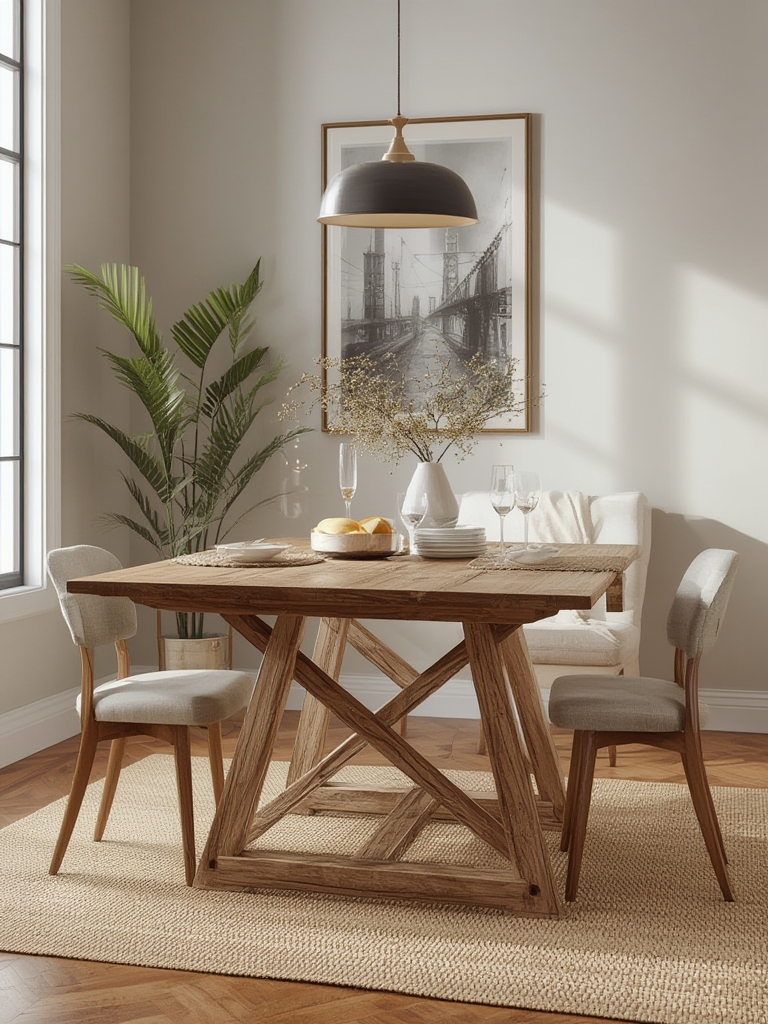
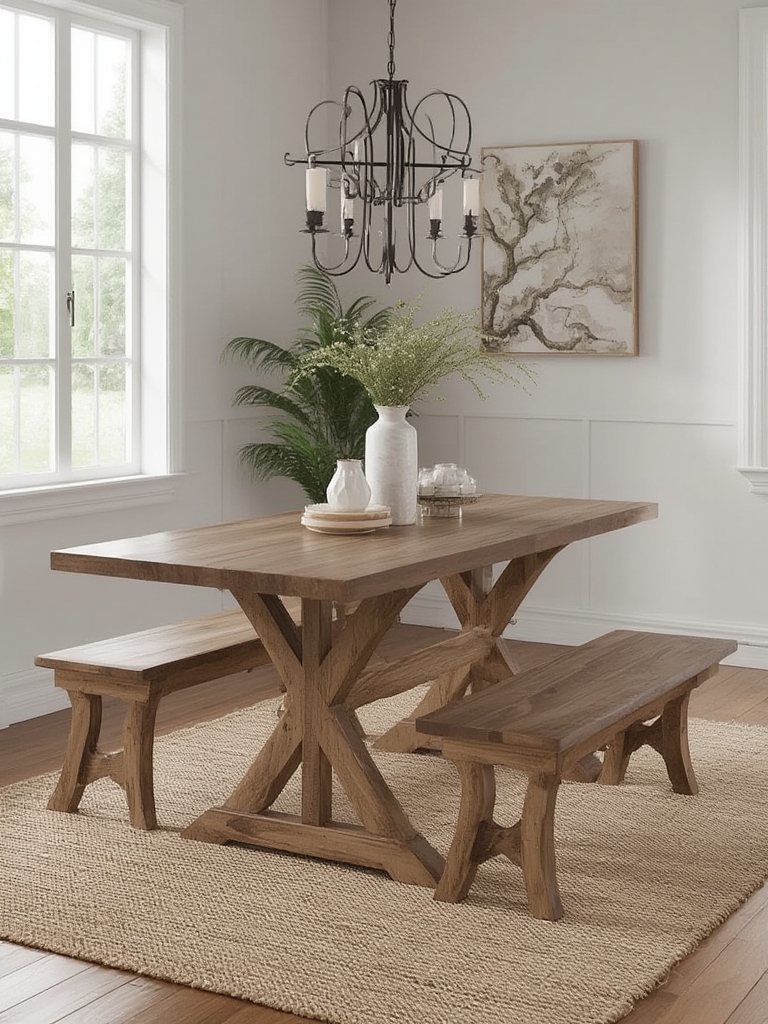
When it comes to creating a timeless, functional, and stylish living space, a trestle table with a sturdy base is a cornerstone piece that blends classic charm with modern durability. This guide walks you through why a trestle table works so well in home décor, how to choose the right design, and practical steps to pair it with the perfect houseplant for a fresh, inviting vibe.
Why a Sturdy‑Base Trestle Table Is a Home‑Decor Essential
From farmhouse kitchens to contemporary lofts, the trestle table’s simple yet robust construction makes it a versatile focal point. Its sturdy base—often comprised of cross‑braced legs or a solid central support—provides:
- Weight distribution: Evenly spreads load, ideal for heavy dinnerware, work projects, or decorative items.
- Stability: Minimizes wobble, even on uneven floors, ensuring safety for both people and plants.
- Style flexibility: Available in reclaimed wood, sleek metal, or mixed‑material finishes to match any interior theme.
Choosing the Perfect Trestle Table for Your Space
1. Measure Your Area
Start by measuring the length, width, and height of the intended spot. A good rule of thumb is to leave at least 36‑inches of clearance around the table for easy movement.
2. Select the Material
Consider durability, maintenance, and aesthetic:
- Solid wood: Warm, natural look; requires occasional polishing.
- Metal frame: Industrial vibe; easy to wipe clean.
- Mixed material: Combines wood tops with metal legs for a balanced look.
3. Evaluate the Base Design
Look for cross‑bracing or a central support that adds rigidity. Check the joinery—mortise‑and‑tenon or metal brackets are signs of quality construction.
Styling Your Trestle Table with Houseplants
Adding a thriving houseplant not only enhances visual appeal but also improves indoor air quality. Below are step‑by‑step instructions to select, place, and care for a plant that complements your trestle table.
Step 1: Choose the Right Plant
Pick a plant that matches the table’s style and the room’s lighting:
- Low‑light options: Snake plant (Sansevieria), ZZ plant (Zamioculcas zamiifolia).
- Bright‑indirect light: Pothos, Monstera, or a fiddle‑leaf fig.
- Compact varieties: Succulents or small ferns work well on narrower tables.
For a data‑driven choice, consult plant‑care apps that track light levels and humidity in your specific room.
Step 2: Pick the Ideal Pot
Use a pot that:
- Matches the table’s finish (e.g., a rustic terracotta pot for a reclaimed‑wood table).
- Has drainage holes to prevent root rot.
- Is proportionate—generally, the pot’s diameter should be about one‑third the width of the table.
Step 3: Position the Plant for Maximum Impact
Follow these placement tips:
- Centerpiece: Place a medium‑sized plant directly in the middle for a balanced look.
- Side accents: Use smaller pots on either end to create visual flow.
- Height variation: Pair a tall plant with low‑lying decorative trays to add dimension.
Ensure the pot sits on a protective mat or coaster to safeguard the table’s surface from water rings.
Step 4: Establish a Care Routine
Consistent care keeps the plant thriving and the table pristine. Below is a weekly checklist:
- Watering: Check soil moisture 2‑3 inches deep. Water only when the top feels dry; over‑watering can damage the table’s finish.
- Dusting: Gently wipe leaves with a damp cloth to improve photosynthesis and prevent dust buildup on the table.
- Fertilizing: Apply a balanced, water‑soluble fertilizer once a month during the growing season.
- Pruning: Remove dead or yellowing leaves to maintain plant health and keep the table tidy.
Step 5: Protect the Table’s Surface
Even with careful watering, spills happen. Follow these safeguards:
- Place a silicone mat or decorative tray under the pot.
- Use coasters for any mugs or glasses placed on the table during meals.
- Apply a clear, furniture‑grade sealant to wood tables for added moisture resistance.
SEO‑Friendly Content Tips for Your Blog Post
To ensure your article ranks well in search engines, incorporate these optimization strategies:
- Keyword placement: Use “trestle table with sturdy base,” “home decor,” and “houseplant care” naturally in headings, first 100 words, and meta description.
- Internal linking: Link to related posts such as “DIY farmhouse décor ideas” or “Best indoor plants for low light.”
- Alt text for images: Describe each photo, e.g., “Reclaimed wood trestle table with a snake plant in a terracotta pot.”
- Readability: Keep sentences under 20 words, use bullet points, and break up text with H2/H3 tags.
- Schema markup: Add
ArticleandProductschema to help search engines understand the content.
Final Thoughts: Marrying Function and Freshness
A trestle table with a sturdy base is more than just a piece of furniture—it’s a canvas for personal style. By thoughtfully selecting a complementary houseplant and following a simple care routine, you create a harmonious blend of durability, aesthetics, and natural vitality. This combination not only elevates your home décor but also contributes to a healthier indoor environment, making your living space both beautiful and inviting.
