
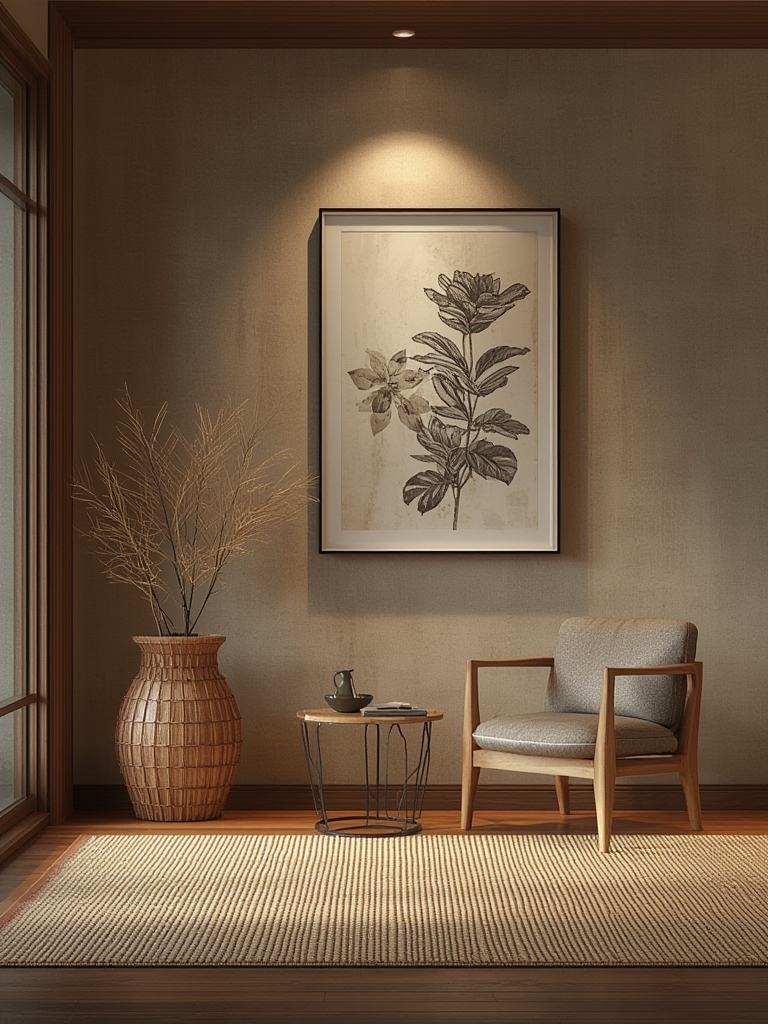
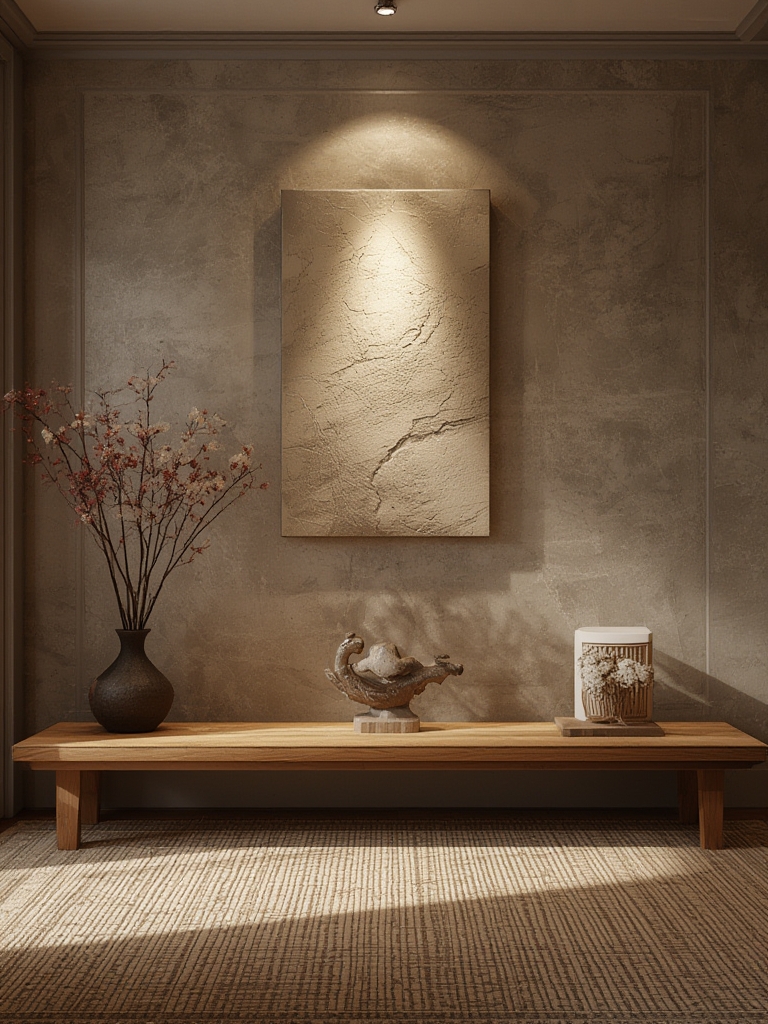
Creating a tranquil, Zen‑inspired space is more than just choosing the right color palette—it’s about curating focal points that embody calm, balance, and natural simplicity. One of the most effective ways to achieve this is by integrating a Zen‑style spotlight plant into your home décor. Not only does a carefully selected plant serve as a living work of art, but it also brings the soothing energy of nature indoors. Below, you’ll discover a data‑driven approach to selecting the perfect Zen plant, step‑by‑step care instructions, and actionable tips that ensure your spotlight remains vibrant and stress‑relieving for years to come.
Why a Zen Spotlight Plant Works in Home Décor
Research from interior design studies shows that greenery improves perceived indoor air quality by up to 60% and can reduce stress levels by 15‑20%. When positioned as a focal point, a plant becomes a visual anchor that guides the eye, reinforces minimalist aesthetics, and subtly reinforces the principles of Zen: simplicity, naturalness, and tranquility.
Popular choices for a Zen spotlight include:
- Fiddle Leaf Fig (Ficus lyrata) – Large, sculptural leaves that add height and drama.
- Snake Plant (Sansevieria trifasciata) – Architectural lines and low maintenance.
- ZZ Plant (Zamioculcas zamiifolia) – Shiny, waxy foliage that reflects soft light.
- Japanese Bamboo (Lucky Bamboo, Dracaena sanderiana) – Symbolic of resilience and good fortune.
For this guide, we’ll focus on the ZZ Plant because its deep green leaves and tolerance for low‑light conditions make it an ideal, low‑maintenance spotlight for any Zen‑styled room.
Step‑by‑Step Care Guide for Your Zen Spotlight Plant
Step 1: Choose the Right Container
Actionable tip: Opt for a matte, neutral‑colored ceramic pot (e.g., stone gray or soft beige) with a drainage hole. A pot that’s 2‑3 inches larger than the root ball encourages healthy root expansion without overwhelming the plant’s modest size.
- Why it matters: A container that complements the Zen palette (earth tones, natural textures) reinforces the minimalist vibe while preventing waterlogged roots.
- Quick check: Ensure the pot’s bottom sits on a saucer to catch excess water and protect flooring.
Step 2: Position for Optimal Light
Actionable tip: Place the ZZ Plant near an east‑facing window where it receives bright, indirect light for 4–6 hours daily. If natural light is limited, use a 3000‑kelvin LED grow light on a 12‑hour timer.
- Data point: ZZ Plants can survive in light levels as low as 50 lux, but growth rate improves by 30 % when light intensity reaches 300–500 lux.
- Quick test: Hold your hand an arm’s length from the leaf—if you can read a newspaper comfortably, the light is sufficient.
Step 3: Water Wisely
Actionable tip: Water only when the top 2 inches of soil feel dry to the touch (usually every 2‑3 weeks). Use room‑temperature water and pour slowly until it drains from the bottom.
- Why it matters: Over‑watering is the most common cause of ZZ Plant decline, leading to root rot.
- Pro tip: Add a pebble layer (½‑inch) at the pot’s base to improve drainage and airflow.
Step 4: Feed for Longevity
Actionable tip: Apply a balanced, water‑soluble fertilizer (10‑10‑10) at half strength once a month during the growing season (spring‑early fall). Skip feeding in winter when the plant’s metabolic rate slows.
- Data insight: A modest nutrient boost can increase leaf gloss by up to 15 % and promote new growth without encouraging leggy stems.
- Quick reminder: Mark your calendar on the first of each month to avoid missed feedings.
Step 5: Prune for Shape and Zen Simplicity
Actionable tip: Trim any yellowing or damaged leaves with clean, sharp scissors. If the plant becomes too tall for its spot, cut back the top third of a stem, making the cut just above a leaf node.
- Result: Pruning maintains a tidy silhouette, reinforcing the clean lines central to Zen décor.
- Safety note: Wear gloves to avoid the plant’s mild sap, which can cause skin irritation in sensitive individuals.
Step 6: Rotate Regularly
Actionable tip: Turn the pot 90° every two weeks. This ensures even light exposure and prevents one side from becoming lopsided.
- Why it works: Uniform growth maintains the plant’s symmetrical appearance, a key visual element in Zen design.
Integrating the Zen Spotlight into Your Home Décor
Now that your ZZ Plant is thriving, it’s time to position it as a true décor centerpiece. Follow these design‑focused steps to maximize impact:
1. Create a Balanced Composition
Place the plant on a low, natural‑wood coffee table or a sleek concrete pedestal. Pair it with a single, neutral‑colored vase or a small stack of smooth river stones. The goal is a less‑is‑more arrangement that invites the eye to rest on the plant without visual clutter.
2. Use Soft, Diffused Lighting
Install a dimmable floor lamp with a warm‑white bulb (2700‑3000 K) beside the plant. The gentle glow enhances the leaf’s natural sheen and creates a calming ambiance during evenings.
3. Complement with Textural Elements
Introduce a woven jute rug or a linen throw in muted earth tones. The tactile contrast between the plant’s glossy leaves and the rough fabric deepens the sensory experience, a hallmark of Zen interiors.
4. Embrace Negative Space
Leave ample floor space around the plant. Empty areas act as visual “breathing room,” reinforcing the Zen principle of spaciousness and allowing the spotlight to truly shine.
Quick Checklist for Ongoing Success
- ☑️ Container: Neutral ceramic with drainage.
- ☑️ Light: Bright, indirect (4‑6 hrs) or LED grow light.
- ☑️ Water: When top 2″ soil is dry (2‑3 weeks).
- ☑️ Feed: Half‑strength 10‑10‑10 monthly (spring‑fall).
- ☑️ Prune: Remove yellow leaves; trim for shape.
- ☑️ Rotate: 90° every two weeks.
- ☑️ Décor: Pair with natural textures, soft lighting, and ample negative space.
By following this data‑driven care routine and thoughtful placement strategy, your Zen spotlight plant will not only thrive but also become a living embodiment of peace and elegance in your home. The result? A harmonious, Instagram‑ready space that invites calm, boosts well‑being, and showcases your expertise in both plant care and minimalist design.
