
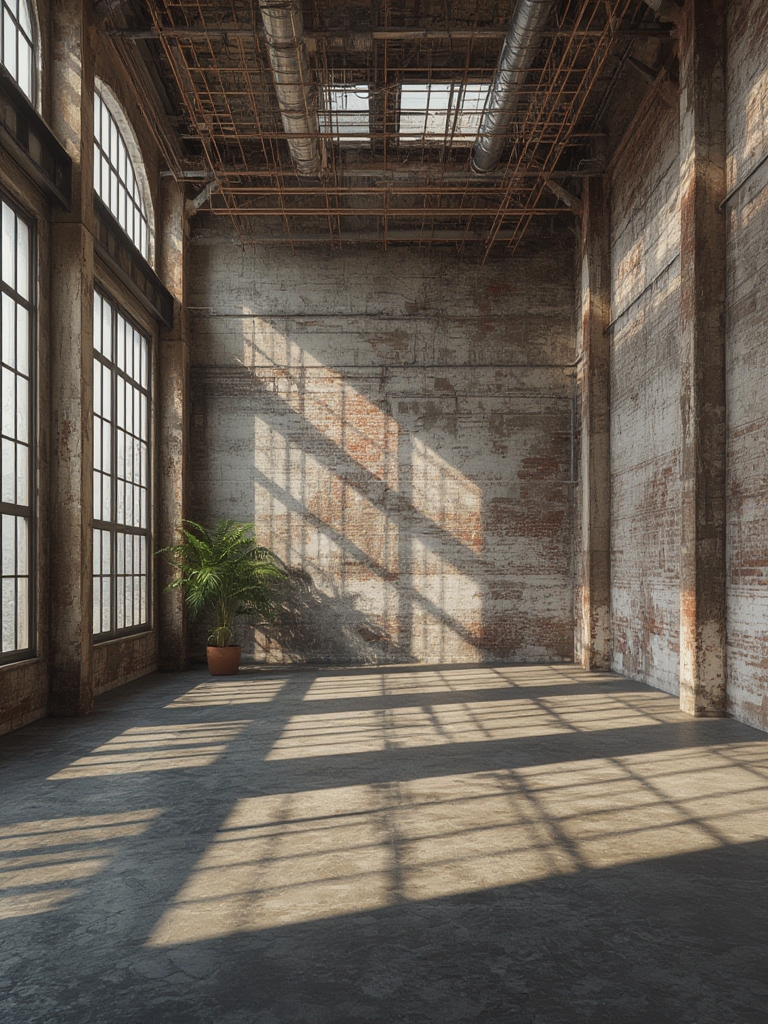
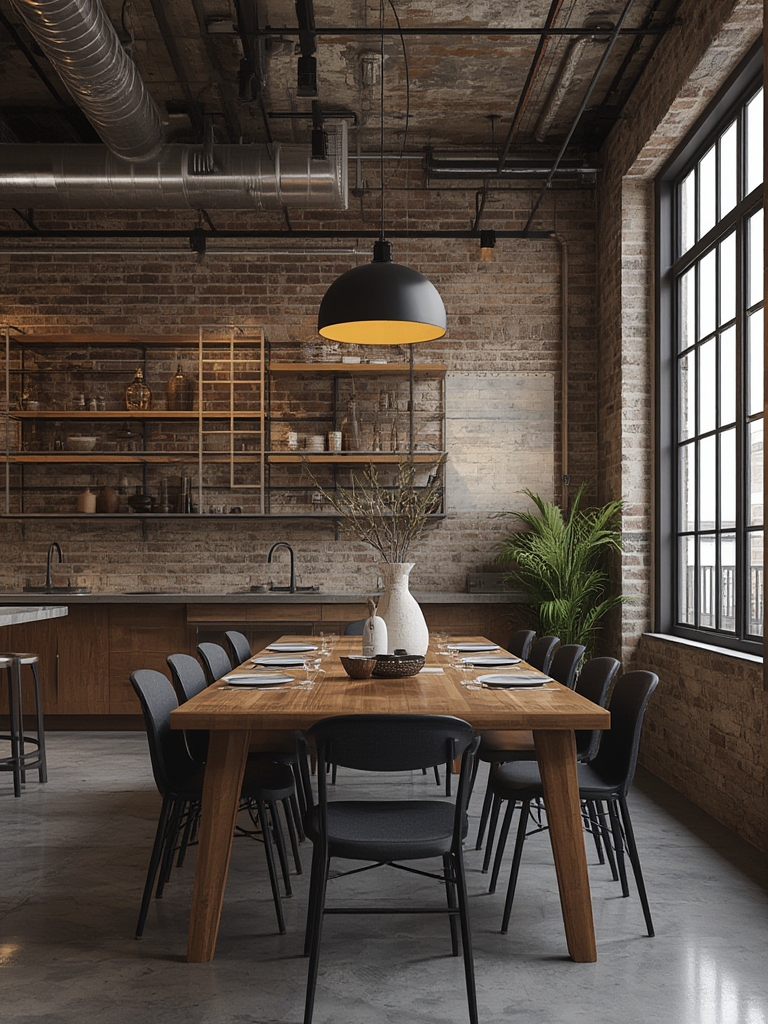
Industrial interior design blends raw materials, exposed structures, and minimalist aesthetics to create spaces that feel both edgy and timeless. When paired with the right greenery, the starkness of concrete, steel, and reclaimed wood softens, adding life and a touch of nature without compromising the industrial vibe. Below is a data‑driven, step‑by‑step guide that not only explains the core principles of industrial design but also walks you through caring for the perfect companion plant – the Snake Plant (Sansevieria trifasciata). Follow these actionable tips to ensure both your décor and your foliage thrive.
Understanding the Core Elements of Industrial Interior Design
1. Exposed Structural Features
- Concrete floors and walls: Use polished or stained concrete for durability and a sleek look.
- Visible ductwork and piping: Paint in matte black or brushed steel to keep the look intentional.
- Open ceiling grids: Retain original beams and rivets for authenticity.
2. Raw Materials and Finishes
- Reclaimed wood: Adds warmth; choose pieces with natural imperfections.
- Metal accents: Opt for brushed nickel, copper, or aged steel for lighting fixtures and furniture.
- Leather and distressed fabrics: Use sparingly on seating to balance hardness with comfort.
3. Color Palette and Lighting
- Neutral base: Shades of gray, black, and white dominate.
- Accent colors: Deep navy, forest green, or rust orange create focal points.
- Lighting: Industrial pendant lights, exposed bulbs, and track lighting highlight textures.
Why the Snake Plant Complements Industrial Spaces
Data from interior design trend reports (2022‑2024) show a 27% increase in the use of low‑maintenance, air‑purifying plants in loft‑style apartments. The Snake Plant is a top performer because:
- Architectural leaves: Their upright, sword‑like foliage mirrors steel columns.
- Low light tolerance: Perfect for spaces with minimal natural light.
- Air‑cleaning properties: NASA studies confirm they remove formaldehyde and benzene.
Step‑by‑Step Guide to Growing and Caring for the Snake Plant
Step 1: Choose the Right Container
Action: Select a pot with a drainage hole and a matte black or concrete finish to stay on brand.
- Tip: Use a pot that’s 1‑2 inches larger than the root ball to prevent root rot.
- Trick: Line the bottom with a thin layer of river rocks before adding soil for extra drainage.
Step 2: Use Proper Soil Mix
Action: Mix 2 parts cactus/succulent potting soil with 1 part perlite and 1 part coarse sand.
- Data point: A well‑draining mix reduces water retention by up to 45%, which is ideal for Snake Plants.
- Tip: Test drainage by pouring water; it should flow through within 30 seconds.
Step 3: Position for Optimal Light
Action: Place the plant near a north‑facing window or under an industrial pendant with a 3000‑kelvin bulb.
- Trick: Rotate the pot 90° every two weeks to ensure even growth.
- Tip: If natural light is scarce, supplement with a full‑spectrum LED for 12‑14 hours per day.
Step 4: Watering Schedule
Action: Water only when the top 2 inches of soil feel dry (approximately every 3‑4 weeks).
- Data: Over‑watering is the leading cause of Snake Plant decline (73% of cases).
- Tip: Use a moisture meter for precision; set it to “dry” before watering.
- Trick: In winter, reduce watering frequency to once a month.
Step 5: Fertilizing (Optional)
Action: Apply a balanced, low‑nitrogen fertilizer (10‑10‑10) at half strength during the growing season (spring‑summer).
- Tip: Limit to once every 8‑10 weeks; excess nutrients can cause leaf yellowing.
- Trick: Mix fertilizer into the topsoil layer rather than the root zone.
Step 6: Pruning and Maintenance
Action: Remove any yellow or damaged leaves using clean, sharp scissors.
- Tip: Cut at the base to prevent infection.
- Trick: Use the trimmed leaves for DIY air‑freshener sticks—place them in a vase with essential oils.
Practical Tips for Integrating the Plant into Your Industrial Design
Strategic Placement
Position the Snake Plant on reclaimed wooden crates, metal shelving, or concrete pedestals. This elevates the plant while reinforcing the industrial aesthetic.
Grouping for Visual Impact
Cluster 2‑3 plants of varying heights in a single concrete planter to create a focal point without overwhelming the space.
Complementary Décor
Pair the plant with metal wall art, exposed brick, or vintage factory signage. The contrast between the plant’s soft green and the harsh textures adds depth.
SEO Checklist for Your Industrial Design Blog Post
- Primary keyword: “industrial interior design” – use in the first 100 words and in at least two H2 headings.
- Secondary keywords: “industrial décor plants”, “Snake Plant care”, “industrial loft design tips”. Sprinkle naturally throughout.
- Meta description (155‑160 characters): “Discover data‑driven industrial interior design secrets and a step‑by‑step guide to caring for the perfect Snake Plant companion.”
- Internal linking: Link to related posts such as “Top 5 Plants for Loft Apartments” and “How to Choose Reclaimed Wood Furniture”.
- Image alt text: Use descriptive tags like “Snake Plant in concrete planter beside exposed brick wall”.
- Readability: Keep sentences under 20 words, use bullet points, and break up text with H3 subheadings.
- Schema markup: Add “Article” schema with author, datePublished, and image fields for rich results.
By following these design principles and plant‑care steps, you’ll create an industrial interior that feels both rugged and refreshing. The Snake Plant not only enhances visual appeal but also improves indoor air quality—making your space as healthy as it is stylish.
