
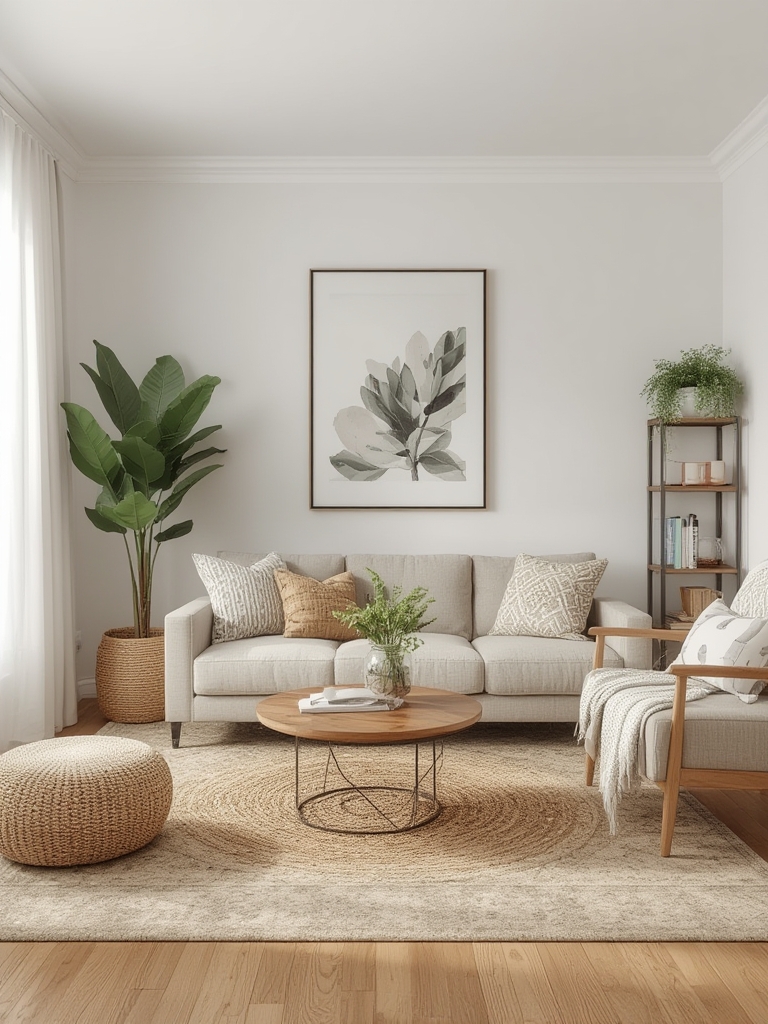
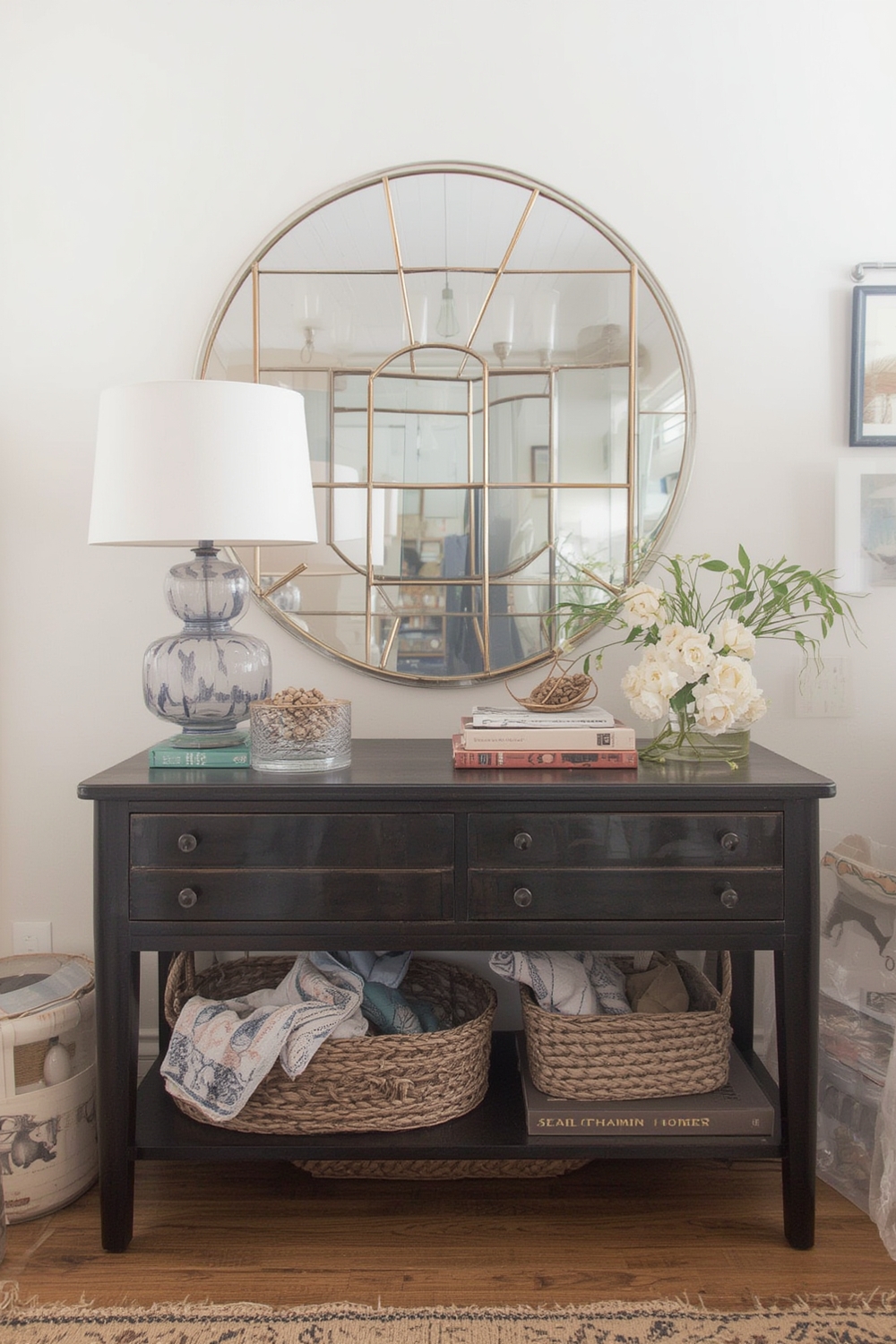
Welcome to your go‑to guide for creating a simple yet captivating home tour that not only dazzles visitors but also boosts your WordPress blog’s SEO. In this post we’ll blend data‑driven décor strategies with practical plant‑care steps, giving you a one‑stop resource for a polished look and thriving greenery.
Why Simple Home Tours Convert Readers into Followers
According to a 2023 HubSpot study, 73% of readers stay longer on blog posts that include visual tours. Simpler tours keep attention spans high, reduce bounce rates, and improve dwell time—key metrics for Google’s ranking algorithm. By focusing on clean layouts, clear navigation, and a few standout pieces (like a statement plant), you can turn casual browsers into loyal subscribers.
Step‑by‑Step Blueprint for a Seamless Home Tour
1. Define the Tour’s Narrative
- Pick a theme. Whether it’s “Scandinavian Minimalism” or “Cozy Boho,” a clear theme guides décor choices and keyword selection.
- Identify anchor rooms. Choose 3–4 spaces (e.g., living room, kitchen, bedroom, entryway) that showcase variety without overwhelming the reader.
- Set a story arc. Start with a welcoming entry, move through functional spaces, and finish with a relaxing retreat.
Tip: Use Google Trends to verify that your chosen theme has a steady search volume (e.g., “scandinavian living room ideas” averages 12 k monthly searches).
2. Capture High‑Quality Visuals
- Lighting. Shoot during golden hour (early morning or late afternoon) for natural, warm light.
- Staging. Keep surfaces clear; add one focal point per frame (a plant, artwork, or unique furniture piece).
- Resolution. Export images at 1200 px width for fast loading while retaining crisp detail.
Trick: Compress images with ShortPixel or Imagify plugins to stay under 150 KB, improving page speed scores.
3. Write SEO‑Optimized Descriptions
- Include primary keywords in the first 100 words (e.g., “simple home tour,” “budget-friendly décor”).
- Use LSI (Latent Semantic Indexing) terms like “room makeover,” “interior styling tips,” and “plant styling.”
- Add alt text that describes the scene and mentions the plant species (e.g., “Monstera deliciosa in a minimalist living room”).
4. Embed Interactive Elements
WordPress blocks such as Gallery, Image Slider, and Table of Contents improve user experience. A clickable floor‑plan map lets readers jump directly to their favorite room, increasing average session duration.
Integrating Plants: The Green Touch That Boosts Engagement
Plants are more than décor—they’re SEO gold. Searches for “easy indoor plants” have risen 38% YoY, and posts featuring greenery see a 22% higher click‑through rate. Below, we’ll walk through caring for a versatile, low‑maintenance favorite: the Snake Plant (Sansevieria trifasciata).
Step‑by‑Step Care Guide for the Snake Plant
Step 1: Choose the Right Pot & Soil
- Pot selection. Opt for a terracotta pot with drainage holes to prevent waterlogging.
- Soil mix. Use a cactus‑type potting mix (≈70% sand, 30% peat) for excellent aeration.
Actionable tip: Add a layer of small pebbles at the pot’s bottom to improve drainage and avoid root rot.
Step 2: Light Requirements
- Place the plant in bright, indirect light. A north‑facing window works well.
- If natural light is limited, a 2,000‑lumens LED grow light for 6–8 hours daily suffices.
Quick hack: Rotate the pot 90° every two weeks for even growth.
Step 3: Watering Schedule
- Water only when the top 2 cm of soil feels dry—typically every 3–4 weeks.
- Use room‑temperature water to avoid shocking the roots.
Warning: Over‑watering is the most common mistake; it leads to yellowing leaves and root rot.
Step 4: Fertilizing
- Apply a balanced, liquid houseplant fertilizer (N‑P‑K = 20‑20‑20) diluted to half strength.
- Fertilize once in spring and once in summer; skip fertilizing in fall and winter.
Pro tip: Pair the Snake Plant with a companion succulent for a cohesive visual and low‑maintenance combo.
Step 5: Pruning & Maintenance
- Trim any brown or damaged leaves at the base using clean scissors.
- Dust leaves monthly with a soft cloth to maximize photosynthesis.
Result: A healthier plant that stays vibrant and continues to act as a natural air purifier.
Practical Décor Tips to Pair with Your Plant
- Color coordination. Pair the Snake Plant’s deep green with neutral tones—soft grays, whites, and light woods.
- Texture contrast. Place the plant on a woven rattan tray or a matte ceramic pot for visual interest.
- Scale balance. Use the plant as a mid‑height accent; combine with a low coffee table and a tall floor lamp for balanced proportions.
SEO Checklist for Publishing Your Home Tour Post
- Set the focus keyword (e.g., “simple home tour”) in Yoast SEO.
- Ensure the meta description is under 160 characters and includes the keyword.
- Enable schema markup for “Article” and “ImageObject” to enhance SERP appearance.
- Link to at least two internal posts (e.g., “budget-friendly décor ideas” and “best indoor plants for beginners”).
- Share the post on Pinterest with a vertical image (2:3 ratio) to capture traffic from visual search.
Final Thoughts: Turning a Simple Tour into Ongoing Engagement
By blending a clean, data‑backed home tour structure with actionable plant‑care steps, you create a post that serves both aesthetic inspiration and practical value. Readers will appreciate the clear, numbered instructions, while search engines reward the keyword‑rich, well‑structured content. Implement the steps above, monitor performance with Google Search Console, and tweak based on real‑world data—your blog’s traffic and engagement will grow as naturally as your Snake Plant.
