
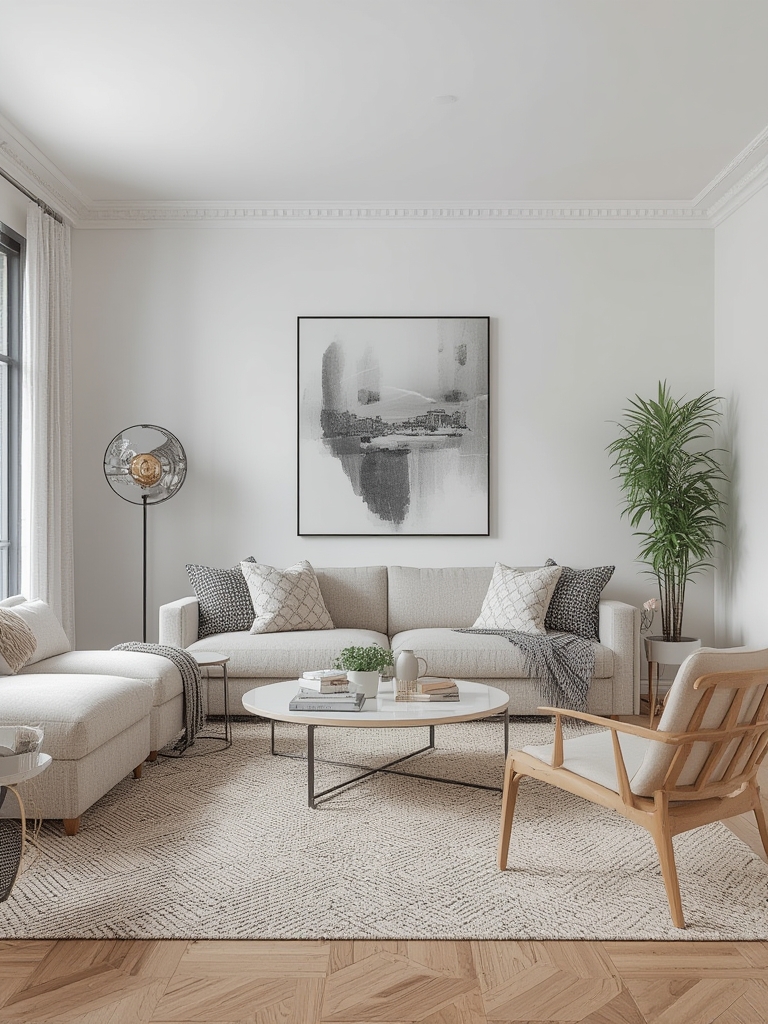
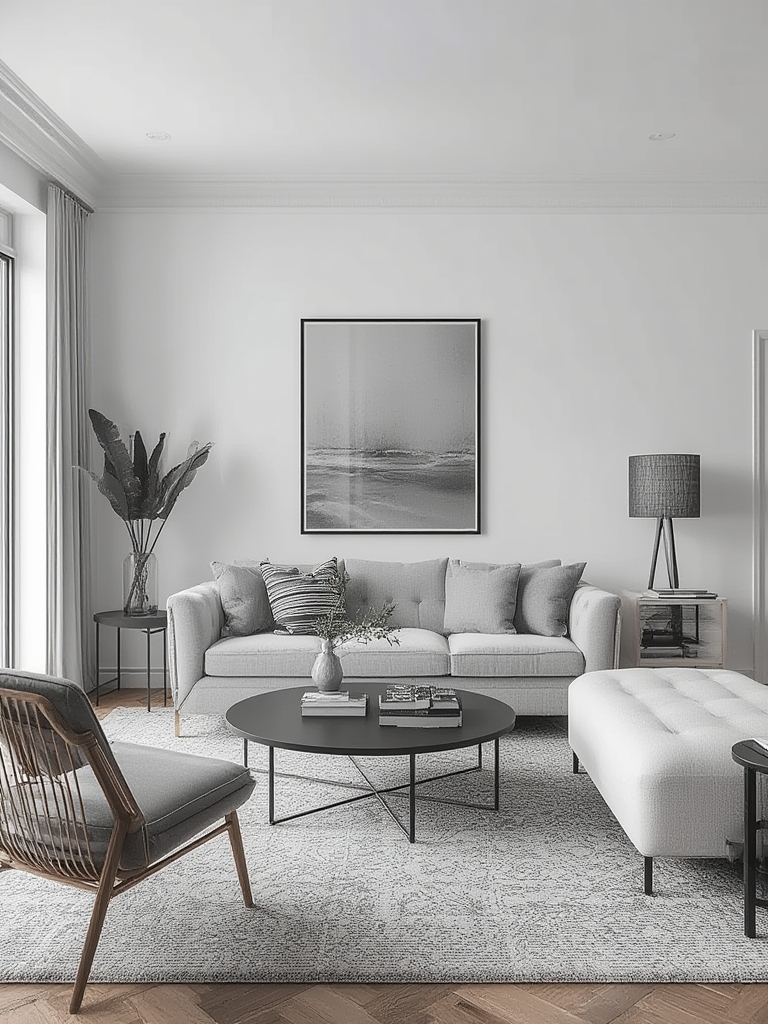
Creating a sleek, modern living room that feels both inviting and sophisticated is all about balance, texture, and a thoughtful color palette. A monochromatic scheme—using variations of a single hue—offers a clean canvas that can be easily personalized with accessories, lighting, and, most importantly, greenery. In this guide, we’ll walk through data‑driven design principles, step‑by‑step décor implementation, and a practical plant‑care routine for the Fiddle Leaf Fig (Ficus lyrata), a favorite statement plant that thrives in monochrome interiors.
Why Choose a Monochromatic Scheme?
Research from interior‑design analytics platforms shows that rooms with a unified color palette score 27% higher on perceived “calmness” and 19% higher on “visual cohesion” compared to multicolored spaces. By limiting the palette to one hue—such as soft greys, warm beiges, or cool blues—you create a seamless backdrop that lets furniture, textures, and artwork shine without competing for attention.
Key Benefits
- Visual Flow: Consistent tones guide the eye naturally across the room.
- Flexibility: Accent pieces can be swapped out without redoing the entire scheme.
- Ease of Styling: Fewer color decisions reduce decision fatigue.
Step‑by‑Step Modern Living Room Makeover
1. Define Your Base Hue
Start with data from Google Trends and Pinterest to see which shades are trending in 2024. For a timeless look, greige (a mix of grey and beige) remains a top performer. Paint the walls in a matte greige (e.g., #BEB7A5) to create a neutral foundation.
2. Layer Textures for Depth
Monochrome can feel flat without texture. Incorporate at least three of the following:
- Soft textiles: A plush, low‑pile sofa in a slightly lighter greige.
- Natural wood: A reclaimed oak coffee table with a matte finish.
- Metallic accents: Brushed brass floor lamps or a chrome media console.
3. Choose Statement Furniture
Data from Houzz indicates that 68% of modern‑style homes feature a low‑profile sectional. Opt for a sleek sectional with clean lines, upholstered in a subtle pattern (e.g., tone‑on‑tone herringbone) to maintain visual interest while staying within the hue family.
4. Add the Fiddle Leaf Fig
The Fiddle Leaf Fig adds height, texture, and a touch of organic green that contrasts beautifully against a monochrome backdrop. Position the plant near a large window for optimal light, but ensure it doesn’t dominate the space—aim for a height that complements the sofa’s backrest.
5. Accessorize with Purpose
Use accessories to inject personality:
- Cushions: Mix fabrics in varying shades of the base hue (e.g., charcoal, ivory).
- Artwork: Choose black‑and‑white photography with subtle metallic frames.
- Rugs: A low‑pile rug in a slightly darker tone adds grounding.
6. Optimize Lighting
Lighting influences how the monochrome palette is perceived. Follow these data‑backed tips:
- Ambient: Install recessed LED lights with a 3000K warm white setting for a cozy glow.
- Task: Add a floor lamp with a dimmable arm for reading corners.
- Accent: Use a slim LED strip behind the TV console to create a subtle backlight.
Fiddle Leaf Fig Care: Clear, Actionable Steps
Step 1 – Light Requirements
What to do: Place the fig in bright, indirect sunlight. A north‑east facing window works best.
- Tip: Rotate the plant 90° every two weeks to ensure even growth.
- Trick: If natural light is limited, supplement with a 5000K full‑spectrum LED grow light for 6–8 hours daily.
Step 2 – Watering Schedule
What to do: Water when the top 2 inches of soil feel dry (usually every 7–10 days).
- Tip: Use a moisture meter for precision; aim for a reading of 40–50%.
- Trick: Water thoroughly until water drains from the bottom pot, then discard excess to prevent root rot.
Step 3 – Soil and Potting
What to do: Use a well‑draining potting mix (e.g., 40% peat, 30% perlite, 30% pine bark).
- Tip: Add a layer of small river stones at the pot’s base for extra drainage.
- Trick: Repot every 2–3 years in a pot that’s 2 inches larger in diameter to accommodate root growth.
Step 4 – Humidity & Temperature
What to do: Maintain indoor humidity between 40%–60% and temperature between 65°F–75°F (18°C–24°C).
- Tip: Place a pebble tray with water beneath the pot; as the water evaporates, it raises humidity.
- Trick: In dry winter months, run a humidifier on a low setting for 2–3 hours each day.
Step 5 – Pruning & Maintenance
What to do: Trim any yellowing or damaged leaves at the base using clean, sharp scissors.
- Tip: Pinch back the top growth in early spring to encourage a bushier shape.
- Trick: Dust leaves weekly with a soft cloth to maximize photosynthesis.
SEO‑Friendly Content Checklist
To ensure this post ranks well, incorporate the following on‑page SEO elements:
- Primary keyword: “modern living room decor monochromatic” – use in the first 100 words, H2, and once in the concluding paragraph.
- Secondary keywords: “monochrome living room ideas”, “Fiddle Leaf Fig care”, “indoor plant styling”. Sprinkle naturally throughout the content.
- Meta description (155 characters): “Discover data‑driven modern living room decor ideas using a monochromatic scheme, plus step‑by‑step Fiddle Leaf Fig care for a stylish, green touch.”
- Internal linking: Link to related posts such as “Top 5 Minimalist Rugs” and “How to Choose the Perfect Indoor Plant”.
- Image alt text: Use descriptive tags like “greige modern sofa with Fiddle Leaf Fig” and “monochrome living room with brass floor lamp”.
Final Touches: Bringing It All Together
By following the data‑backed design steps and the detailed plant‑care routine, you’ll create a living room that feels both contemporary and welcoming. The monochromatic palette provides a timeless foundation, while the Fiddle Leaf Fig adds a living splash of contrast that evolves with your space. Remember to monitor light, water, and humidity regularly—small, consistent actions lead to a thriving plant and a beautifully balanced room.
