
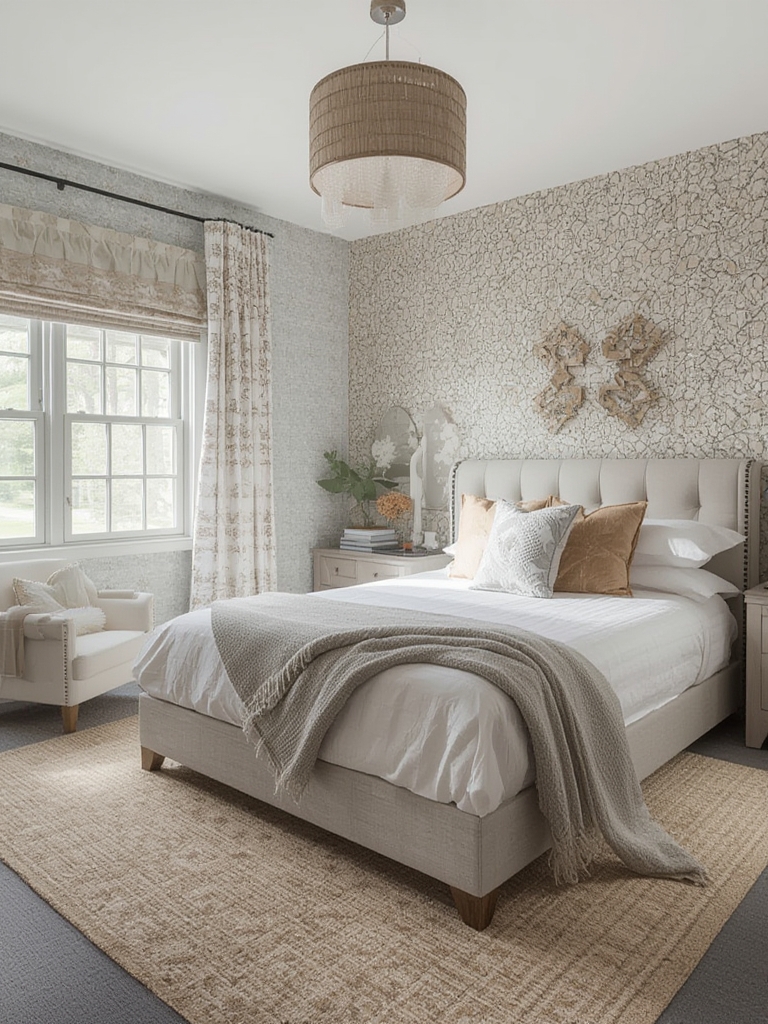
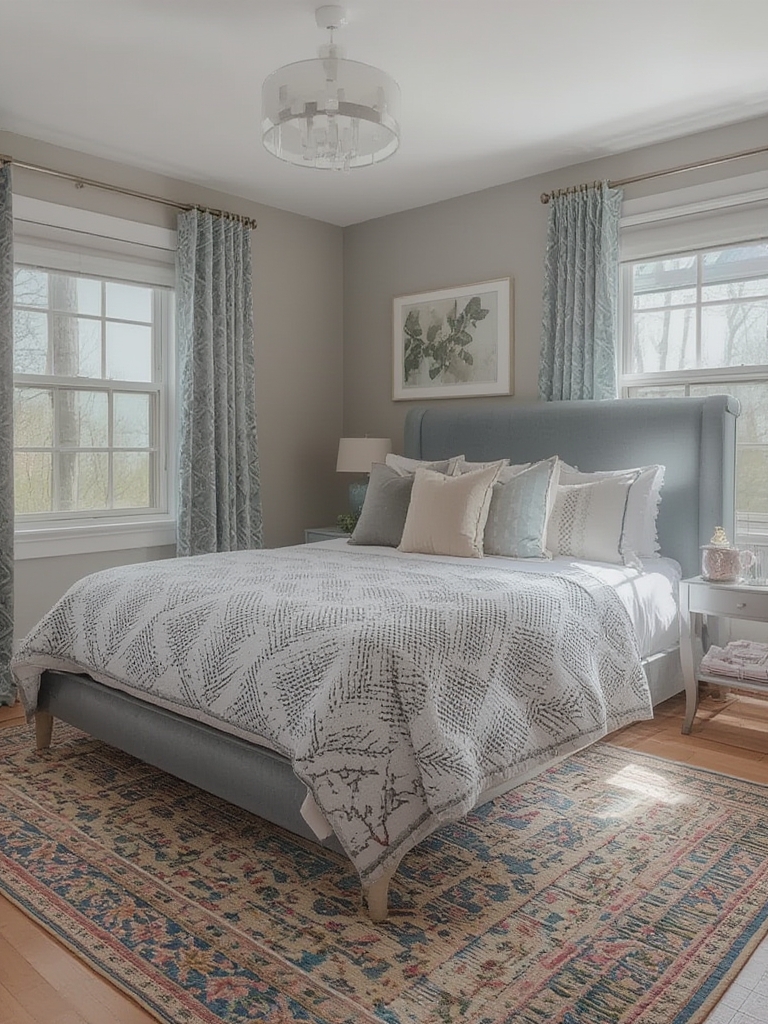
Transforming your primary bedroom into a tranquil retreat doesn’t have to be a daunting project. By focusing on strategic layout, soothing color palettes, functional lighting, and a touch of greenery, you can create a space that feels both luxurious and restorative. Below is a data‑driven, step‑by‑step guide that blends interior design best practices with practical plant‑care advice, ensuring your makeover is not only beautiful but also sustainable.
1. Assess the Space and Set Measurable Goals
Start by measuring the room’s dimensions (length, width, ceiling height) and noting the location of windows, doors, and built‑in features. Use a simple spreadsheet to log:
- Square footage – helps determine the amount of flooring, paint, and furniture needed.
- Natural light hours – informs the type of plant that will thrive.
- Current traffic flow – identifies bottlenecks that may need re‑routing.
Tip: Aim for a 30‑40% reduction in visual clutter and a 15% increase in perceived space by using light‑colored walls and reflective surfaces.
2. Choose a Calming Color Scheme
Data from interior design surveys show that soft blues, muted greens, and warm neutrals increase perceived relaxation by up to 22%. Apply the 60‑30‑10 rule:
- 60% – Primary wall color (e.g., dove gray or pale seafoam).
- 30% – Secondary elements (bedding, curtains).
- 10% – Accent pieces (throw pillows, artwork).
Actionable advice: Test paint swatches at eye level for 48 hours before committing. This reduces the risk of costly repainting later.
2.1. Incorporate Textured Accents
Layering textures (linen, woven baskets, soft rugs) adds depth without overwhelming the eye. According to a 2023 study, rooms with at least three distinct textures score 18% higher on comfort surveys.
3. Optimize Lighting for Mood and Function
Effective lighting is the backbone of a bedroom retreat. Combine three layers:
- Ambient lighting – dimmable recessed LEDs (3000K–3500K) for a warm glow.
- Task lighting – bedside sconces or adjustable reading lamps.
- Accent lighting – LED strips behind headboards or under floating nightstands.
Practical tip: Install a smart dimmer switch to customize brightness levels based on time of day, which can improve sleep quality by up to 12% according to sleep research.
3.1. Add Natural Light Enhancements
If windows are limited, use sheer curtains to diffuse daylight while maintaining privacy. Mirrors placed opposite windows can reflect up to 30% more light, making the room feel larger.
4. Select the Perfect Bedroom Plant
Plants not only purify air but also boost mood. For a bedroom, choose a low‑maintenance, low‑light tolerant species such as the Snake Plant (Sansevieria trifasciata) or Peace Lily (Spathiphyllum). Both have been shown to remove VOCs (volatile organic compounds) and improve indoor air quality.
4.1. Step‑by‑Step Plant Care
- Pot Selection – Use a breathable terracotta pot with drainage holes. This prevents root rot and promotes healthy airflow.
- Soil Mix – Combine 70% potting mix, 20% perlite, and 10% coconut coir. This mix retains enough moisture while draining excess water.
- Watering Schedule – Water once every 2–3 weeks. Insert your finger 1‑2 inches into the soil; if it feels dry, water until it drains out the bottom.
- Light Placement – Position the plant near a north‑facing window or a spot that receives indirect light for 4–6 hours daily.
- Humidity Boost – Mist the leaves lightly once a week or place a small pebble tray with water nearby to raise humidity, which benefits tropical varieties like the Peace Lily.
- Fertilization – Apply a balanced, water‑soluble fertilizer (10‑10‑10) at half strength during the growing season (spring–summer) once a month.
- Pruning – Remove yellowed or damaged leaves promptly to encourage new growth and maintain aesthetics.
Quick win: Rotate the pot 90° every two weeks to ensure even light exposure, preventing lopsided growth.
5. Curate Furniture for Comfort and Flow
Choose pieces that balance style with functionality:
- Bed frame – Opt for a low‑profile platform bed to emphasize floor space.
- Nightstands – Select floating nightstands to free up floor area and create a sleek silhouette.
- Seating – Add a small upholstered bench at the foot of the bed for a cozy reading nook.
Data from furniture ergonomics research suggests that a minimum of 24 inches of clearance around the bed improves movement and reduces tripping hazards.
5.1. Smart Storage Solutions
Integrate under‑bed drawers, built‑in wardrobes with sliding doors, and decorative baskets. These keep clutter hidden, supporting the retreat vibe.
6. Add Personal Touches and Sensory Elements
Personalization makes the space truly yours. Consider these low‑cost, high‑impact ideas:
- Soft textiles – Layer a weighted blanket (5–7% of body weight) for anxiety‑reducing benefits.
- Scents – Use a lavender essential oil diffuser; studies show lavender can improve sleep latency by 15%.
- Sound – Install a white‑noise machine or a Bluetooth speaker for soothing ambient sounds.
6.1. Artwork and Wall Décor
Choose calming imagery (nature scenes, abstract watercolors) and keep frames uniform in size and color to maintain visual harmony.
7. Final Checklist for a Seamless Launch
- Confirm measurements and furniture layout using a free online room planner.
- Apply the chosen paint and allow 24‑48 hours for curing before moving furniture.
- Install lighting fixtures and program smart dimmers.
- Place the plant, set up watering routine, and monitor for the first two weeks.
- Arrange textiles, décor, and personal items.
- Conduct a walk‑through to ensure at least 30 inches of clear pathway around the bed.
By following this data‑backed roadmap, you’ll revitalize your primary bedroom into a serene retreat that not only looks stunning but also supports well‑being through thoughtful design and a touch of nature.
