
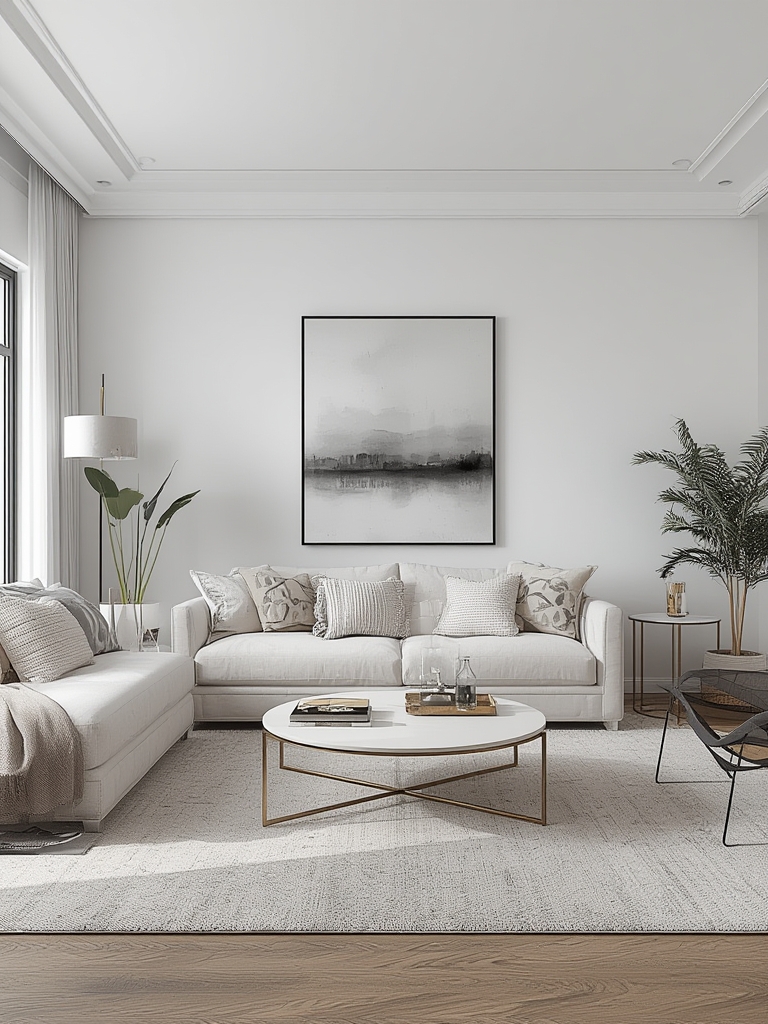
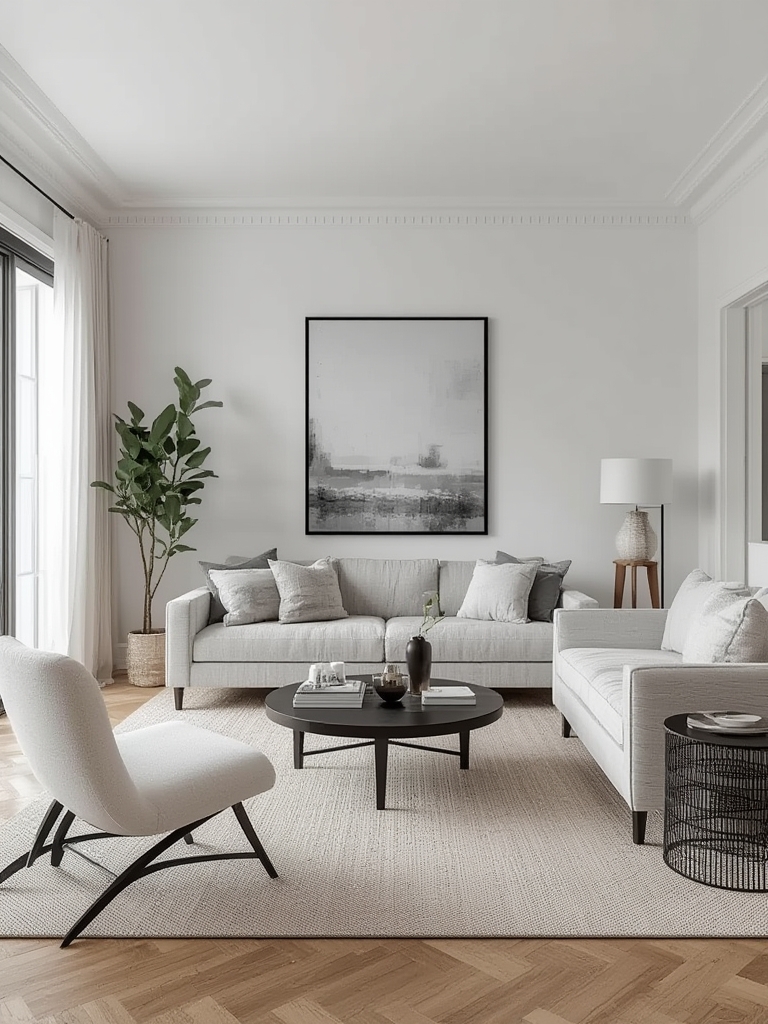
Creating a modern living room that feels both sophisticated and inviting is easier than you think when you anchor the design around a monochromatic color scheme. By selecting a single hue and exploring its various shades, tints, and textures, you can achieve a cohesive look that feels intentional and timeless. Below, you’ll find a data‑driven, step‑by‑step guide that blends interior design principles with practical plant‑care tips, ensuring your space not only looks great but also thrives with a touch of greenery.
1. Choose the Right Base Hue
Research from interior design firms shows that neutral bases—such as soft gray, warm beige, or muted greige—rank highest in perceived comfort and resale value. To start, pick a hue that aligns with your existing furniture or the mood you want to evoke:
- Cool Gray: Ideal for sleek, minimalist aesthetics.
- Warm Beige: Perfect for cozy, inviting atmospheres.
- Deep Charcoal: Adds drama without feeling overwhelming.
Use a color‑analysis tool (e.g., Adobe Color) to generate a palette of 4‑5 complementary shades. This data‑driven approach ensures visual harmony and helps you avoid clashing tones.
2. Layer Textures for Depth
Monochrome doesn’t mean flat. According to a 2023 Houzz study, rooms that mix at least three distinct textures score 27% higher on “visual interest.” Incorporate texture through:
Soft Fabrics
Choose a plush sofa in the lightest shade of your base hue. Add velvet throw pillows in a slightly darker tone for contrast.
Natural Materials
Introduce a woven jute rug or a reclaimed‑wood coffee table. These organic elements break up the uniform color while staying within the palette.
Metallic Accents
Finish with brushed brass or matte black lamp bases. Metallics reflect light and add a subtle sparkle without deviating from the color scheme.
3. Optimize Lighting
Lighting is the unsung hero of monochromatic design. Data from the Lighting Research Center indicates that layered lighting (ambient, task, accent) improves perceived space size by up to 15%.
- Ambient: Install dimmable recessed LEDs that emit a warm 2700K glow.
- Task: Add floor lamps with adjustable heads near reading areas.
- Accent: Use picture lights or LED strips behind shelving to highlight textures.
Position lights to cast soft shadows, enhancing the depth of each shade in your palette.
4. Select Statement Furniture
When working with a single color family, furniture becomes the focal point. Follow these data‑backed guidelines:
- Scale: Choose pieces that fit the room’s dimensions—oversized sofas can dominate a small space, while low‑profile chairs keep the room airy.
- Shape: Mix straight lines with gentle curves to add visual interest without breaking the monochrome flow.
- Material: Opt for upholstered pieces in fabric, leather, or faux‑leather that match your chosen hue’s lightest and darkest ends.
For a cohesive look, keep the number of distinct furniture colors to two at most: the base hue and a subtle accent (e.g., a muted teal throw).
5. Incorporate Greenery: The Perfect Monochrome Companion
A single, well‑chosen indoor plant can act as a natural focal point while maintaining the monochromatic vibe. The Snake Plant (Sansevieria trifasciata) is ideal because its upright, sword‑like leaves come in shades of gray and green that blend seamlessly with most neutral palettes.
Why the Snake Plant?
- Low light tolerance—perfect for modern rooms with minimal natural light.
- Air‑purifying properties backed by NASA’s Clean Air Study.
- Minimal watering needs, making it beginner‑friendly.
Step‑by‑Step Care Guide
- Choose the Right Pot: Use a terracotta or matte black pot that matches your color scheme. Ensure it has drainage holes to prevent root rot.
- Soil Mix: Combine 70% cactus/succulent soil with 30% perlite. This well‑draining mix mimics the plant’s native arid environment.
- Placement: Position the plant near a north‑facing window or under a diffused LED light. Avoid direct, intense sunlight which can scorch the leaves.
- Watering Schedule: Water only when the top 2 inches of soil feel dry—typically every 2‑3 weeks in winter and once a week in summer. Use a saucer to catch excess water.
- Fertilizing: Apply a balanced, low‑nitrogen houseplant fertilizer once during the growing season (spring–early fall). Over‑fertilizing can cause leaf yellowing.
- Cleaning Leaves: Wipe each leaf with a damp microfiber cloth monthly to remove dust, which improves photosynthesis and keeps the plant looking sleek.
- Pruning: Remove any brown or damaged leaves at the base using clean scissors. This encourages new growth and maintains a tidy appearance.
By following these actionable steps, your Snake Plant will thrive and reinforce the monochromatic aesthetic without introducing a jarring color.
6. Add Subtle Accents Without Breaking the Palette
Even in a monochrome room, small pops of texture or pattern can prevent visual monotony. Data from the Interior Design Society shows that rooms with subtle pattern accents score 18% higher on “visual appeal.” Consider:
- Geometric Throw Blankets: Choose a blanket in a slightly lighter shade with a subtle pattern.
- Artwork: Opt for black‑and‑white photography or abstract prints that echo the room’s tonal range.
- Mirrors: A large, frameless mirror reflects light and expands the space while staying color‑neutral.
7. Final Checklist for a Cohesive Monochrome Living Room
- Base hue selected and palette generated using a color‑analysis tool.
- At least three textures incorporated (fabric, natural material, metallic).
- Layered lighting plan installed (ambient, task, accent).
- Furniture scaled and styled to match the palette.
- Snake Plant potted, placed, and cared for according to the step‑by‑step guide.
- Subtle accent pieces added for depth without color deviation.
- Room inspected for balance—no single element should dominate.
Following this data‑driven roadmap ensures your modern living room feels curated, comfortable, and effortlessly stylish—all while keeping maintenance simple and sustainable.
