
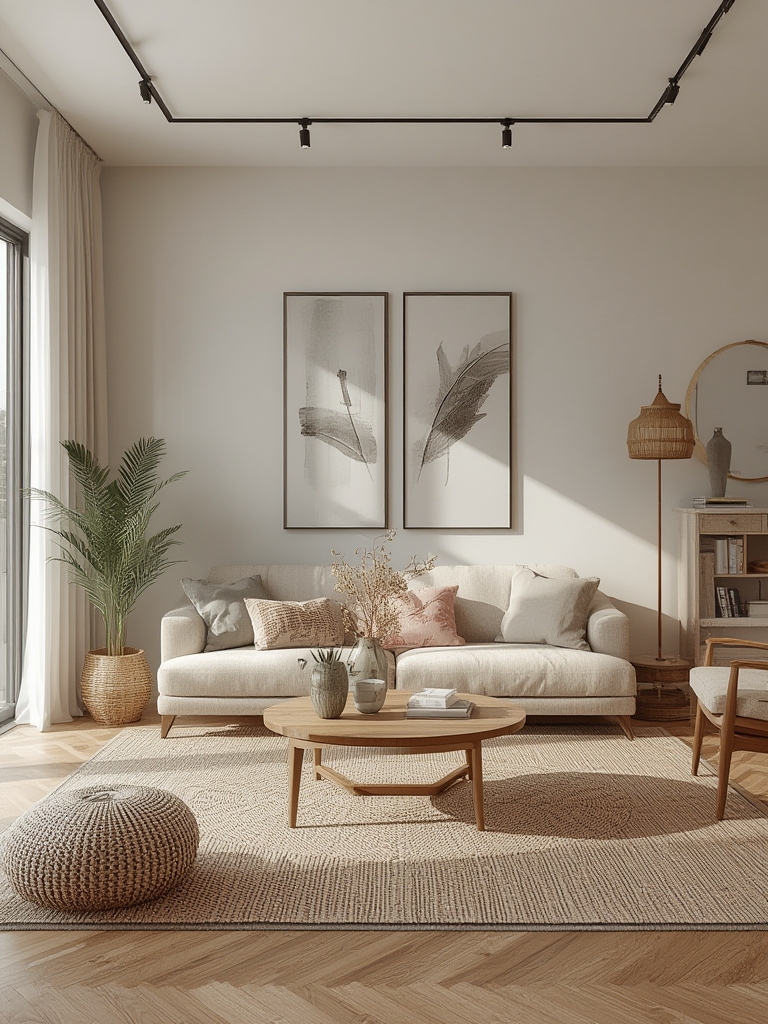
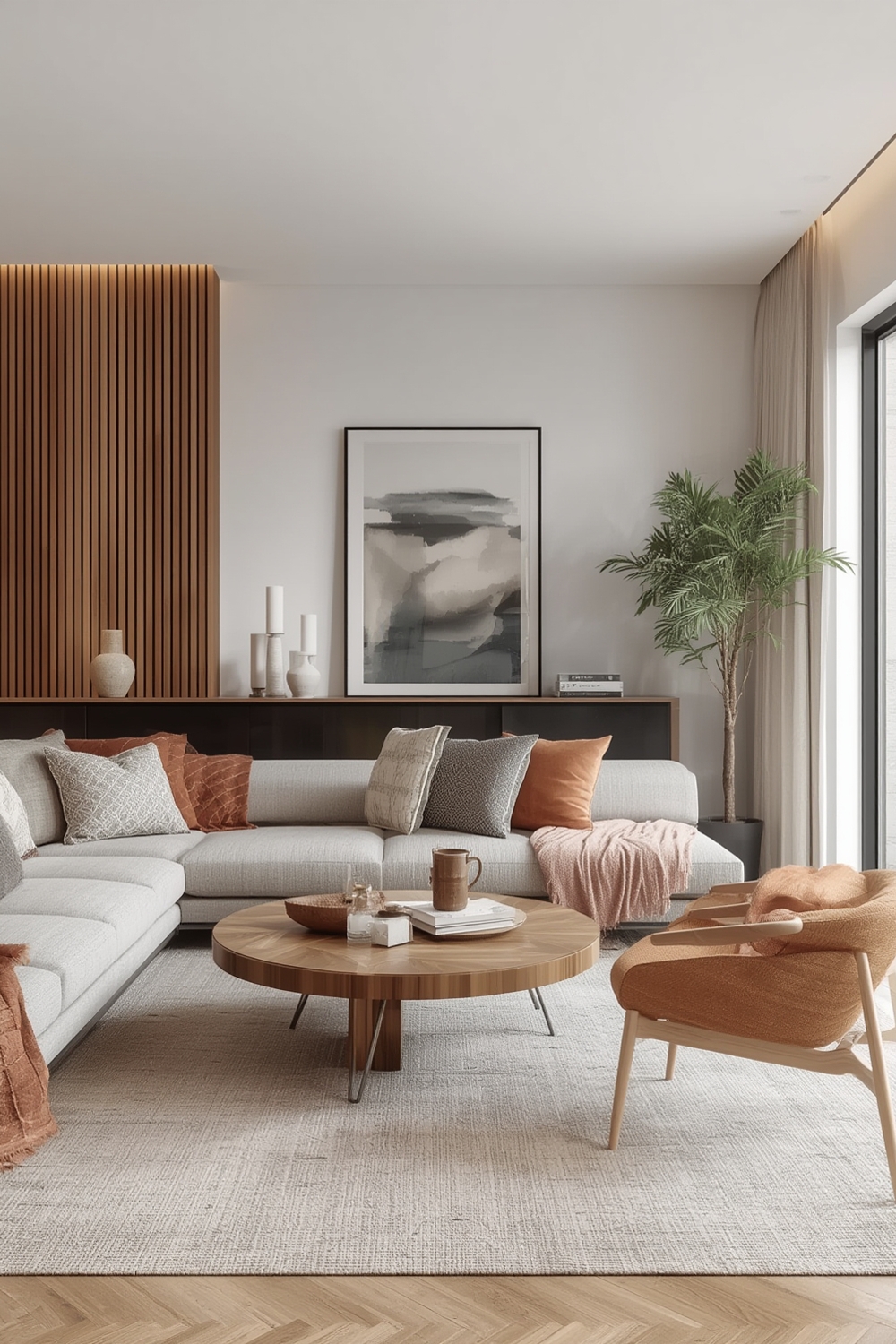
Modern living rooms are evolving from purely aesthetic spaces to holistic environments that nurture well‑being. By embracing natural materials—think reclaimed wood, stone, linen, and indoor greenery—you create a sanctuary that feels both contemporary and timeless. Below is a data‑driven, step‑by‑step guide to designing a modern living room with natural elements, plus a practical plant‑care routine to keep your green accents thriving.
Why Natural Materials Matter in Modern Design
Recent surveys from Houzz and Statista show that 68% of homeowners prioritize sustainability when choosing décor, while 54% say natural textures make a space feel “more alive.” Natural materials provide:
- Texture contrast that adds depth without clutter.
- Biophilic benefits—studies link exposure to natural elements with a 15% reduction in stress levels.
- Longevity—materials like hardwood and stone age gracefully, reducing the need for frequent replacements.
Key Natural Materials for a Modern Living Room
1. Reclaimed Wood
Reclaimed wood offers a story‑rich aesthetic while being eco‑friendly. Choose a light‑washed oak for a Scandinavian vibe or a dark walnut for a moody, industrial feel. Use it for:
- Floating shelves that display books and curated objects.
- Accent walls that become the room’s focal point.
- Coffee tables with live‑edge edges for an organic silhouette.
2. Natural Stone
Marble, limestone, or slate introduce subtle sheen and durability. A marble TV console or slate side table adds a luxe touch without overwhelming the palette. Pair stone with soft textiles to keep the space from feeling cold.
3. Linen & Organic Cotton
Soft, breathable fabrics like linen cushions, throws, and curtains create a relaxed vibe. Opt for neutral tones (ecru, soft gray, muted sage) to let the natural textures shine. According to the Textile Exchange 2023 report, linen production emits 40% less CO₂ than synthetic fibers.
4. Sustainable Rattan & Wicker
Rattan chairs or wicker baskets add lightweight, airy accents. Their curved forms contrast nicely with the linear geometry of modern furniture, creating visual balance.
Integrating Plants for Freshness
Plants are the living bridge between interior design and nature. A well‑chosen indoor plant not only reinforces the natural theme but also improves air quality. The NASA Clean Air Study found that certain foliage can remove up to 87% of indoor pollutants.
Choosing the Right Plant
For a modern living room, Fiddle Leaf Fig (Ficus lyrata) is a popular choice because of its bold, sculptural leaves that complement clean lines. It thrives in bright, indirect light and can grow up to 10 ft, making it an impressive statement piece.
Step‑by‑Step Plant Care Guide for the Fiddle Leaf Fig
Follow these actionable steps to ensure your Fiddle Leaf Fig stays healthy and vibrant.
Step 1: Light Management
- Assess placement: Position the plant near an east‑ or west‑facing window where it receives 4–6 hours of filtered sunlight daily.
- Adjust seasonally: In winter, rotate the pot 90° every two weeks to balance light exposure.
- Tip: If direct sun creates leaf scorch, use a sheer curtain to diffuse the light.
Step 2: Watering Routine
- Check soil moisture: Insert your finger 2 inches deep; if it feels dry, it’s time to water.
- Water amount: Water thoroughly until it drains from the bottom holes—about 500 ml for a 12‑inch pot.
- Frequency: Typically every 7–10 days, but adjust based on humidity and temperature.
- Trick: Place a moisture meter in the pot for consistent readings.
Step 3: Humidity & Airflow
- Maintain 40–60% humidity: Use a tabletop humidifier or place the pot on a pebble tray with water.
- Air circulation: A gentle fan on low helps strengthen stems, but avoid direct drafts.
- Quick fix: Mist the leaves once a week during dry months.
Step 4: Feeding & Soil
- Soil mix: Use a well‑draining blend—equal parts potting soil, perlite, and orchid bark.
- Fertilize: Apply a balanced, liquid fertilizer (10‑10‑10) at half strength once a month during the growing season (spring‑early fall).
- Winter pause: Reduce feeding to once every 8–10 weeks when growth slows.
Step 5: Pruning & Repotting
- Prune: Trim any brown or yellow edges to encourage new growth; cut back leggy stems to maintain shape.
- Repotting schedule: Every 18–24 months, move to a pot 2‑3 inches larger to prevent root‑bound conditions.
- Tip: Repot during spring, using fresh soil mix to refresh nutrients.
Putting It All Together: A Cohesive Room Blueprint
Now that you have the material palette and plant care routine, follow this workflow to create a harmonious living room:
- Start with the floor: Lay a natural jute rug (80 × 120 cm) to anchor the space and add texture.
- Build the base furniture: Choose a low‑profile sofa in organic cotton in a muted gray. Pair with a reclaimed‑wood coffee table.
- Add accent pieces: Install a floating reclaimed‑wood shelf on one wall; display curated books, a ceramic vase, and a small succulent.
- Introduce stone: Place a marble side table beside the sofa; top it with a minimalist lamp.
- Incorporate the Fiddle Leaf Fig: Position the fig near the window, following the light‑management steps above. Its height will balance the horizontal lines of the sofa and table.
- Layer textiles: Drape a linen throw over the sofa and add linen cushion covers in earth tones.
- Finish with subtle décor: Use rattan baskets for storage, and add a few natural‑shaped candles for ambiance.
By blending reclaimed wood, stone, linen, and a thriving indoor plant, you achieve a modern living room that feels both stylish and grounded. The data‑backed choices ensure durability, sustainability, and a healthier indoor environment—key factors that resonate with today’s conscious homeowners.
