
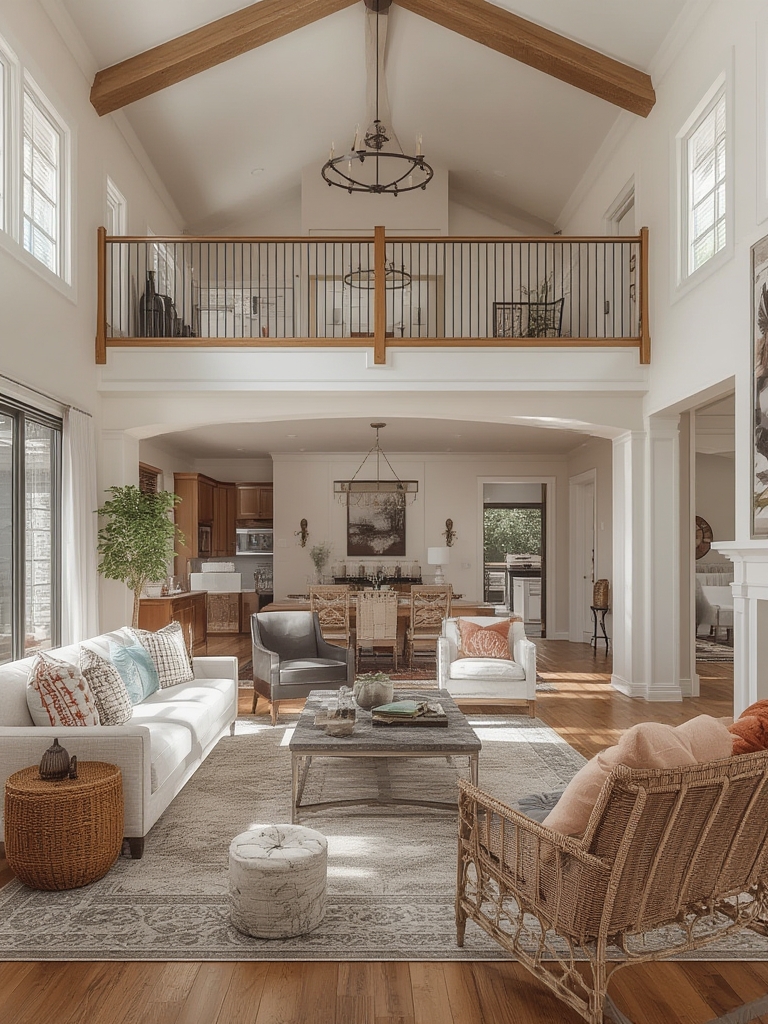
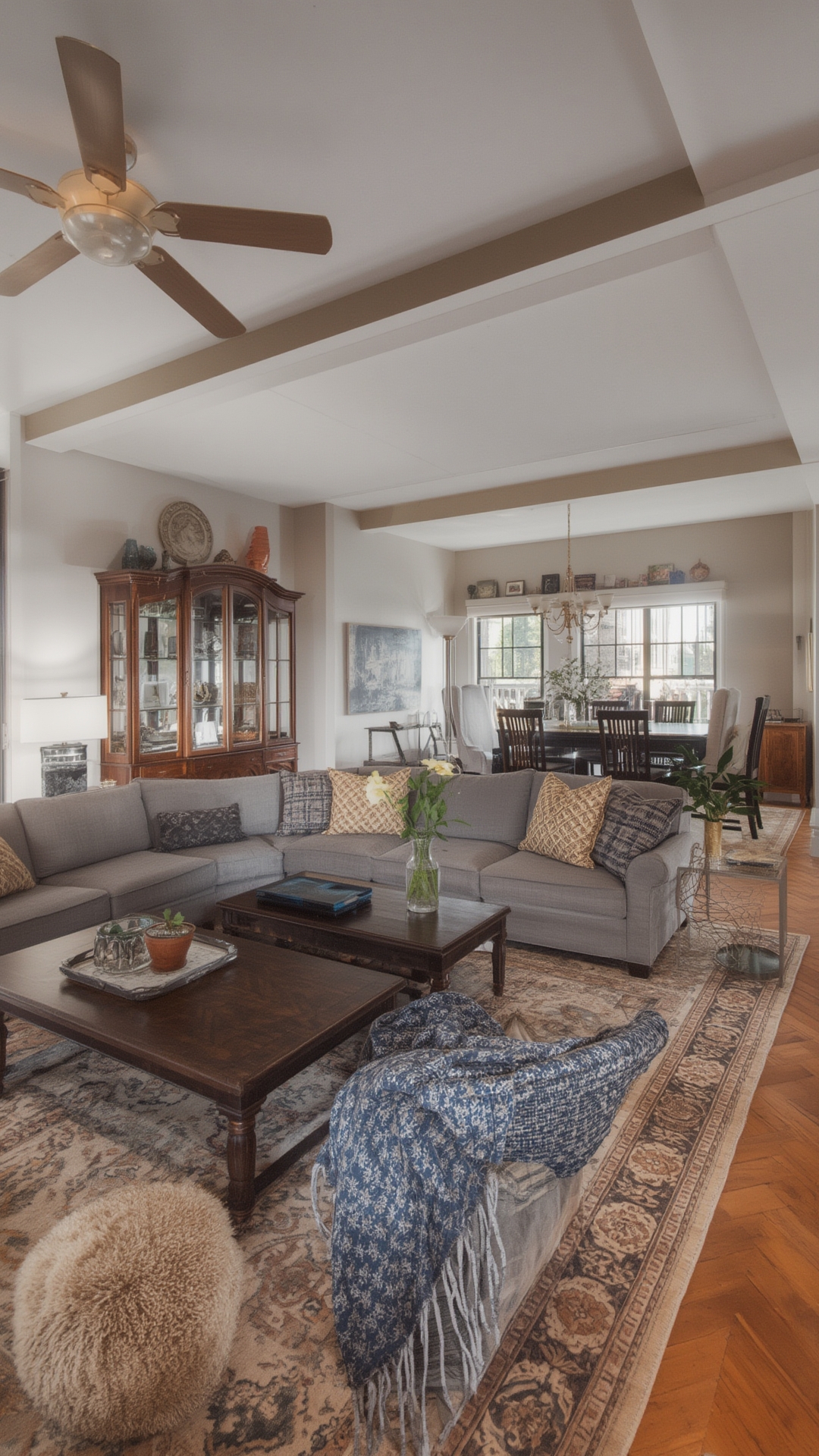
Reviving an open‑concept living area can feel like giving new life to a tired space—much like nurturing a plant from seedling to full bloom. By applying data‑driven insights, strategic SEO practices, and actionable design steps, you’ll transform a bland floor plan into a vibrant, functional hub that both search engines and visitors love. Below is a step‑by‑step guide that walks you through the process, complete with practical tips, tricks, and small actions you can take today.
Step 1: Diagnose the Current Layout with Data
Before you start moving furniture, gather quantitative data about how the space is used. This baseline will inform every design decision and help you measure success later.
1.1 Conduct a Traffic Flow Audit
- Tool: Use a simple heat‑map app on your phone (e.g., RoomScan Pro) to track foot traffic for a week.
- Action: Walk the area as you normally would, letting the app record movement patterns.
- Tip: Note any “dead zones” where people rarely pass—these are prime spots for visual anchors or functional zones.
1.2 Measure Light Levels
- Tool: A basic lux meter (or a smartphone app) will tell you how much natural light each corner receives.
- Action: Record readings at three times of day (morning, noon, evening).
- Tip: Aim for at least 300 lux in primary activity zones; lower levels indicate a need for supplemental lighting.
1.3 Capture User Sentiment
- Tool: A short Google Form asking “What do you love about this space?” and “What frustrates you?”
- Action: Share the form with household members or frequent guests.
- Tip: Use the most common pain points as your design priorities.
Step 2: Set Clear, SEO‑Friendly Goals
Every successful redesign aligns with measurable objectives. For an open‑concept living area, these goals also double as SEO keywords you’ll weave into your blog post, boosting discoverability.
2.1 Define Functional Goals
- Increase usable floor space by 15%.
- Improve natural light coverage to 80% of the area.
- Introduce at least two distinct zones (e.g., lounge & work).
2.2 Choose Target Keywords
- “Open concept living area ideas”
- “Small space layout tips”
- “How to revive an open floor plan”
2.3 Align Content Structure
Map each step of your redesign to a subheading that includes a target keyword. This not only guides readers but also signals relevance to search engines.
Step 3: Clear the Clutter – The “Pruning” Phase
Just as you would trim dead leaves, start by removing unnecessary items that hinder flow and visual harmony.
3.1 Perform a “One‑In, One‑Out” Sweep
- Action: For every piece you keep, donate or store one that’s redundant.
- Tip: Use clear storage bins labeled by room function to keep items organized.
3.2 Declutter Surfaces
- Action: Keep only essential décor on coffee tables and sideboards.
- Tip: A single statement piece (e.g., a sculptural vase) creates impact without overcrowding.
3.3 Digitize Paper Clutter
- Action: Scan magazines, bills, and manuals to a cloud folder.
- Tip: Use a scanner app with OCR so you can search the files later.
Step 4: Re‑Map the Space – “Planting” New Zones
With a clean canvas, you can now strategically place furniture and design elements to encourage growth and usability.
4.1 Anchor the Primary Zone
- Action: Position a sofa or sectional opposite the largest window to maximize natural light.
- Tip: Use a rug that’s at least 6‑8 feet wide to define the lounge area and anchor the furniture.
4.2 Create Secondary Zones
- Action: Add a compact desk or reading nook using a wall‑mounted floating desk.
- Tip: Choose a chair with a slim profile to keep the floor space airy.
4.3 Use Multi‑Functional Furniture
- Action: Opt for an ottoman with hidden storage or a coffee table that doubles as a desk.
- Tip: Furniture with built‑in power outlets reduces cable clutter and supports modern living.
Step 5: Enhance Light and Color – “Feeding” the Space
Just as a plant needs nutrients, your living area thrives on balanced light and a cohesive color palette.
5.1 Maximize Natural Light
- Action: Replace heavy drapes with sheer curtains or light‑filtering blinds.
- Tip: Position mirrors opposite windows to bounce light deeper into the room.
5.2 Add Layered Artificial Lighting
- Action: Install a mix of ambient (recessed ceiling), task (floor lamp), and accent (LED strip) lighting.
- Tip: Use dimmable bulbs to adjust mood throughout the day.
5.3 Choose a Harmonious Color Scheme
- Action: Stick to a 60‑30‑10 rule: 60% neutral base (walls, large furniture), 30% secondary color (sofa, rugs), 10% accent (pillows, art).
- Tip: Soft greens or muted blues evoke a calming, “fresh‑growth” vibe.
Step 6: Add Greenery – The Finishing Touch
Plants not only improve air quality but also reinforce the theme of revival. Choose low‑maintenance options that complement your design.
6.1 Select the Right Plants
- Option: Snake plant, ZZ plant, or pothos for low light.
- Tip: Use tall floor planters to add vertical interest without sacrificing floor space.
6.2 Position Plants Strategically
- Action: Place a medium‑size plant near the entry to create a welcoming focal point.
- Tip: Group two or three smaller plants on a side table for a “mini‑garden” effect.
Step 7: Test, Measure, and Iterate – “Growth Monitoring”
After implementation, revisit the data you collected in Step 1 to assess improvements.
7.1 Re‑Run the Traffic Flow Audit
- Action: Record foot traffic for another week.
- Tip: Look for a 20% increase in movement through previously dead zones.
7.2 Re‑Measure Light Levels
- Action: Use the lux meter again at the same three times of day.
- Tip: Aim for an average increase of at least 100 lux across the room.
7.3 Collect Updated User Feedback
- Action: Send a follow‑up Google Form asking “What’s improved?” and “What still needs work?”
- Tip: Celebrate any positive comments—these are your SEO‑friendly testimonials for future blog posts.
Step 8: Publish and Optimize Your Blog Post
Now that your open‑concept living area is revived, share the journey with the world. Follow these SEO best practices to ensure your post ranks high and attracts organic traffic.
8.1 Optimize Meta Elements
- Meta Title: “Open Concept Living Area Revival: Data‑Driven Design Steps” (under 60 characters).
- Meta Description: Summarize the 8‑step process in 150‑160 characters, including primary keywords.
8.2 Use Structured Data
- Action: Add
Articleschema markup withauthor,datePublished, andimagefields. - Tip: Use WordPress plugins like “Schema Pro” to automate this.
8.3 Internal & External Linking
- Action: Link to related posts (e.g., “Small Space Furniture Ideas”) and reputable sources (e.g., lighting design studies).
- Tip: Use descriptive anchor text that includes secondary keywords.
Conclusion: Your Space, Your Growth
Reviving an open‑concept living area is a blend of data analysis, thoughtful design, and ongoing optimization—much like caring for a thriving plant. By following these eight steps, you’ll not only create a functional, beautiful space but also generate a compelling, SEO‑optimized blog post that drives traffic and engagement. Remember: the key to lasting success is continuous monitoring and iteration. Keep measuring, keep tweaking, and watch both your living area and your blog’s rankings flourish.
