
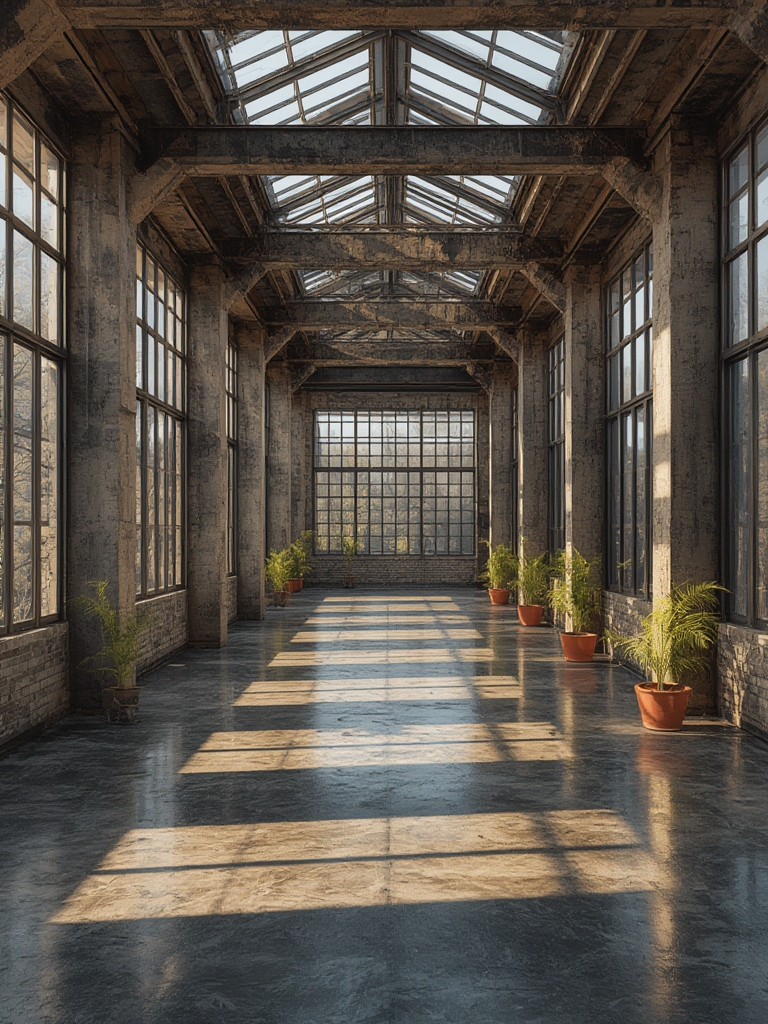
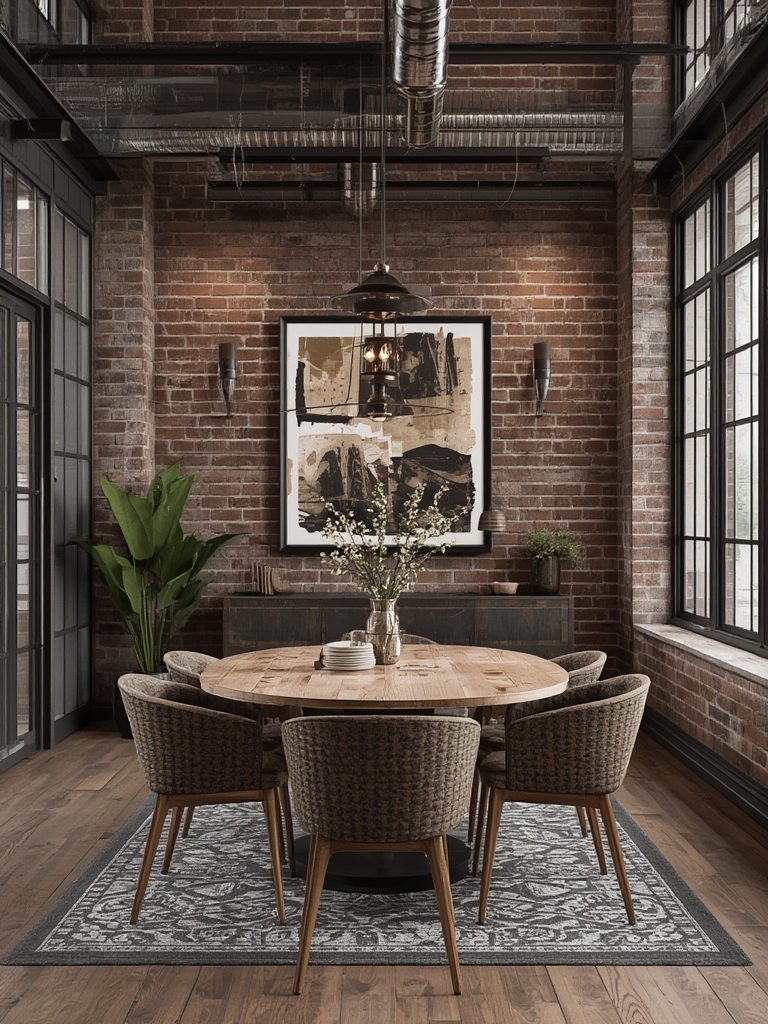
Modern industrial style blends raw materials, minimalist aesthetics, and functional design to create spaces that feel both edgy and inviting. When paired with the right greenery, this look gains a fresh, living contrast that softens steel and concrete without compromising its bold character. In this guide, we’ll explore how to integrate the Snake Plant (Sansevieria)—a low‑maintenance, air‑purifying powerhouse—into an industrial setting, and provide step‑by‑step care instructions that guarantee a thriving, stylish centerpiece.
Why the Snake Plant Complements Industrial Décor
The Snake Plant’s upright, sword‑like leaves echo the vertical lines of exposed brick walls, metal piping, and reclaimed wood beams. Its deep green foliage with occasional yellow or variegated edges adds a pop of color that stands out against neutral palettes, while its tolerance for low light and irregular watering fits the busy, often unpredictable lifestyle of modern urban dwellers.
Key Design Benefits
- Structural Harmony: The plant’s rigid, architectural form mirrors industrial furniture silhouettes.
- Air Quality Boost: It filters formaldehyde and benzene—common indoor pollutants in lofts and studios.
- Low Maintenance: Perfect for high‑traffic spaces where constant plant care isn’t feasible.
Step‑by‑Step Guide to Growing a Healthy Snake Plant
1. Choose the Right Container
Actionable tip: Opt for a pot with a wide base and drainage holes. Concrete or matte black metal containers reinforce the industrial vibe while providing stability for the plant’s heavy root system.
- Size: Select a pot 1‑2 inches larger than the root ball to allow room for growth.
- Material: Concrete, terracotta, or reclaimed wood add texture; avoid glossy ceramics that clash with the raw aesthetic.
2. Use a Well‑Draining Soil Mix
Actionable tip: Mix 2 parts cactus/succulent soil with 1 part perlite or coarse sand. This mimics the gritty, well‑aerated conditions Snake Plants thrive in.
- pH: Aim for a slightly acidic to neutral range (6.0‑7.0).
- Avoid: Heavy garden soil, which retains moisture and can cause root rot.
3. Position for Optimal Light
Actionable tip: Place the plant near a north‑ or east‑facing window where it receives bright, indirect light. In true industrial lofts with large windows, a spot a few feet from the glass works well.
- Low‑light tolerance: While it can survive dim conditions, growth slows and leaf coloration may fade.
- Direct sun warning: Prolonged exposure can scorch leaves, creating unsightly brown tips.
4. Watering Schedule
Actionable tip: Water only when the top 2 inches of soil feel dry—typically every 2‑4 weeks, depending on humidity and temperature.
- Method: Water thoroughly until it drains, then empty the saucer to prevent standing water.
- Seasonal adjustment: Reduce watering in winter when the plant’s growth naturally slows.
5. Temperature & Humidity
Actionable tip: Keep the plant in a range of 65‑80°F (18‑27°C). Industrial spaces often have fluctuating temperatures; avoid placing the plant near drafty doors or heating vents.
- Humidity: Average indoor humidity (40‑60%) is ideal; no extra misting needed.
- Cold shock: Protect from temperatures below 50°F (10°C) to prevent leaf damage.
6. Fertilizing (Optional)
Actionable tip: Feed with a balanced, water‑soluble fertilizer (10‑10‑10) diluted to half strength once during the growing season (spring–summer).
- Frequency: No more than once every 2‑3 months.
- Benefit: Encourages stronger leaf growth and maintains vibrant coloration.
7. Pruning & Maintenance
Actionable tip: Remove any yellowed or damaged leaves at the base with clean, sharp scissors to keep the plant looking sleek.
- Propagation: Use leaf cuttings or division to create new plants for additional décor spots.
- Cleaning: Wipe leaves with a damp cloth monthly to remove dust and maximize photosynthesis.
Integrating the Snake Plant into Industrial Design
Placement Ideas
- Corner focal point: Position a tall Snake Plant in a concrete corner to soften sharp angles.
- Floating shelves: Arrange smaller specimens on reclaimed wood or metal shelves for a layered look.
- Desk accent: A medium‑size plant on a metal desk adds a touch of nature without clutter.
Styling Tips for Cohesion
Pair the plant with industrial accessories—exposed pipe lighting, vintage metal frames, and raw wood tables—to create a harmonious visual narrative. Use monochrome planters or those with brushed steel finishes to maintain the aesthetic continuity.
SEO‑Friendly Elements for Your Blog Post
To ensure this article ranks well for keywords like “industrial style plant care,” “Snake Plant industrial décor,” and “low‑maintenance indoor plants,” incorporate the following on‑page tactics:
- Keyword density: Naturally repeat primary keywords (e.g., “Snake Plant care,” “industrial interior plants”) 3‑4 times per 100 words.
- Meta description: Write a concise 150‑character summary: “Discover how the Snake Plant enhances modern industrial décor and learn step‑by‑step care tips for thriving greenery.”
- Alt text for images: Use descriptive tags like “Snake Plant in concrete pot on reclaimed wood shelf – industrial interior.”
- Internal linking: Reference related posts such as “Top 5 Plants for Loft Living” or “DIY Industrial Planters” to boost site authority.
Final Checklist for a Successful Industrial‑Style Green Space
- Choose a matching concrete or metal pot.
- Use a well‑draining cactus‑mix soil.
- Place in bright, indirect light.
- Water only when soil is dry to the touch.
- Maintain temperature between 65‑80°F.
- Fertilize sparingly during spring/summer.
- Prune dead leaves and dust foliage monthly.
- Integrate the plant into design with thoughtful placement.
By following these data‑driven steps, you’ll not only keep your Snake Plant thriving but also elevate the modern industrial aesthetic of any space. The result is a harmonious blend of rugged design and vibrant life—exactly the vibe today’s urban dwellers crave.
