
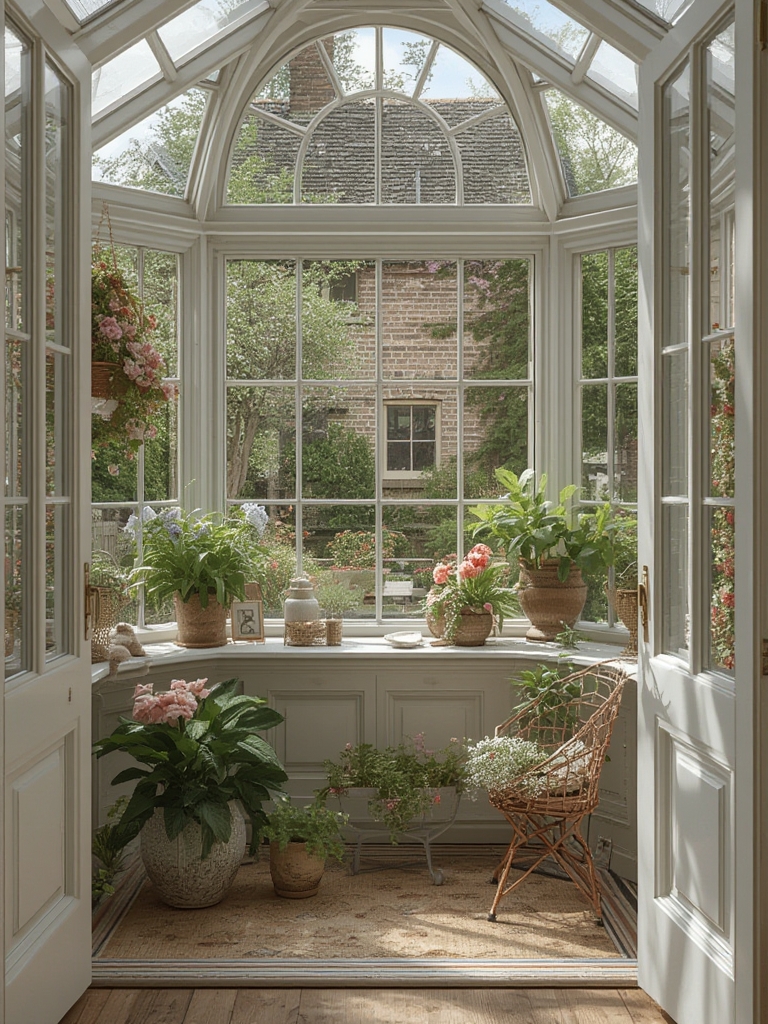
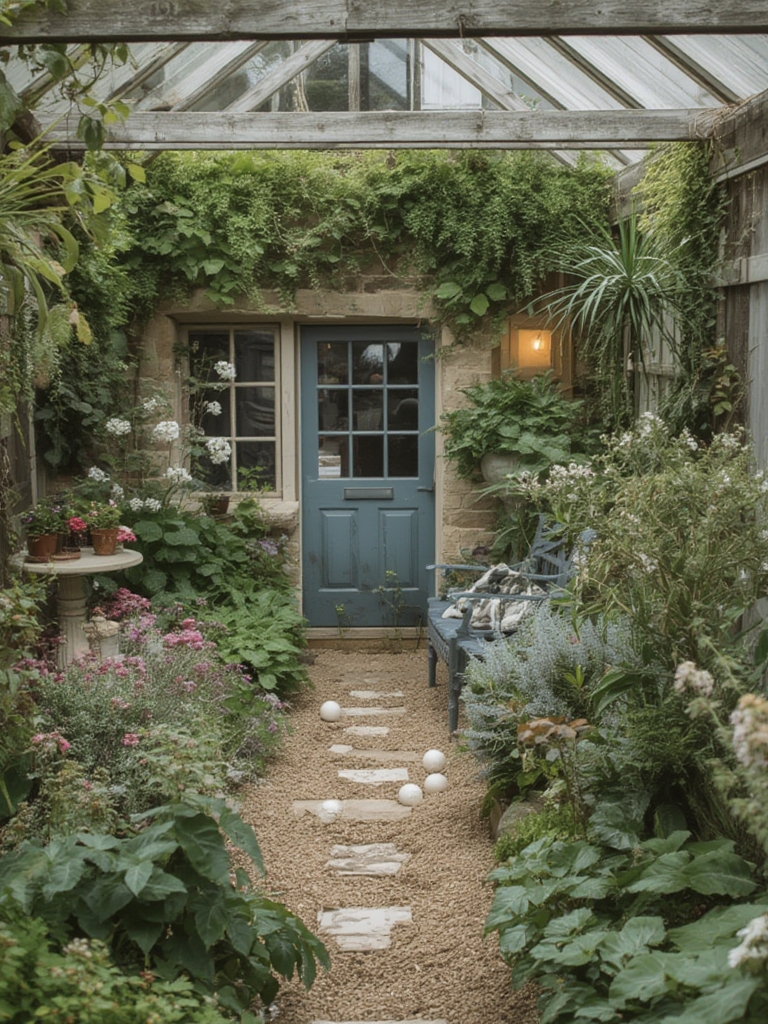
Imagine the charm of a traditional English cottage garden—soft, fragrant, and bursting with a mix of herbs, flowers, and foliage—now thriving on your windowsill or coffee table. Bringing this timeless style indoors not only adds visual interest but also creates a soothing, natural sanctuary within your home. In this guide, we’ll walk you through the essential steps to select, plant, and care for a curated collection of cottage‑garden favorites that flourish inside, while weaving in practical SEO‑friendly tips to help your blog post rank high and attract garden‑enthusiasts searching for “English cottage garden indoor décor.”
Choosing the Right Cottage‑Garden Plants for Indoors
Not every garden plant can handle the indoor environment, but a handful of hardy, low‑maintenance species capture the quintessential cottage‑garden vibe. Focus on varieties that thrive in moderate light, tolerate occasional temperature fluctuations, and offer a mix of foliage and blooms.
1. Herbs: Lavender, Rosemary, and Thyme
- Lavender (Lavandula angustifolia) – Provides a soothing scent and silvery‑gray foliage.
- Rosemary (Rosmarinus officinalis) – Adds a woody aroma and needle‑like leaves.
- Thyme (Thymus vulgaris) – Compact, aromatic, and perfect for edging.
2. Flowering Perennials: Primroses, Pansies, and Violas
- Primroses (Primula vulgaris) – Early‑spring color with delicate, pastel blooms.
- Pansies (Viola × wittrockiana) – Cool‑season flowers that come in a rainbow of shades.
- Violas (Viola tricolor) – Small, hardy, and excellent for window boxes.
3. Foliage Plants: Ferns, Ivy, and Sweet Pea Vines
- Boston Fern (Nephrolepis exaltata) – Lush, arching fronds that soften corners.
- English Ivy (Hedera helix) – Classic trailing vines for shelves or hanging baskets.
- Sweet Pea (Lathyrus odoratus) – Fragrant, climbing vines that can be trained on trellises.
Step‑by‑Step Guide to Growing an Indoor Cottage Garden
Step 1: Assess Light Conditions and Choose the Right Spot
Most cottage‑garden plants need bright, indirect light. South‑facing windows provide the most consistent illumination, but a north‑facing window can work for shade‑tolerant ferns and ivy. Use a light meter app to measure foot‑candles; aim for 200–500 foot‑candles for most herbs and 100–300 for ferns.
- Tip: Rotate pots 90° every two weeks to ensure even growth.
- Trick: Place a sheer curtain to diffuse harsh midday sun and prevent leaf scorch.
Step 2: Select Appropriate Containers and Soil
Choose containers with drainage holes to avoid waterlogged roots. Terracotta pots are breathable and ideal for herbs, while glazed ceramic containers retain moisture for ferns. Fill each pot with a high‑quality, well‑draining potting mix—preferably a blend of peat moss, perlite, and compost (40/30/30 ratio).
- Actionable Advice: Add a thin layer of pea gravel at the bottom of the pot before soil to improve drainage.
- SEO Note: Include keywords like “well‑draining potting mix for indoor herbs” to capture niche searches.
Step 3: Planting – Positioning for Aesthetic Balance
Arrange taller plants (rosemary, ivy) toward the back or center of the arrangement, and place low‑growing herbs (thyme, lavender) at the front. This creates depth and mimics the layered look of an outdoor cottage garden.
- Tip: Use a shallow, decorative tray to group several pots; it adds visual cohesion and makes watering easier.
- Trick: Insert a small wooden stake or bamboo stick for climbing vines like sweet peas to encourage upward growth.
Step 4: Watering Routine – Consistency Over Quantity
Indoor cottage‑garden plants generally prefer the soil to dry slightly between waterings. Stick your finger 1‑2 cm into the soil; if it feels dry, water thoroughly until water drains from the bottom.
- Practical Tip: Use a spray bottle for delicate seedlings to avoid dislodging roots.
- Actionable Advice: Set a weekly reminder on your phone to check soil moisture, especially during winter when indoor heating dries the air.
Step 5: Feeding – Light Fertilization for Longevity
Apply a balanced, water‑soluble fertilizer (10‑10‑10) at half strength once a month during the growing season (spring–early fall). Over‑fertilizing can cause leggy growth and reduced fragrance.
- Tip: For herbs, a liquid seaweed extract once every six weeks boosts flavor and aroma.
- Trick: Mix a pinch of organic compost into the topsoil layer in early spring for a slow‑release nutrient boost.
Step 6: Pruning and Harvesting – Keep the Garden Tidy
Regular pruning encourages bushier growth and prevents plants from becoming top‑heavy. Snip off spent blooms on pansies and primroses to promote a second flush of flowers. Harvest herbs just before they flower for the most potent flavor.
- Actionable Advice: Use clean, sharp scissors; cut just above a leaf node to stimulate new shoots.
- Tip: Pinch back rosemary tips every few weeks to maintain a compact shape.
Enhancing Home Décor with Cottage‑Garden Elements
Beyond the botanical care, integrating your indoor cottage garden into your décor elevates the overall aesthetic. Here are three simple ways to showcase your greenery while reinforcing the cottage‑garden theme.
1. Create a “Garden Shelf” Display
Install a floating shelf near a bright window and arrange a mix of pots, vintage watering cans, and small garden tools. The visual variety adds depth and tells a story.
- SEO Insight: Use phrases like “DIY indoor garden shelf ideas” to attract DIY‑focused readers.
- Practical Tip: Add a small LED grow light under the shelf for consistent illumination during darker months.
2. Use Vintage Textiles and Pottery
Place your pots in reclaimed wooden crates or on distressed metal trays. Pair with linen napkins, floral cushions, or a crocheted table runner to echo the cottage vibe.
- Actionable Advice: Search for “vintage garden pottery” on thrift stores or online marketplaces for authentic pieces.
- Trick: Paint the inside of plain terracotta pots with chalk paint for a weathered look without the cost of antiques.
3. Incorporate Seasonal Accents
Swap out decorative elements with the seasons—add mini pumpkins in autumn, fresh berries in winter, or pastel ribbons in spring. This keeps the space dynamic and encourages repeat visits to your blog.
- Tip: Use natural, biodegradable decorations to maintain an eco‑friendly approach.
- SEO Boost: Include “seasonal indoor garden décor ideas” to capture long‑tail search traffic.
Common Challenges and How to Overcome Them
Even with careful planning, indoor cottage gardens can face hurdles. Below are frequent issues and quick fixes to keep your garden thriving.
Issue 1: Yellowing Leaves
Often a sign of over‑watering or poor drainage. Check the pot’s bottom for standing water and adjust your watering schedule.
- Quick Fix: Repot the plant in fresh, well‑draining soil and ensure the pot has adequate holes.
Issue 2: Leggy Growth
Insufficient light causes plants to stretch toward the window.
- Solution: Move the plant closer to the light source or supplement with a full‑spectrum LED grow light for 12‑14 hours daily.
Issue 3: Pests (Aphids, Spider Mites)
Indoor environments can still attract tiny pests.
- Actionable Advice: Spray a mild neem oil solution (1 tsp per quart of water) weekly until pests disappear.
- Tip: Keep humidity levels moderate (40‑60 %) to deter spider mites.
Final Thoughts: A Living Cottage Garden Year‑Round
By selecting the right plant mix, mastering a simple care routine, and thoughtfully integrating your indoor cottage garden into your home décor, you’ll enjoy a perpetual slice of English countryside charm—no matter the weather outside. Remember to keep your content fresh, use targeted keywords like “indoor English cottage garden décor,” and provide actionable, data‑driven tips that readers can implement immediately. This approach not only delights your audience but also signals search engines that your post is a valuable, evergreen resource for anyone looking to bring a touch of cottage‑garden magic inside.
