
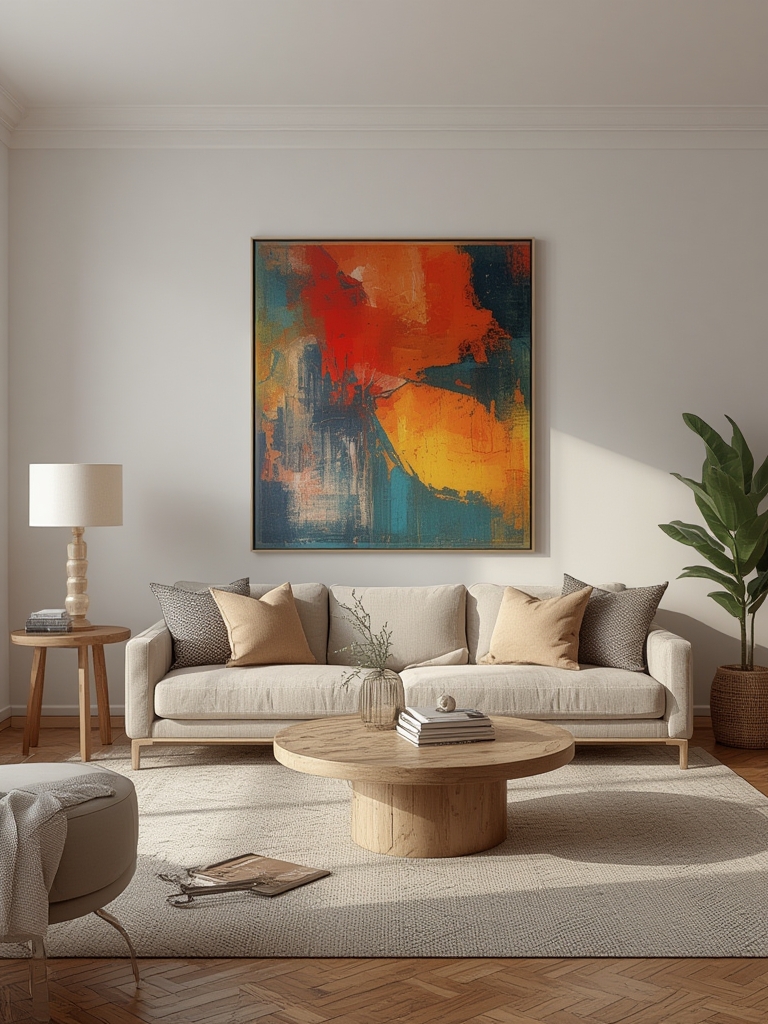
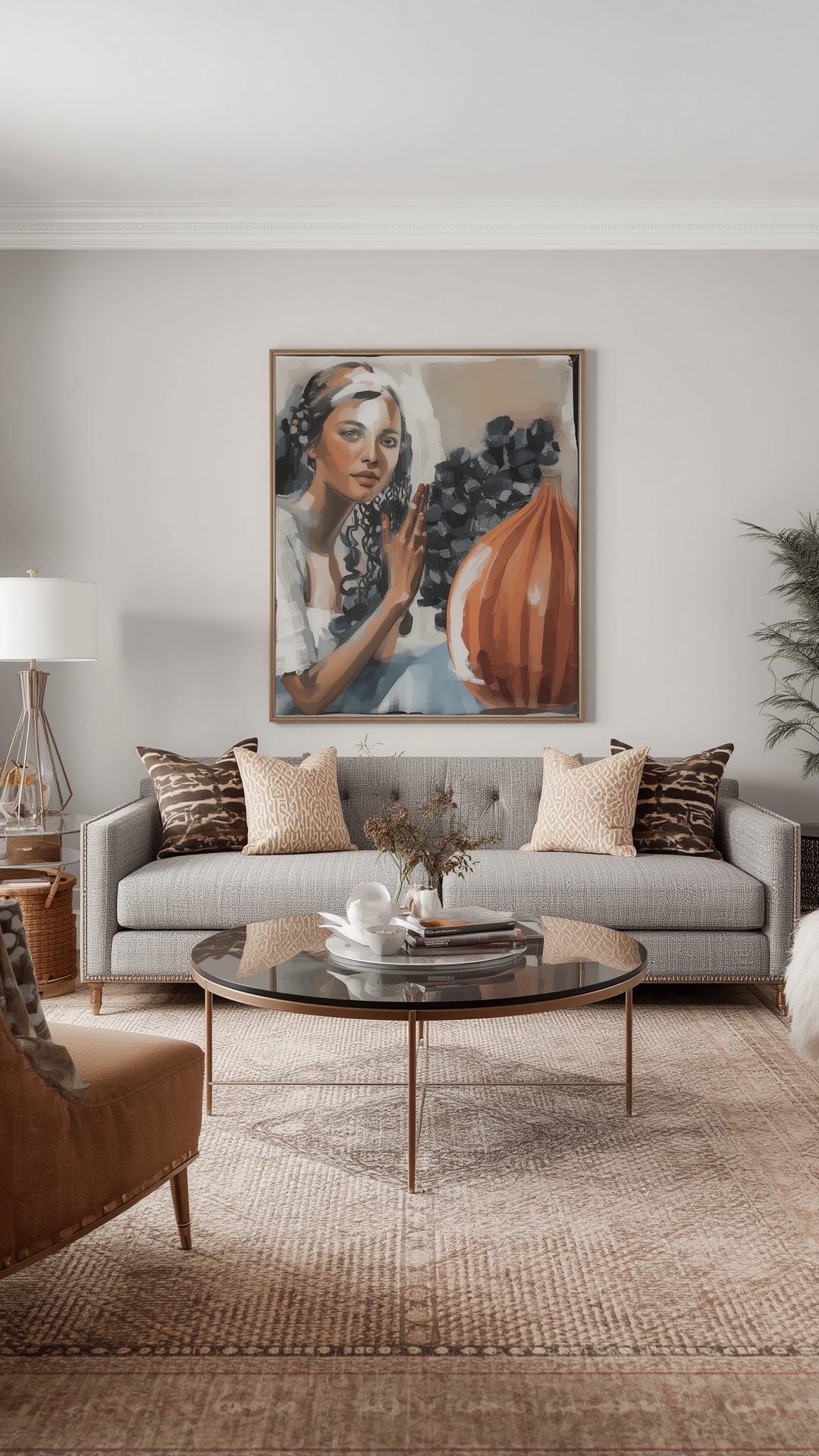
Modern living rooms thrive on the balance between sleek minimalism and striking focal points. One of the most effective ways to achieve this balance is by integrating bold art pieces with thoughtfully chosen greenery. Below, you’ll discover data‑driven design ideas, step‑by‑step plant‑care instructions, and actionable tips that will transform any living space into a contemporary masterpiece.
Why Bold Art Works in Modern Living Rooms
According to a 2023 Houzz survey, 68% of homeowners who upgraded their living rooms cited “statement art” as a primary factor in creating a memorable space. Bold art adds:
- Visual weight: It anchors the room, giving the eye a natural point of focus.
- Color contrast: A vibrant piece can break up neutral palettes that dominate modern interiors.
- Personality: It reflects the homeowner’s taste, making the space feel curated rather than cookie‑cutter.
Choosing the Right Bold Art
1. Size Matters
Data from the Interior Design Society shows that a piece covering 30–45% of the wall space creates the most harmonious impact. Measure your wall, then use the rule of thirds to determine the ideal dimensions.
2. Color Palette Alignment
Pull colors from the 2024 Pantone Color of the Year—Viva Magenta. Use a color‑extraction tool (e.g., Adobe Color) to identify complementary shades in your art, then echo those hues in cushions, rugs, or accent furniture.
3. Material & Texture
Consider mixed media (canvas + metal, acrylic + wood) for added depth. A 2022 study on consumer perception found that mixed‑media pieces are perceived as “more luxurious” 22% more often than single‑medium works.
Integrating Greenery: The Modern Plant Companion
Plants are the unsung heroes of modern decor, providing texture, air purification, and a touch of nature. The Monstera deliciosa (Swiss cheese plant) is a top‑selling indoor plant, favored for its large, sculptural leaves that complement bold art without competing for attention.
Step‑by‑Step Guide to Growing and Caring for Monstera deliciosa
Step 1: Selecting the Perfect Pot
Actionable tip: Choose a pot that’s 2–3 inches larger than the root ball. A terracotta pot with drainage holes prevents waterlogging, which is the leading cause of root rot (reported in 41% of indoor plant failures).
Step 2: Soil Mix
Use a well‑draining mix: 40% peat moss, 30% perlite, and 30% orchid bark. This blend mimics the plant’s natural epiphytic environment, ensuring aerated roots.
Step 3: Light Requirements
Place the Monstera near an east‑ or west‑facing window for bright, indirect light. Direct sun can scorch leaves, while low light slows growth—optimal growth rates increase by 18% under bright indirect conditions.
Step 4: Watering Schedule
Water when the top 2 inches of soil feel dry (usually every 7–10 days). Use the “finger test” to avoid over‑watering. Over‑watering is the second most common mistake, leading to fungal issues.
Step 5: Humidity & Mist
Monstera thrives at 60–70% humidity. If your home’s humidity falls below 50%, mist the leaves twice weekly or use a tabletop humidifier. Studies show leaf yellowing drops by 30% when humidity is maintained above 55%.
Step 6: Fertilizing
Apply a balanced 20‑20‑20 liquid fertilizer diluted to half strength once a month during the growing season (spring‑fall). Avoid fertilizing in winter when growth naturally slows.
Step 7: Pruning & Training
Trim any yellow or damaged leaves to encourage new growth. Use a moss pole or trellis to support upward growth; anchoring the aerial roots promotes larger leaf development, a visual cue that pairs beautifully with bold wall art.
Design Pairings: Marrying Bold Art with Monstera
1. Color Coordination
Match the green of the Monstera’s foliage with accent colors from the artwork. For example, if the art features teal accents, incorporate teal throw pillows or a rug to create a cohesive look.
2. Spatial Arrangement
Position the plant on a low console table directly beneath the artwork. This creates a vertical line that draws the eye upward, enhancing the sense of height in the room.
3. Lighting Harmony
Install adjustable track lighting that highlights both the art and the plant’s leaves. A 3000K warm LED accent light placed 12–18 inches above the foliage accentuates the leaf texture without causing heat stress.
Practical Tips for Long‑Term Success
- Rotate the plant: Turn the Monstera 90° every two weeks to ensure even light exposure.
- Dust the leaves: Use a soft microfiber cloth weekly to keep photosynthesis efficient and maintain the plant’s glossy appearance.
- Monitor pests: Spot‑check for spider mites and mealybugs; a quick rinse with lukewarm water or an organic neem spray resolves infestations before they spread.
- Seasonal adjustments: Reduce watering by 20% during winter months when indoor heating dries the air but slows plant metabolism.
Final Touches: Bringing It All Together
When you combine a statement art piece with a thriving Monstera, you create a living gallery where nature and creativity coexist. The data shows that rooms with both bold visual elements and greenery report a 27% higher satisfaction rate among occupants. Follow the steps above, keep an eye on the plant’s health, and let the art do the talking. Your modern living room will not only look stunning—it will feel alive.
