
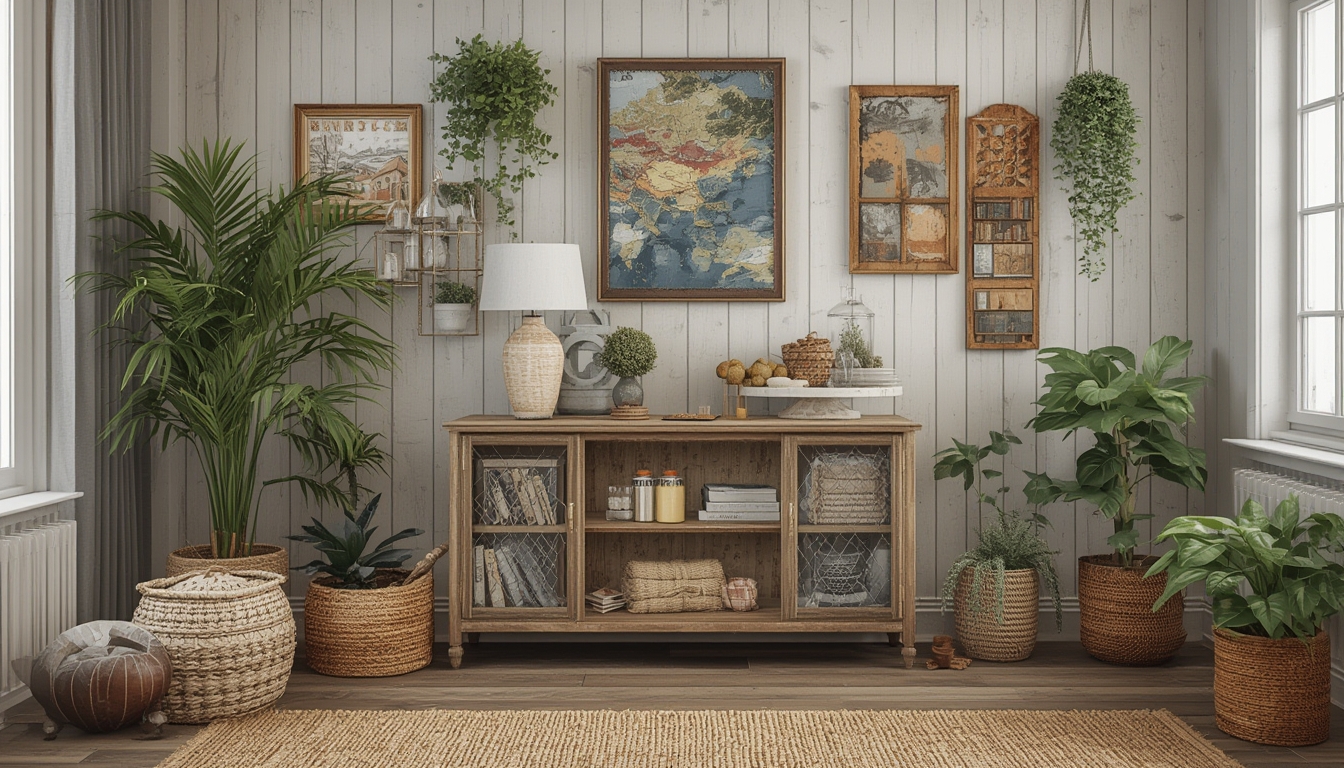

Upcycling a simple wooden pallet into a stylish coffee table is a rewarding weekend project that combines creativity, sustainability, and cost‑effectiveness. By following this data‑driven guide you’ll transform a discarded pallet into a centerpiece that can handle daily use while adding a rustic charm to any living space. The steps below are broken down into clear actions, each paired with the exact tools you’ll need and practical tips to avoid common pitfalls.
Why Upcycle? The Numbers Behind the Trend
According to a 2023 Statista report, 68 % of DIY enthusiasts cite environmental concerns as a primary motivator for upcycling projects. Moreover, a NRDC study found that repurposing a single pallet can save up to 15 kg of CO₂ emissions compared to purchasing a new piece of furniture. These figures highlight how a modest investment of time can yield both ecological and financial dividends.
Project Overview: From Pallet to Coffee Table
This guide walks you through the entire process—from selecting the right pallet to applying a durable finish. By the end, you’ll have a functional coffee table that costs under $30 in materials, lasts for years, and showcases your personal style.
Materials & Tools
- Materials: 1 clean, heat‑treated pallet (40 × 48 in), 2 × 4 lumber (for legs), wood screws (2½ in), wood glue, sandpaper (80, 120, 220 grit), wood stain or paint, clear polyurethane.
- Tools: Circular saw or handsaw, power drill with screwdriver bits, measuring tape, carpenter’s square, safety glasses, dust mask, clamps, sander (or sanding block), paintbrush or lint‑free cloth.
Tip: Purchase a pallet from a local hardware store or a grocery outlet that marks pallets with “HT” (heat‑treated). Avoid “MB” (methyl bromide) pallets, which may contain harmful chemicals.
Step 1 – Selecting & Preparing the Pallet
- Inspect for damage: Lay the pallet flat and look for cracked boards, rot, or loose nails. Choose one with uniform spacing and no warping.
- Clean the surface: Use a stiff brush to remove dirt and debris. For stubborn grime, a mixture of warm water and mild dish soap works well.
- Dry thoroughly: Let the pallet air‑dry for at least 24 hours. Moisture trapped inside can cause future swelling.
Practical tip: Weigh the pallet after cleaning; a typical 48‑in pallet weighs around 30 lb. Knowing the weight helps you plan for safe handling during disassembly.
Step 2 – Disassembling & Sanding
- Remove the top boards: Using a circular saw, cut along the outer edges to free the top planks. Keep the cuts straight to preserve board length.
- Detach nails: Slide a pry bar under each board and gently tap with a hammer to lift nails. A nail puller can speed up this step.
- Sanding: Start with 80‑grit sandpaper to smooth rough edges, then progress to 120‑grit for a finer finish, and finish with 220‑grit for a silky surface.
Actionable advice: Sand in the direction of the wood grain to avoid scratches. Use a dust mask throughout to protect your lungs.
Step 3 – Building the Tabletop
- Arrange boards: Lay the sanded planks side by side on a flat surface. Align them so the grain runs in the same direction for visual consistency.
- Trim excess: Measure the desired tabletop width (typically 30‑in) and cut the outer boards with a handsaw to achieve uniform dimensions.
- Secure with wood glue: Apply a thin bead of glue between each board, then clamp the assembly for 30 minutes to ensure a strong bond.
- Reinforce with screws: Drill pilot holes (½‑in deep) every 12 in along the edges, then drive 2½‑in screws to lock the boards together.
Tip: Use a carpenter’s square to verify that the tabletop remains square after clamping; a misaligned surface can cause wobble later.
Step 4 – Adding a Sturdy Base
- Cut leg pieces: From the 2 × 4 lumber, cut four legs to a height of 18 in (standard coffee‑table height). Ensure each leg is cut at a 90° angle.
- Attach a cross‑support: Cut two short 2 × 4 pieces (12 in long) to serve as a stretcher between each pair of legs. This prevents wobble.
- Pre‑drill holes: Using a drill bit slightly smaller than the screw diameter, pre‑drill holes through the leg ends and into the stretcher pieces.
- Assemble the frame: Screw the stretchers to the legs, forming a rectangular base. Double‑check that the frame is level with a spirit level.
- Mount the tabletop: Center the tabletop on the frame, then secure it with 2½‑in screws through the tabletop into the top of each leg. Use a washer under each screw head to distribute pressure.
Practical tip: Apply a small amount of wood glue to each screw joint before tightening. This adds extra shear strength without compromising the ability to disassemble later.
Step 5 – Finishing Touches
- Stain or paint: Choose a wood stain that matches your décor, or a chalk paint for a matte look. Apply with a lint‑free cloth, following the grain, and let dry for 4 hours.
- Seal with polyurethane: Brush on two coats of clear polyurethane, sanding lightly with 220‑grit sandpaper between coats. This protects the surface from spills and scratches.
- Attach felt pads: Place self‑adhesive felt pads under each leg to protect flooring and reduce noise.
- Final inspection: Flip the table upright, check for wobble, and tighten any loose screws. Your coffee table is now ready for use.
Quick tip: If you prefer a distressed look, sand the edges lightly after staining and before the final polyurethane coat.
Maintenance & Longevity Tips
To keep your upcycled coffee table looking fresh:
- Wipe spills immediately with a soft, damp cloth; avoid abrasive cleaners.
- Reapply a thin coat of polyurethane every 12‑18 months in high‑traffic homes.
- Check screw tightness quarterly; wood expands and contracts with humidity, which can loosen joints.
- Rotate decorative items on the tabletop periodically to prevent uneven wear.
Quick Wins for Further Upcycling
If you enjoyed this project, consider these easy extensions that reuse the same pallet material:
- Pallet Shelf: Cut additional boards to create wall‑mounted floating shelves; use bracket hardware and a level for a seamless look.
- Planter Box: Assemble a shallow box from leftover pallet slats, line it with landscape fabric, and fill with soil for indoor herbs.
- Coaster Set: Cut small 4‑in squares, sand smooth, and finish with a quick spray of polyurethane for reusable drink coasters.
Each of these mini‑projects leverages the same tools and techniques, letting you maximize the value of a single pallet while continuously adding personalized, eco‑friendly pieces to your home.
