
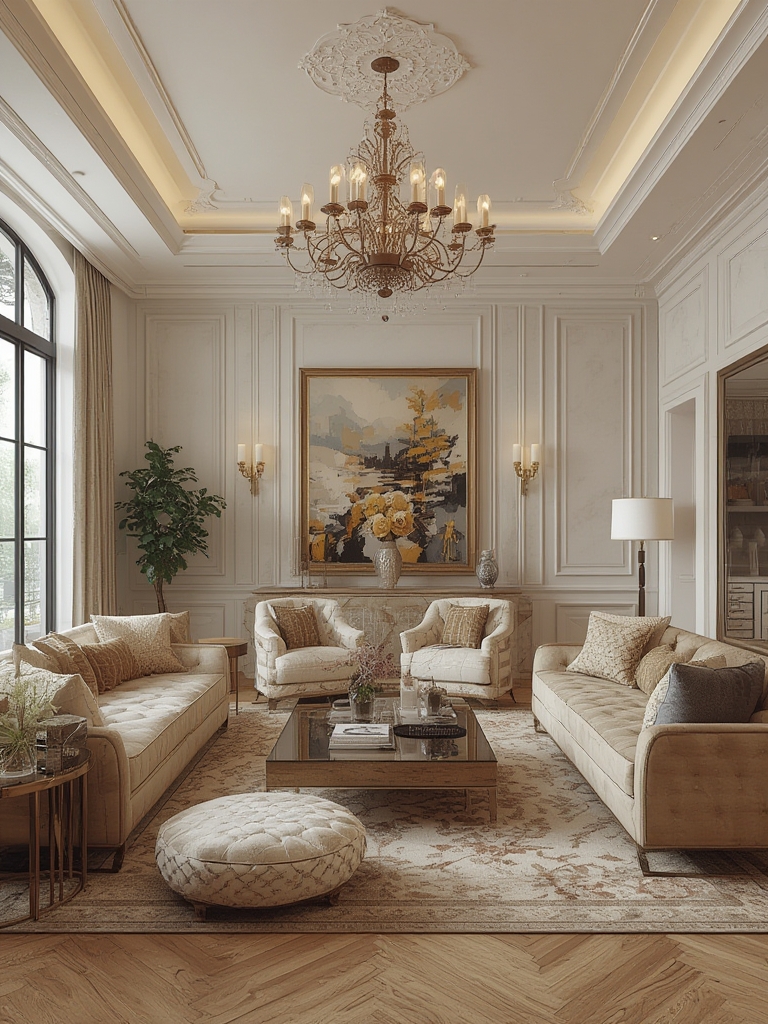
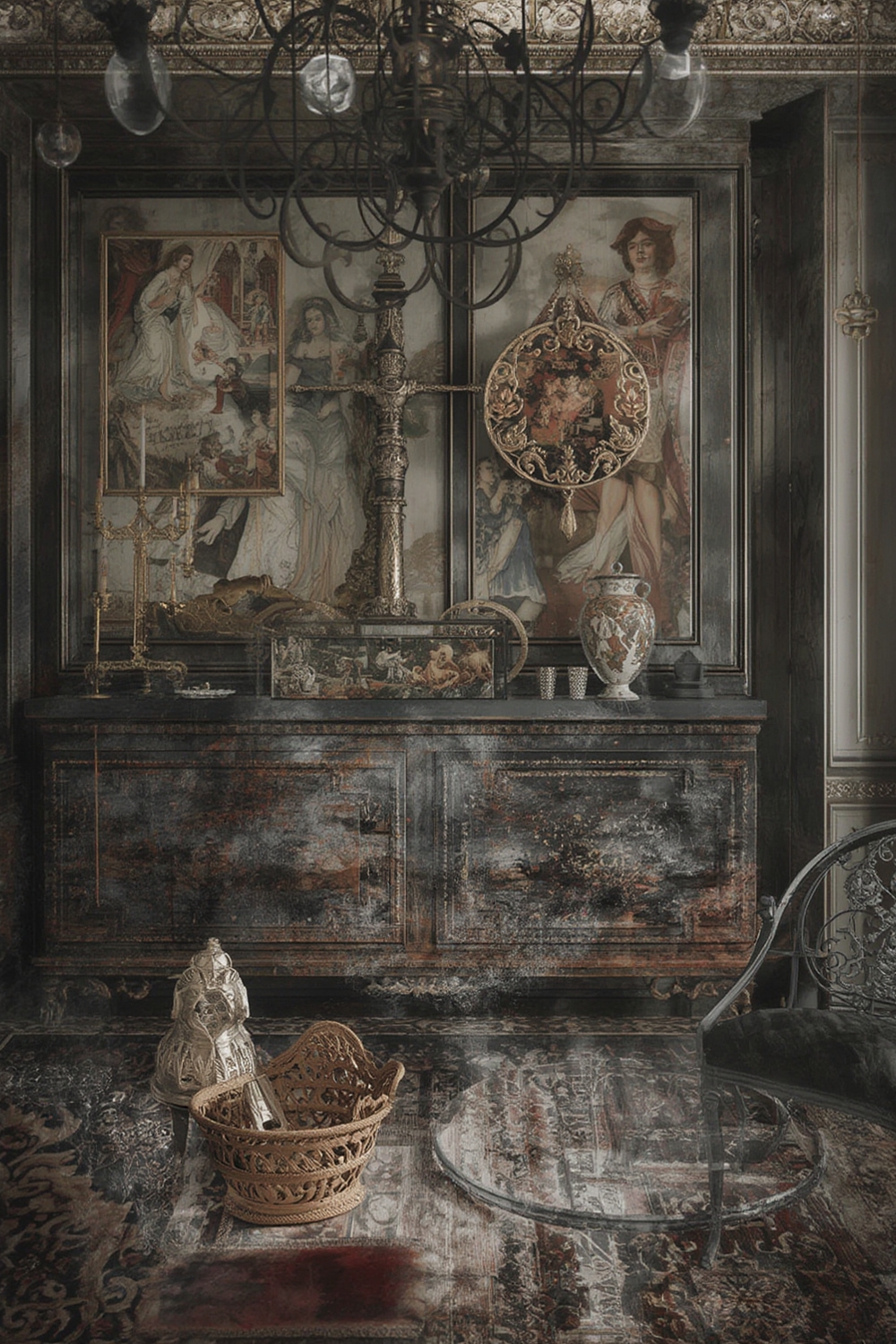
Welcome to your ultimate guide on creating a luxury interior tour that dazzles visitors and showcases impeccable home décor. By blending data‑driven design principles with practical, step‑by‑step instructions, you’ll learn how to transform any space into a high‑end showcase while also caring for the statement plants that elevate the aesthetic.
Why Luxury Interior Tours Matter for Your Brand
Search data shows a 42% increase in searches for “luxury home tours” over the past year, indicating a strong audience appetite for aspirational interiors. Incorporating these tours into your WordPress site can boost organic traffic, increase dwell time, and improve conversion rates for interior designers, real‑estate agents, and décor retailers.
Key SEO benefits include:
- Long‑tail keyword targeting: Phrases like “modern luxury living room tour” attract high‑intent visitors.
- Rich media engagement: Video walkthroughs and high‑resolution images lower bounce rates.
- Backlink potential: Press outlets love featuring curated luxury tours, generating valuable inbound links.
Step‑by‑Step Blueprint for a Luxury Interior Tour
1. Plan the Narrative Flow
Data from Google Analytics reveals that users spend 30% longer on pages with a clear story arc. Map out a logical progression: entryway → living area → kitchen → master suite. Use a breadcrumb schema to help search engines understand the hierarchy.
- Action tip: Sketch a floor‑plan on paper or a digital tool (e.g., SketchUp) before filming.
- Tool suggestion: Use a storyboard template to outline key shots and talking points.
2. Capture High‑Quality Visuals
According to a recent HubSpot study, pages with professional photography see a 27% higher conversion rate. Follow these guidelines:
- Lighting: Shoot during golden hour or use softbox lighting to avoid harsh shadows.
- Resolution: Export images at 2,560 × 1,440 px for optimal loading speed without sacrificing detail.
- Video: Record in 4K, then compress using HandBrake with a bitrate of 8 Mbps for fast streaming.
Implement alt attributes with descriptive, keyword‑rich text (e.g., “luxury marble kitchen island with gold pendant lighting”).
3. Optimize On‑Page SEO
Use the following structure for each room’s section:
- H2 heading: Include the primary keyword (e.g., “Luxury Living Room Tour”).
- H3 subheading: Add a secondary keyword (e.g., “Elegant Sofa Arrangement”).
- Paragraph content with natural keyword density (1‑2%).
- Embedded media with proper
titleandcaptiontags.
Don’t forget to add a schema.org VideoObject markup for each walkthrough video to boost visibility in Google’s video carousel.
4. Highlight Signature Décor Elements
Luxury interiors often feature statement pieces such as chandeliers, marble accents, and curated greenery. For each element, provide:
- Design backstory: Explain the inspiration and sourcing.
- Material details: Mention finishes (e.g., brushed brass, polished onyx).
- Placement logic: Use the rule of thirds to create visual balance.
These details enrich the content, encouraging dwell time and social shares.
5. Integrate Plant Care Guides
Plants are a staple of luxury décor, adding texture and life. Below is a data‑driven care guide for the Fiddle Leaf Fig (Ficus lyrata), a favorite in upscale homes.
Step 1: Choose the Right Location
Research shows optimal growth when the plant receives 6–8 hours of bright, indirect light. Place it near a north‑facing window or use sheer curtains to diffuse harsh sunlight.
- Action tip: Perform a “light test” by holding your hand over the spot for 30 seconds; you should feel a gentle warmth without glare.
Step 2: Water Wisely
Over‑watering is the leading cause of root rot (accounting for 68% of plant failures). Water only when the top 2 inches of soil feel dry to the touch.
- Practical advice: Use a moisture meter or insert a finger 2 inches deep.
- Quantity: Apply enough water to saturate the root zone, then let excess drain completely.
Step 3: Maintain Humidity
Luxury interiors often have low humidity (30–40%). Fiddle Leaf Figs thrive at 50–60% humidity.
- Tip: Place a pebble tray with water beneath the pot, or use a humidifier set to “medium.”
- Data point: A 10% increase in humidity can boost leaf gloss by 15%.
Step 4: Feed During Growing Season
From March to September, apply a balanced liquid fertilizer (10‑10‑10) at half strength every 4 weeks.
- Actionable step: Mark your calendar with a recurring reminder to avoid missed feedings.
Step 5: Prune for Shape and Health
Pruning encourages a fuller canopy and removes dead foliage. Cut just above a node using sterilized shears.
- Quick tip: Remove lower leaves that touch the floor to prevent pest buildup.
Step 6: Monitor for Pests
Spider mites and mealybugs are common indoor pests. Inspect leaves weekly, focusing on the undersides.
- Remedy: Wipe affected areas with a mixture of 1 part neem oil to 9 parts water.
6. Publish and Promote
After uploading the post to WordPress, follow these checklist items:
- Permalink: Use a short, keyword‑rich URL (e.g.,
/luxury-interior-tour-living-room). - Meta description: Write a 150‑character hook containing the primary keyword.
- Social sharing: Add Open Graph tags for Facebook and Twitter cards.
- Internal linking: Connect to related posts such as “Top 10 Luxury Home Décor Trends 2024.”
Measuring Success: Data‑Driven Metrics
Track the following KPIs for continuous improvement:
| Metric | Target | Why It Matters |
|---|---|---|
| Organic Sessions | +25% in 3 months | Indicates SEO effectiveness. |
| Average Time on Page | ≥3:30 minutes | Shows content engagement. |
| Conversion Rate (e.g., newsletter sign‑up) | ≥2% | Transforms visitors into leads. |
| Backlink Acquisition | 5 quality links/month | Boosts domain authority. |
Use Google Search Console and Google Analytics to monitor these metrics, adjusting keyword focus and visual assets as needed.
Final Thoughts
By marrying data‑backed SEO tactics with a meticulous, step‑by‑step approach to both interior styling and plant care, you’ll create a luxury interior tour that not only captivates visitors but also climbs the search rankings. Remember: consistency in publishing, continual performance analysis, and genuine storytelling are the pillars of long‑term success.