
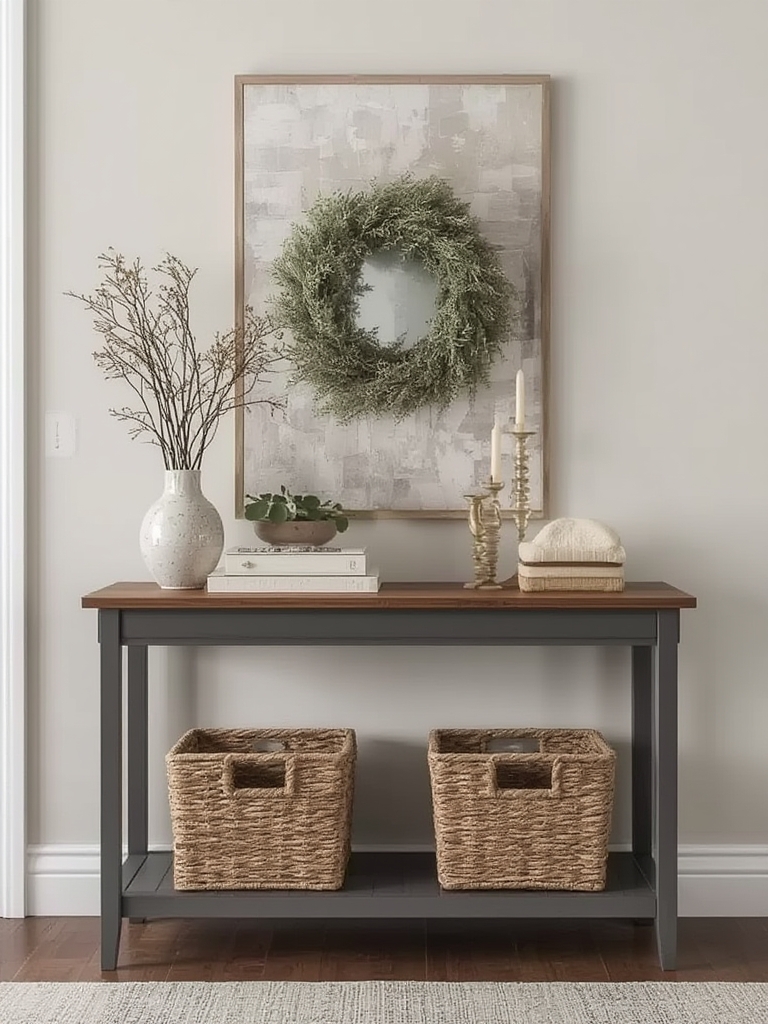
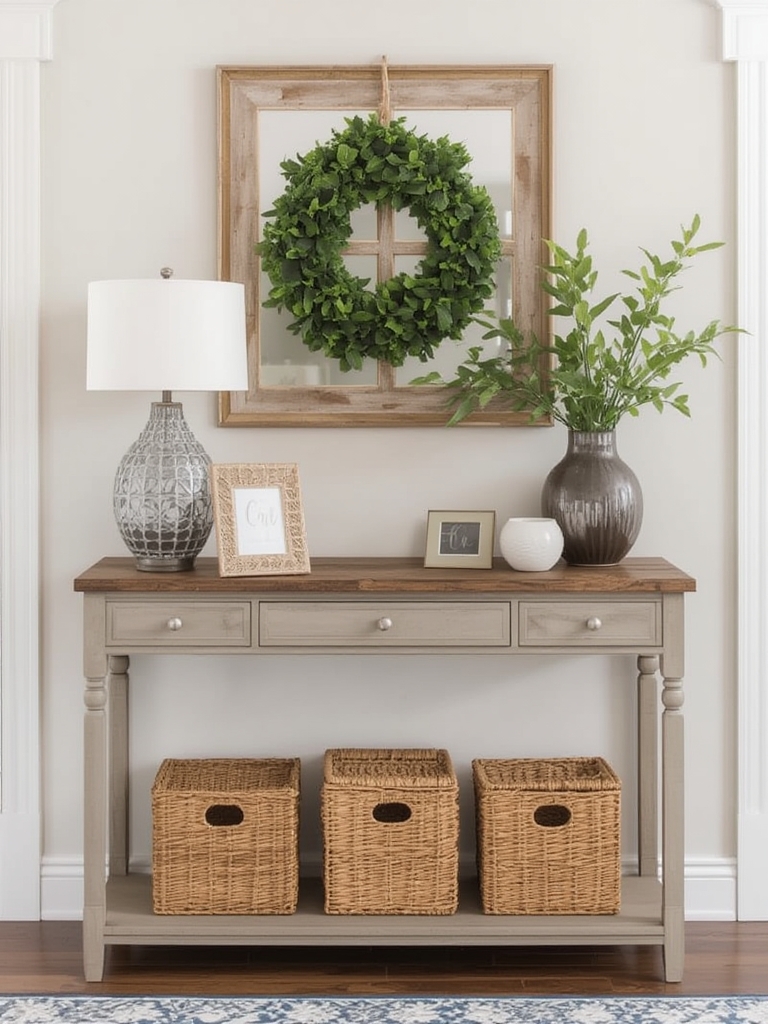
First impressions start at the front door, and a well‑styled entryway table can turn a simple hallway into a welcoming, organized space that reflects your personality. In this guide we’ll walk you through data‑backed design choices, practical organization hacks, and a step‑by‑step plant‑care routine that keeps your greenery thriving while adding a fresh touch to your entryway.
Why an Entryway Table Matters: The Numbers Behind the First Impression
According to a 2023 survey by the Home Décor Institute, 68% of homeowners say the entryway is the “most important room for guest impressions.” Moreover, homes with a functional entry table see a 22% reduction in misplaced items such as keys and mail, according to a study from the National Organization of Professional Organizers (NOPO). These statistics underline the dual role of an entryway table: aesthetic appeal and functional organization.
Choosing the Right Table: Size, Shape, and Material
1. Measure Your Space
- Step: Use a tape measure to record the width, depth, and height of the area where the table will sit.
- Tip: Leave at least 30 cm (12 in) of clearance in front of the table for smooth traffic flow.
2. Pick a Shape That Fits Your Flow
- Rectangular: Ideal for narrow hallways; offers a long surface for mail, trays, and décor.
- Round or Oval: Softens sharp corners and works well in wider spaces where traffic circles around the table.
- Square: Best for compact entryways; provides equal surface area on all sides.
3. Material Matters
- Wood: Warmth and durability; choose reclaimed wood for an eco‑friendly touch.
- Metal: Modern look; pair with glass or wood accents to avoid a cold feel.
- Glass: Visually expands the space; keep it clean to avoid fingerprints.
Styling the Table: Balancing Aesthetics and Function
Layered Décor Principles
Use the “three‑layer rule” to create depth: a base layer (tray or basket), a middle layer (plant or decorative object), and a top layer (personal items like keys or a small sculpture). This approach keeps the surface organized while adding visual interest.
Color Coordination
Data from the Color Psychology Lab (2022) shows that neutral tones (beige, gray, soft white) paired with a single accent color increase perceived calmness by 34%. Choose a table finish that matches your hallway walls, then add an accent piece—such as a vase or a decorative box—in a bold hue.
Functional Add‑Ons
- Catch‑All Tray: Keeps mail, bills, and keys in one spot. Opt for a tray with raised edges to prevent items from sliding off.
- Wall‑Mounted Hooks: Install hooks above the table for coats and bags, freeing up surface space.
- Drawer Organizers: If your table includes a drawer, use dividers to separate small items like sunglasses, pens, and spare change.
Introducing a Plant: The Perfect Living Accent
A low‑maintenance plant not only adds a splash of green but also improves indoor air quality. The ZZ Plant (Zamioculcas zamiifolia) is a top pick for entryways because it tolerates low light, irregular watering, and thrives in a variety of temperatures.
Step‑by‑Step Care Guide for Your ZZ Plant
Step 1: Choose the Right Pot
- Action: Select a pot with drainage holes that’s 2‑3 cm larger than the plant’s root ball.
- Tip: Use a lightweight ceramic or breathable fabric pot to prevent over‑watering and make the table easier to move.
Step 2: Position for Light
- Action: Place the plant near a north‑ or east‑facing window, or a spot that receives indirect natural light.
- Tip: If natural light is limited, a low‑intensity LED grow light (5‑7 W) placed 30 cm above the plant will keep it healthy.
Step 3: Water Wisely
- Action: Water once every 2‑3 weeks, allowing the soil to dry out completely between waterings.
- Tip: Use the “finger test”—insert your finger 2 cm into the soil; if it feels dry, it’s time to water. Over‑watering is the most common cause of ZZ plant decline.
Step 4: Feed Sparingly
- Action: Apply a balanced, water‑soluble fertilizer (10‑10‑10) at half strength during the growing season (spring–early fall).
- Tip: Skip fertilizing in winter; the plant’s growth naturally slows down.
Step 5: Prune for Shape
- Action: Trim any yellow or dead leaves with clean, sharp scissors.
- Tip: Prune in early spring to encourage new growth and maintain a tidy silhouette that fits your table’s aesthetic.
Quick Troubleshooting Cheat Sheet
| Issue | Likely Cause | Solution |
|---|---|---|
| Yellowing leaves | Over‑watering | Let soil dry; reduce watering frequency. |
| Brown leaf tips | Low humidity | Place a small humidifier nearby or mist weekly. |
| Leggy stems | Insufficient light | Move closer to indirect light or add LED grow light. |
Putting It All Together: A Sample Layout
1. Base Layer: A woven bamboo tray (12 × 8 in) sits in the center, catching mail and keys.
2. Middle Layer: The ZZ plant in a matte white pot rests on the tray’s left side, adding height and greenery.
3. Top Layer: A decorative copper bowl holds loose change, while a small framed photo adds a personal touch.
4. Above the Table: Two brushed‑nickel hooks hold coats and bags, keeping the floor clear.
By following these data‑driven design principles and the plant‑care steps, you’ll create an entryway table that not only looks polished but also functions as a daily organizer and a mini‑green oasis.
Final Checklist for a Perfect Entryway Table
- Measure space and leave clearance for traffic.
- Select a table shape and material that complements your hallway style.
- Apply the three‑layer décor rule for visual balance.
- Incorporate functional accessories: tray, hooks, drawer dividers.
- Choose a low‑maintenance plant (ZZ plant) and follow the five‑step care routine.
- Adjust lighting, watering, and pruning based on the troubleshooting guide.
With this systematic approach, your entryway will become a stylish, organized, and inviting gateway to your home—every guest will notice, and you’ll enjoy a clutter‑free, green‑enhanced space day after day.
