
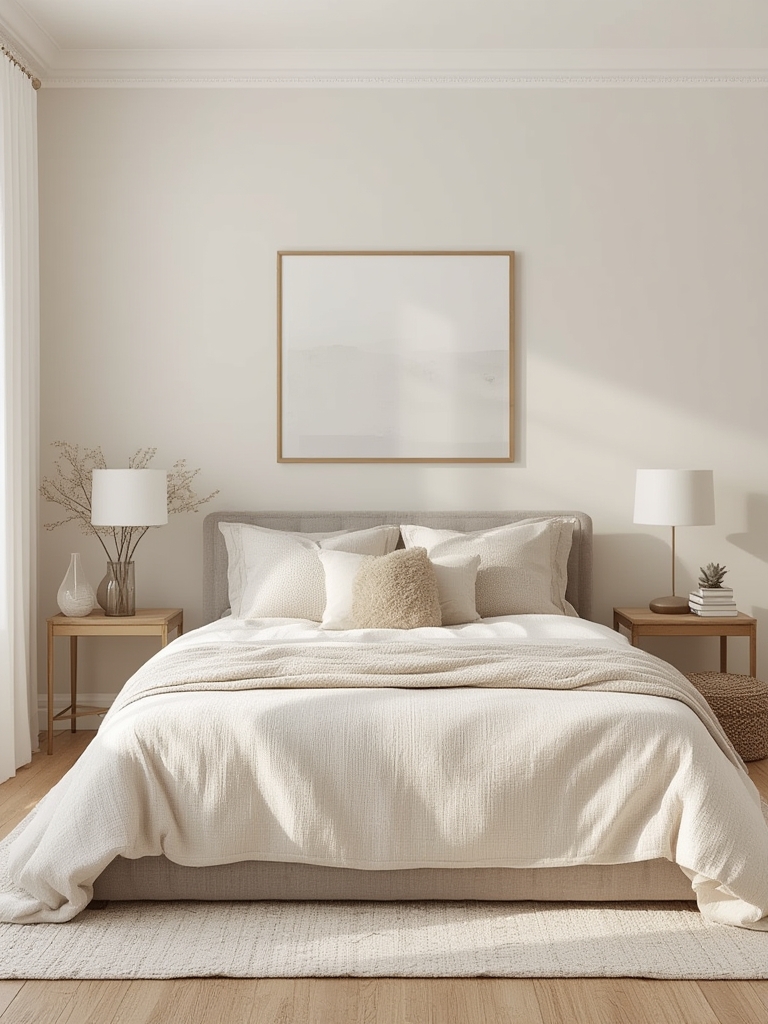
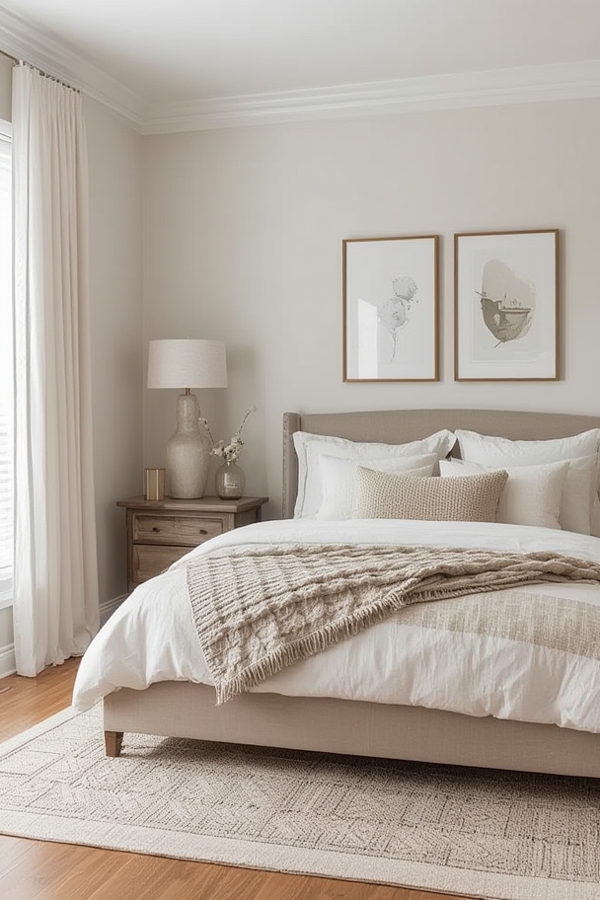
Creating a serene, neutral bedroom is more than just picking a light paint color—it’s about curating a calm environment that promotes rest, showcases personal style, and stays timeless. By blending subtle hues, layered textures, and a touch of greenery, you can transform any space into a soothing sanctuary that appeals to both the eye and the senses. Below is a data‑driven, step‑by‑step guide that walks you through the entire design process, from choosing the perfect palette to caring for the ideal bedroom plant, ensuring every detail works together for maximum impact.
Why Choose a Neutral Palette for Your Bedroom
Benefits for Sleep and Mood
Research from the Sleep Foundation shows that cool, muted colors such as soft greys, warm beiges, and gentle taupes reduce cortisol levels, helping the brain transition into sleep mode faster. Neutral tones also minimize visual clutter, allowing the mind to relax without the overstimulation that bright or highly saturated colors can cause.
Versatility and Timelessness
Neutral palettes act as a blank canvas that adapts to changing trends. According to a 2023 Houzz survey, 68% of homeowners who chose neutral colors reported they could easily update accessories (like pillows or artwork) without a full redesign. This flexibility saves money and keeps your bedroom feeling fresh year after year.
Core Colors and Shades to Consider
Warm Neutrals
- Soft Beige (e.g., #F5E8D7) – Adds warmth without overwhelming the space.
- Warm Greige (e.g., #D8C3A5) – A blend of grey and beige that works well with both cool and warm accents.
- Dusty Rose (e.g., #C8A2A8) – A subtle pinkish hue that introduces a gentle pop while staying neutral.
Cool Neutrals
- Pale Slate (e.g., #C0C4C7) – Provides a calming, modern feel.
- Muted Sage (e.g., #B4C1A9) – A soft green that pairs beautifully with natural wood.
- Cool Ivory (e.g., #F0F0F0) – Brightens the room while maintaining a neutral vibe.
Step‑by‑Step Guide to Designing a Neutral Bedroom
Step 1: Assess Light and Space
Measure natural light exposure using a light meter or a smartphone app. In rooms with abundant daylight, opt for cooler neutrals to balance brightness. For darker spaces, choose warm neutrals to reflect any available light and create a cozier atmosphere.
Step 2: Choose a Base Color
Pick one neutral as your primary wall color. Use the 60‑30‑10 rule: 60% of the room (walls, large furniture) in the base shade, 30% in a complementary neutral, and 10% in an accent color or texture. This ratio ensures harmony without monotony.
Step 3: Layer Textures and Accents
Introduce tactile interest with linen bedding, a woven rug, and a velvet throw. Mix matte finishes (e.g., matte ceramic lamps) with subtle sheen (e.g., satin pillowcases) to add depth. Each texture should echo the chosen palette, reinforcing the cohesive look.
Step 4: Introduce Natural Elements
Incorporate wood tones—think a light oak nightstand or a reclaimed pine headboard. Natural materials ground the neutral scheme and add warmth. Keep the wood finish light to maintain the airy feel.
Step 5: Add Greenery for Freshness
A well‑chosen plant not only purifies the air but also provides a gentle contrast to neutral tones. Choose low‑maintenance varieties that thrive in low‑light conditions, such as the Snake Plant (Sansevieria) or ZZ Plant (Zamioculcas zamiifolia). Position the plant where it can become a focal point without blocking natural light.
Plant Care: Growing the Ideal Bedroom Plant (Snake Plant)
Step 1: Selecting the Right Pot and Soil
Use a terracotta or ceramic pot with drainage holes to prevent water buildup. Fill with a cactus‑mix soil (equal parts potting soil, sand, and perlite). This well‑draining mix mimics the plant’s native arid environment and reduces root rot risk.
Step 2: Positioning for Light
Snake plants tolerate low light but thrive in indirect bright light. Place near a north‑facing window or a few feet from a south‑facing window with a sheer curtain. Avoid direct midday sun, which can scorch the leaves.
Step 3: Watering Schedule
Water only when the top 2 inches of soil feel dry—typically every 3‑4 weeks in winter and every 2‑3 weeks in summer. Use the “soak and dry” method: water thoroughly until it drains, then let the soil dry completely before the next watering.
Step 4: Feeding and Maintenance
Apply a balanced, diluted liquid fertilizer (10‑10‑10) once during the growing season (spring‑early fall). Prune any yellowed or damaged leaves at the base with clean scissors to encourage new growth and maintain a tidy appearance.
Step 5: Managing Common Issues
- Yellow Leaves: Usually a sign of overwatering—reduce frequency and ensure proper drainage.
- Brown Leaf Tips: Indicates low humidity; mist the leaves lightly or place a small humidifier nearby.
- Pests: Spot mealybugs or spider mites early; treat with neem oil spray every 7‑10 days until cleared.
SEO Tips for Your Bedroom Decor Blog Post
Keyword Placement
Target primary keywords such as “neutral bedroom decor,” “neutral bedroom color palette,” and “bedroom plant care.” Include them naturally in the first 100 words, in at least one H2 heading, and sprinkled throughout the body. Use LSI (Latent Semantic Indexing) terms like “calming bedroom colors” and “low‑maintenance indoor plants.”
Internal and External Links
Link to related posts on your site (e.g., “Top 5 Bedroom Color Trends 2024”) using descriptive anchor text. Add a few authoritative external links to sources like the Sleep Foundation or Houzz for credibility. Aim for a total of 3‑5 internal and 2‑3 external links.
Optimizing Images
Compress each image to under 150 KB using tools like TinyPNG. Add descriptive alt text that includes target keywords (e.g., “soft beige bedroom walls with linen bedding”). Use a descriptive file name such as “neutral-bedroom-decor-palette.jpg.”
Quick Checklist for a Perfect Neutral Bedroom
- ✔ Measure natural light and choose cool or warm neutrals accordingly.
- ✔ Apply the 60‑30‑10 color rule for balanced visual weight.
- ✔ Layer at least three different textures (linen, wood, woven).
- ✔ Add a low‑maintenance plant (Snake Plant) and follow the care steps.
- ✔ Optimize the post for SEO: keywords, links, and image alt text.
- ✔ Review readability—use short paragraphs, bullet points, and subheadings.
By following this data‑driven roadmap, you’ll create a bedroom that feels effortlessly elegant, promotes restful sleep, and stays fresh with minimal upkeep. The combination of a thoughtfully curated neutral palette and a thriving indoor plant ensures a harmonious space that both you and search engines will love.
