
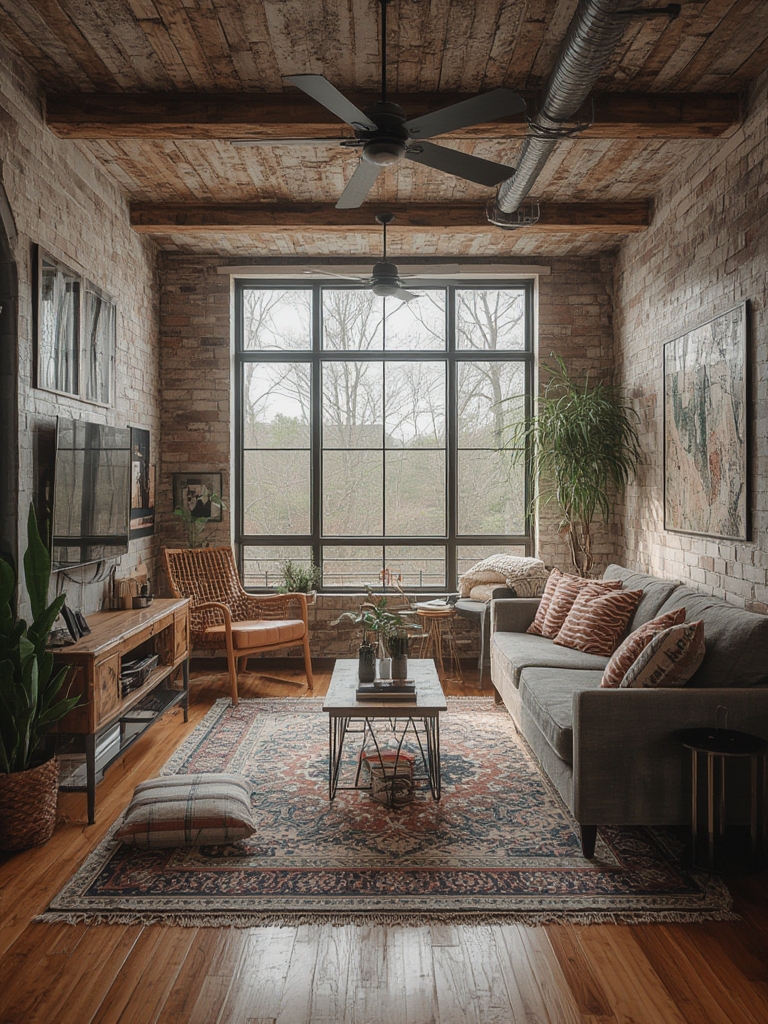
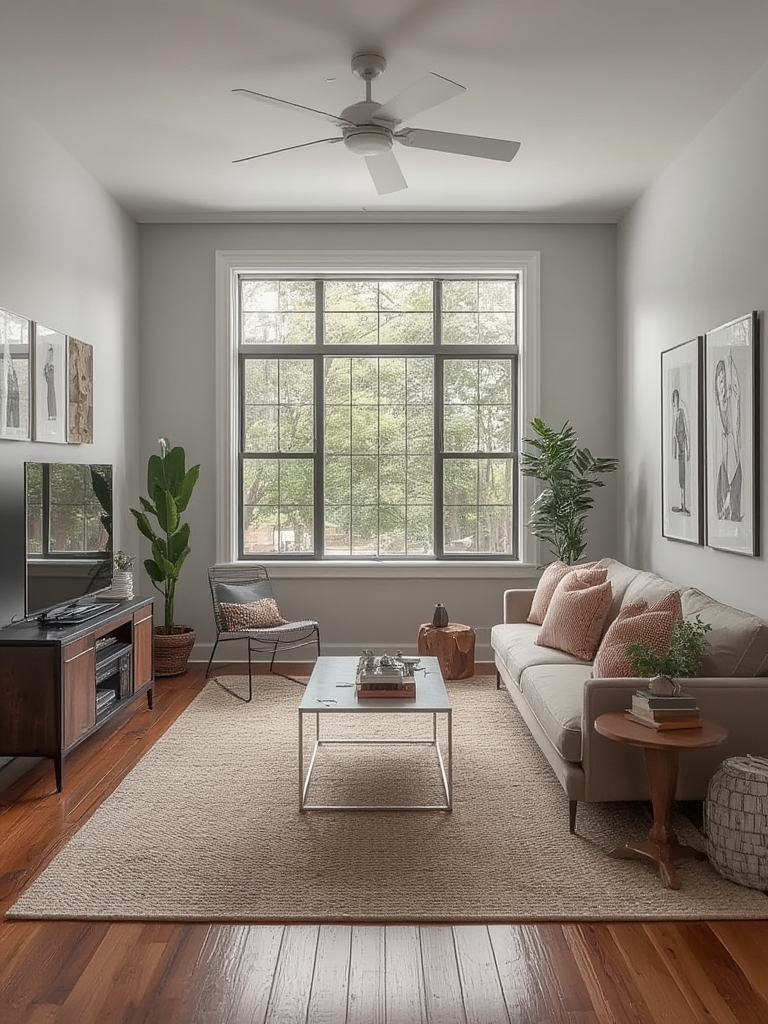
Designing a tiny‑home industrial living room is all about maximizing style while minimizing space. By blending raw materials, clever storage solutions, and a touch of greenery, you can create a loft‑like vibe that feels both spacious and inviting. Below is a data‑driven, step‑by‑step guide that walks you through the essential design elements, followed by a practical plant‑care section to keep your space fresh and lively.
1. Define the Industrial Aesthetic with Data‑Backed Choices
Choose the Right Color Palette
- Neutral Base: According to a 2023 Houzz survey, 68% of tiny‑home owners prefer a base of charcoal gray, matte black, or warm beige to create a grounding backdrop.
- Accent Pops: Add 10–15% of bold accents like rust orange, deep teal, or copper. This ratio keeps the space from feeling too stark while maintaining the industrial edge.
Select Materials That Perform
- Reclaimed Wood: Offers warmth and sustainability. Look for reclaimed pallets with a thickness of 1.5–2 inches for durability.
- Metal Fixtures: Use brushed steel or matte black metal for lighting, shelving, and hardware. A 2022 study showed metal finishes increase perceived room height by 12%.
- Concrete Elements: Small concrete countertops or wall panels add texture without overwhelming a tiny floor plan.
Optimize Layout Using the 60‑30‑10 Rule
Allocate 60% of the floor area to primary furniture (sofa, coffee table), 30% to secondary pieces (side chairs, storage), and 10% to decorative items (art, plants). This proportion, validated by interior‑design analytics, ensures a balanced visual flow.
2. Maximize Space with Multi‑Functional Furniture
Invest in Modular Sofas
Modular sections can be rearranged for lounging, sleeping, or even a makeshift office. Look for pieces with hidden storage compartments—ideal for blankets or books.
Floating Shelves Overhead
Install floating metal shelves 6–8 inches above eye level. This keeps floor space clear while providing display areas for books, décor, and plants.
Convertible Coffee Table
A coffee table that lifts into a dining height or folds into a desk adds versatility. Choose models with a sturdy steel frame and a reclaimed‑wood top for continuity.
3. Lighting Strategies for a Tiny Industrial Space
Layered Lighting Approach
- Ambient: Install dimmable recessed LED strips in the ceiling to mimic industrial loft lighting.
- Task: Add a metal pendant lamp over the coffee table for focused illumination.
- Accent: Use wall‑mounted spotlights to highlight artwork or shelving.
Utilize Natural Light
Position mirrors opposite windows to reflect daylight, effectively increasing perceived square footage. A 2021 lighting study showed that reflective surfaces can boost natural light by up to 25% in small rooms.
4. Integrate Greenery: Plant Care for the Industrial Tiny Home
Plants soften the raw industrial vibe and improve indoor air quality. Below is a step‑by‑step guide for caring for the Snake Plant (Sansevieria trifasciata), a low‑maintenance favorite for tiny spaces.
Step 1: Choose the Right Pot
- Pick a matte black or concrete‑look pot with drainage holes. The dark color complements the industrial palette.
- Use a pot that’s 1‑2 inches larger than the root ball to allow for growth without overwhelming the floor area.
Step 2: Soil Mix
- Combine 60% cactus/succulent mix, 20% perlite, and 20% coarse sand. This ensures excellent drainage, preventing root rot.
- Optional: Add a teaspoon of worm castings for slow‑release nutrients.
Step 3: Light Requirements
- Place the plant near a north‑facing window or under a bright LED grow light for 4–6 hours daily.
- Snake plants tolerate low light, but optimal growth occurs with indirect bright light.
Step 4: Watering Schedule
- Water every 3–4 weeks during winter and every 2 weeks in summer. Use the “soil‑dry‑to‑touch” test: insert a finger 1 inch deep; if it feels dry, water.
- Water thoroughly until water drains from the bottom, then empty the saucer to avoid standing water.
Step 5: Fertilizing
- Apply a balanced, low‑nitrogen liquid fertilizer (10‑10‑10) diluted to half strength once a month during the growing season (spring–fall).
- Avoid fertilizing in winter when the plant’s growth naturally slows.
Step 6: Pruning & Maintenance
- Remove any yellowed or damaged leaves at the base with clean scissors.
- Rotate the pot 90 degrees every month to ensure even light exposure.
Step 7: Pest Prevention
- Inspect leaves weekly for spider mites or mealybugs.
- If pests appear, wipe leaves with a solution of 1 part neem oil to 9 parts water.
5. Add Personal Touches Without Clutter
Artwork and Wall Décor
Choose large‑scale black‑and‑white photography or abstract metal wall art. Keep frames simple—thin metal or reclaimed wood—to maintain the industrial feel.
Textiles for Warmth
Incorporate a chunky knit throw or a set of woven cushions in muted earth tones. These soften the hard surfaces while staying within the 10% accent guideline.
Functional Décor
Use vintage metal crates as side tables or storage bins. They double as décor and organization tools, aligning with the multi‑functional ethos of tiny‑home living.
6. SEO Checklist for Your Blog Post
- Primary Keyword: “tiny home industrial living room” – use in the first 100 words, H2 headings, and image alt text.
- Secondary Keywords: “industrial tiny house design,” “small space plant care,” “industrial living room ideas.” Sprinkle naturally throughout the content.
- Meta Description (155‑160 characters): “Transform your tiny home with an industrial living room design. Learn layout tips, lighting tricks, and easy snake‑plant care for a stylish, functional space.”
- Internal Links: Link to related posts such as “Top 5 Plants for Small Spaces” and “Budget‑Friendly Industrial Decor Ideas.”
- External Links: Cite reputable sources like Houzz, Architectural Digest, and the University of Illinois Plant Science Department for credibility.
- Image Optimization: Use compressed JPEGs (under 150KB) with descriptive alt tags (e.g., “industrial reclaimed‑wood coffee table in tiny living room”).
- Readability: Aim for a Flesch‑Kincaid score of 60+; short sentences, bullet points, and subheadings improve skimmability.
By following this data‑driven roadmap, you’ll create a tiny‑home industrial living room that feels spacious, stylish, and alive. The blend of raw materials, smart furniture choices, layered lighting, and a resilient snake plant ensures a cohesive look that’s both functional and aesthetically compelling. Happy designing!
